



Leadership Development

Letendre & Associates: Your Excellence Advantage: Building Organizations That Excel, Year After Year
Letendre & Associates
Letendre & Associates: Your Excellence Advantage: Building Organizations That Excel, Year After Year
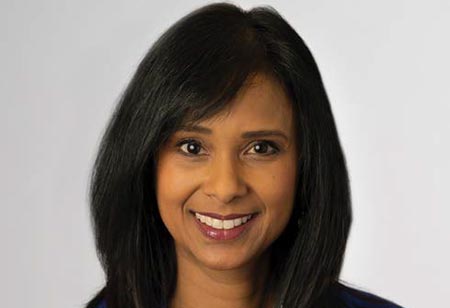
Kathy Letendre, President
What separates organizations that talk about excellence from those that actually live it? According to Kathy Letendre, it comes down to one thing: the willingness of leaders to define what excellence truly means for them—and then do the hard, disciplined work of turning that vision into reality.

Kathy Letendre is the founder and president of Letendre & Associates, a consulting firm built around a simple but powerful idea: that every organization has the capacity to create what she calls its excellence advantage—a distinct edge that emerges when leadership, strategy, and execution align around a shared, deeply owned definition of what it means to be great.

“My best clients are humble leaders with ambitious visions for their organizations. They understand they don’t have all the answers, and they want to involve their teams and community partners in achieving their vision,” says Kathy.

Those clients are typically CEOs and senior executives in healthcare and human services organizations—leaders operating in complex, resource-constrained environments where the stakes are not quarterly earnings, but the wellbeing of the communities they serve. For them, organizational excellence is not a luxury. It is an imperative.

Three Pillars, One Purpose

Letendre & Associates organizes its work around three interconnected disciplines: Leadership Excellence, Organizational Excellence, and Performance Excellence. Together, these form the architecture of a firm that doesn’t just consult—it transforms.

Their engagements begin where most consulting firms stop: with a deep, honest assessment of where an organization actually stands. Through environmental scanning, ‘progress to plan’ evaluations, and strategic performance reviews, Letendre and her team build a clear picture of the gap between where an organization is and where it wants to go.

From there, the work often moves into strategic planning— but not the kind that produces a beautifully bound document that sits on a shelf. Letendre’s approach is built from the beginning around strategic execution: helping executive teams define their strategic direction clearly, develop the specific means to get there, and then equip their teams to deliver that direction year over year over year. That sustained, disciplined cadence is what separates organizations that improve incrementally from those that transform entirely.

“We’re all about helping organizations achieve the results that matter most to them, in line with the vision that they’ve set,” adds Kathy.
Future Achievement International<sup>®</sup>: Improving Employee Engagement, Performance, Team Effectiveness, Operational Efficiency, and Bottom-Line Results.
Future Achievement International®
Future Achievement International®: Improving Employee Engagement, Performance, Team Effectiveness, Operational Efficiency, and Bottom-Line Results.
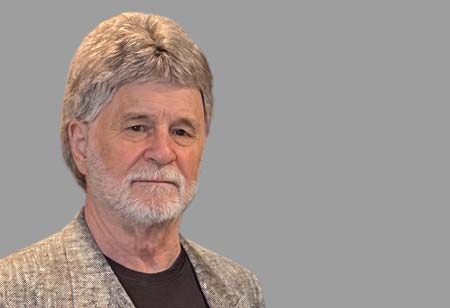
Doug Tucker, President, CEO and Co-Founder
Since 1996 the leadership team at Future Achievement International has researched, developed, and brought to market several Character-Based Human Capital Solutions. Their proprietary educational programs, products, and services have been delivered in over 50 countries worldwide and have impacted a variety of for-profit and nonprofit organizations, select military branches, and government agencies.

Today’s Workforce Reality

Organizational cultures today are filled with people that are impacting their culture, talent acquisition, employee development, and employee retention strategic initiatives in a positive or negative way. For the past several decades employees have been hired and promoted based on their education, job skills, and work experience. Although each of these qualifications are important, many organizational leaders are beginning to realize that an employee’s Character and Behavior are just as important, if not even more so.


GAINING ‘INTERNAL CONTROL’ OVER MULTIPLE WORKFORCE CHALLENGES


The most frustrating, persistent, and costly challenges within organizations today originate from within and have one thing in common… PEOPLE. Successful organizations today realize they must continue to hire, develop, and retain quality employees committed to their vision, mission, and purpose. Organizational leaders are also beginning to realize that their employees have a variety of personal and professional challenges that they are bringing into the workplace each day. These various ‘challenges’ are impacting their levels of employee engagement, performance, team effectiveness, operational efficiency, and bottom-line results.


→ WORKFORCE AWAKENING: Research shows that many organizations are challenged daily by the three workgroups above, and that many of the challenges are Character and Behavior related. Employers today must ‘rethink and reshape’ their employee development strategies and processes that will benefit not only the three workgroups pictured above, but also other workgroups throughout all levels of the organization.

Technical skills may qualify employees for a role, but their ‘Character and Behavior’ determine how effectively they perform, lead, and contribute to the success of an organization


→ WORKFORCE GAMECHANGER: Organizations today need to be introduced to a formal strategy that can be adopted, integrated, and delivered by internal leadership team members that focuses on Maximizing Employee Engagement.

A Few Characteristics of a Disengaged Workforce are:

Alignment with Organizational Core Values

Ongoing Character and Behavior Challenges

Employees that Resent Authority

Trust, Respect, and Employee Conflict Challenges

Negative Attitudes

Frequent Complainers and Gossipers

Denying Responsibility, Always Making Excuses, and Blaming Others


Workforce Transformation

Through Character-Based Human Capital Solutions
CEO MEDIA COACH: The Communication Strategists Driving Enterprise Value
CEO MEDIA COACH
CEO MEDIA COACH: The Communication Strategists Driving Enterprise Value
Donatella Giacometti, President and Chief Communications Strategist
Why does executive communication influence enterprise value?

Every organization has moments when a leader’s voice carries the weight of the entire enterprise. Be it a critical investor call, a high-stakes town hall, an unexpected media request or a board-level review, executive communication becomes more than a leadership skill. It can influence the company’s trajectory.

CEO MEDIA COACH focuses on C-suite messaging that directly impacts business outcomes. Founded and led by Donatella Giacometti, President and Chief Communications Strategist, the firm works exclusively with CEOs, CFOs, CHROs, COOs and other senior officers who come from a wide range of industries and backgrounds. They are often stepping into new roles, preparing for IPOs, managing mergers and acquisitions or spearheading the portfolio companies of private equity firms. Sometimes, the stakes are so high that the leadership is evaluating whether an executive should be retained or replaced.

When the demands of executive performance become inseparable from business performance, CEO MEDIA COACH’s leadership advisory works with C-suite officers to prepare, rehearse, and deliver messages that resonate with key stakeholders. A defining element of this approach is its unique selling proposition: tying executive performance directly to monetizing the message. Every engagement is structured around financial accountability, ensuring that media presence, board interactions, and investor dialogue translate into quantifiable and measurable business outcomes.

“Our work is about mission-critical, evidence-based messaging,” says Giacometti. “Today’s leaders are the face of their company, the voice of their brand. What they say and how they say it directly impacts their business.”

Giacometti holds a master’s degree in investor relations, enabling productive engagement with senior leadership teams through a shared understanding of what drives organizational success. Her multidisciplinary team includes professionals with Wall Street experience, an advantage that ensures a firm grasp of the financial structures that underpin a client’s business. The result is clear, concise and credible corporate narratives aligned with financial realities.

Guiding Leaders through Defining Moments

How are executives prepared for high-stakes stakeholder moments?

CEO MEDIA COACH’s clients typically arrive through referrals from private equity firms, board directors and HR leaders. That referral pathway signals trust, and often comes with a sense of urgency due to a business inflection point. Whether an earnings call, a town hall, a fireside chat, a roadshow or an offsite retreat, the measure of success is defined upfront and tied to specific real-world events.

Each engagement begins by evaluating performance reviews, 360 assessments and internal feedback to establish a clear picture of how the executive is currently perceived. Through confidentiality and objectivity, CEO MEDIA COACH, as an external advisor, creates space for open, candid dialogue without internal consequences. This allows leaders to see themselves through the eyes of outside audiences and better understand how their message lands.

The work becomes highly focused and customized as it moves into targeted story development, rehearsal, message clarity and delivery under pressure. A word bank is created, providing a glossary of phrases that reinforce the value proposition. Non-verbal gestures are addressed, as are filler phrases that may undermine the presenter’s credibility. Stakeholder identification plays a central role in crafting any message. CEO MEDIA COACH works with the executive spokesperson to clarify who they are presenting to and what that audience needs to hear. Board members, private equity partners, financial analysts, as well as investors each have a particular point of view. Aligning the narrative with the stakeholder’s perspective supports business objectives.
Navigate Forward: Executive Transitions That Matter
Navigate Forward
Navigate Forward: Executive Transitions That Matter
Anne Sample, CEO and Owner
For HR leaders, executive transitions are among the most complex moments in the employee lifecycle. These situations require a focus on business continuity, reputation risk management and respect for departing leaders often under significant time pressure. Since its founding in 2008, Navigate Forward has partnered with HR teams to manage executive transitions with discretion and expertise. Navigate Forward has supported more than 2,900 executives across 485 companies in the U.S. and globally, earning recognition as a trusted executive transition services provider.

Navigate Forward operates at the intersection of executive readiness and organizational responsibility. By partnering closely with HR leaders, Navigate Forward helps protect the organization’s Employment Value Proposition while ensuring leadership transitions are handled professionally and with minimal disruption.

Sudden executive exits can introduce uncertainty, reputational exposure, and emotional complexity for both leaders and organizations. Navigate Forward addresses these challenges by starting with the individual, not the résumé. Each executive is guided through the firm’s intentional decision-making framework: Stop. Pause. Reflect. Decide. This approach helps leaders gain clarity about what’s next, whether a new executive role, board service, or an encore career, before moving forward strategically.

“We don’t start with a résumé. We start by helping leaders slow down and gain clarity. When executives feel supported, the transition reflects well on both the individual and the organization,” says Anne Sample, CEO and owner.
The Abelson Group: Strengthening Leadership by Understanding People
The Abelson Group
The Abelson Group: Strengthening Leadership by Understanding People
Michael Abelson, CEO and President
In the past 10 years alone over 10,000 books and 100,000 articles have been written about leadership. How does one navigate this mass amount of data and prepare themselves for how they can best lead?

Effective leadership begins with leaders understanding themselves and the people they lead, a human-centered approach that remains an essential requirement even in data- and AI-driven environments.

Organizations are run by people. That perspective has guided The Abelson Group since its founding in 1986. The firm delivers human-centered leadership development through training programs, consulting, and psychological assessments. It supports organizations across more than 20 industries with in-person and online learning, professional certifications, and integrated solutions spanning HR strategy, team development, and organizational planning.

Michael Abelson, CEO and president, brings a practical approach grounded in academic rigor and real-world experience. Trained as a clinical psychologist (with an MA) and business (with an MBA and a PhD in business management), Abelson is a former practicing clinician and retired Professor Emeritus who spent more than 30 years at Texas A&M University, where he also served as the first director of the Master’s in Human Resource Management program.

His work focuses on helping leaders understand their behavior, the people they lead, and how those dynamics shape judgment and decision-making. While data, systems, and AI increasingly influence outcomes, Abelson maintains that leadership judgment, self-awareness, and ethical responsibility still need the human element. That view reflects nearly 50 years of applied consulting experience and what he has heard via 100s of extensive professional certifications he has facilitated in behavioral science, motivation, and emotional intelligence. This experience is the foundation of the firm’s work on leadership, AI use in the workplace, and workforce decision-making.

“Change is constant. We help clients understand the human, business, and financial dimensions of change so they can lead through it effectively,” says Abelson.
Sylvester: Cracking the Code of Human Behavior in Leadership
Sylvester
Sylvester: Cracking the Code of Human Behavior in Leadership
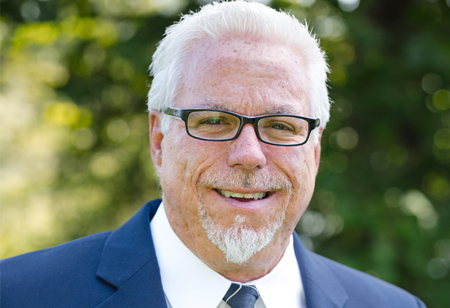
Paul Sylvester, President, Executive Business Coach
Leadership isn’t just about what you do; it’s about how people experience you.

Traditional leadership development focuses on skills and strategies. Behavioral coaching, on the other hand, explores why leaders react under pressure, how they make decisions, and which subconscious patterns influence their communication. Subtle habits like avoiding confrontation, over-controlling, and failing to listen can quietly derail careers, even when technical expertise is strong. Behavioral coaching brings these blind spots to the surface and replaces them with self-awareness, emotional agility, and intentional action.

Yet, there are surprisingly few coaches who specialize in this space. Paul Sylvester is one of the rare exceptions, and he is also perhaps the best. As president and executive business coach of Sylvester, he helps leaders understand their own behavior, decode the behavior of others, and lead from a place of clarity, trust, and emotional intelligence. His approach blends business acumen with behavioral insight to create lasting changes that extend far beyond the boardroom.

“Most leaders don’t fail because they lack strategy. They fail because they underestimate behavior, including how people think, react, avoid, or resist when the pressure is on. My job is to bring that into focus so change actually sticks,” says Sylvester.

That practical, grounded approach stems from lived experience. For most of his career, Sylvester was making high-level decisions, navigating organizational complexity, and leading major transformation efforts as Chief Information Officer for a multi-billion-dollar company. He helped take the company public and stood on the NYSE floor, ringing the bell in celebration.

But even in that moment of triumph, something didn’t sit right. While stock tickers flashed success, he saw a different reality: a leadership team riddled with tension, mistrust, and misalignment. Despite financial wins, the culture was quietly eroding. That disconnect became his turning point.

What came next wasn’t retirement, but reinvention. Having witnessed firsthand how blind spots held leaders back and how poor team dynamics silently sabotaged results, Sylvester set out on a mission to help people lead and work better, together.

Leadership Development Consulting: Supporting Long-Term Organizational Growth

Leadership & organizational excellence consulting firms operate within business environments where workforce alignment, executive decision-making, operational culture, and long-term performance are closely connected. Organizations increasingly recognize that sustainable growth depends not only on financial planning or operational efficiency but also on leadership capability, organizational adaptability, and internal collaboration.

Consulting firms in this space help businesses strengthen management structures, improve communication frameworks, develop leadership talent, and create organizational systems that support both strategic execution and workforce engagement across evolving business conditions.

Evolving Leadership Strategies and Organizational Performance Priorities

Leadership & organizational excellence consulting firms are seeing growing demand for strategies that connect leadership behavior with broader organizational performance outcomes. Businesses are placing greater attention on how leadership influences employee engagement, operational stability, innovation capacity, and long-term adaptability.

Leadership development is no longer viewed as an isolated executive function limited to senior management training. Organizations increasingly expect leadership frameworks to influence decision-making, communication practices, team collaboration, and accountability structures throughout the enterprise.

Workplace expectations are also changing how consulting firms approach organizational development. Hybrid work structures, distributed teams, and cross-functional collaboration models have altered how leadership is exercised within modern organizations.

Consulting firms are helping businesses redesign communication systems, management workflows, and leadership training programs to support environments where teams may operate across multiple locations and digital platforms simultaneously. Organizational excellence is becoming more closely tied to flexibility, transparency, and the ability to maintain alignment even when traditional workplace structures are less centralized.

Culture transformation has become another important focus within consulting engagements. Many organizations are moving beyond broad corporate value statements and placing more emphasis on operational culture that directly affects employee behavior and performance consistency.

Consulting firms increasingly work with leadership teams to evaluate communication patterns, management accountability, workforce trust, and decision-making structures that influence organizational culture at a practical level. Businesses are recognizing that culture is reinforced through daily operational behavior rather than internal branding language alone.

Navigating Organizational Complexity through Structured Consulting Approaches

Leadership & organizational excellence consulting firms must address challenges related to workforce resistance, operational misalignment, and leadership inconsistency while helping organizations maintain stability during periods of transformation. One of the most common challenges involves resistance to organizational change when employees perceive restructuring efforts as disruptive or disconnected from operational realities.

Consulting firms address this by developing phased implementation strategies, leadership communication frameworks, and employee engagement processes that improve transparency throughout transformation initiatives. Organizational adaptation becomes more sustainable when employees understand how changes connect to operational improvement and long-term workplace stability.

Leadership inconsistency across departments creates another important challenge within growing organizations. Businesses often struggle when management styles, communication practices, and performance expectations vary significantly between teams.

This inconsistency can weaken collaboration and reduce organizational clarity. Consulting firms respond by establishing unified leadership frameworks that define accountability standards, communication principles, and decision-making expectations across management structures. Leadership development becomes more cohesive because organizations create shared operational standards while still allowing flexibility for department-specific responsibilities.

Workforce engagement also requires careful attention as organizations balance productivity expectations with employee well-being and retention concerns. Businesses may experience declining morale when communication becomes fragmented or leadership visibility weakens during periods of operational pressure.

Consulting firms help organizations strengthen internal engagement through management coaching, feedback systems, collaborative leadership models, and clearer organizational communication practices. Employee engagement improves when leadership structures create stronger alignment between operational expectations and workplace support systems.

The New Era of Leadership: Aligning Values with Business Strategy

Organizations are rethinking how they define leadership as workforce expectations evolve and business environments grow more complex. Traditional models that focused on authority, performance and technical expertise are no longer enough. In their place, a new approach is emerging that centers character in leadership development. This shift is not about soft ideals but about building leaders who can inspire trust, act with integrity and guide teams through uncertainty. Character-based human capital solutions are now shaping how companies design and execute human capital strategies.

At the core of this transformation is the belief that leadership effectiveness is rooted in values and behavior rather than positional power. Companies are recognizing that qualities such as accountability, empathy, resilience and ethical judgment drive long-term success. These traits influence how leaders make decisions, engage employees and respond to challenges. As a result, organizations are embedding character assessments into hiring, leadership development and succession planning processes.

Embedding Character into Talent Architecture

Human capital strategy is increasingly being built around frameworks that prioritize character alongside competence. This begins with redefining what great leadership looks like within an organization. Instead of focusing only on measurable outputs, companies are identifying behavioral markers that reflect strong character. These markers are then integrated into recruitment processes, performance evaluations and leadership training programs.

Hiring practices are evolving to assess how candidates respond to real-world ethical dilemmas and team dynamics. Behavioral interviews and scenario-based assessments help organizations understand how individuals think, act and collaborate. This approach reduces the risk of promoting technically strong but culturally misaligned leaders.

Leadership development programs are also undergoing a shift. Rather than concentrating solely on skill acquisition, they are designed to cultivate self-awareness and personal growth. Coaching and mentorship play a central role in helping leaders reflect on their actions and align them with organizational values. Over time, this creates a leadership pipeline that is consistent in both capability and character.

Strengthening Culture Through Value-Driven Leadership

A strong organizational culture is no longer seen as a byproduct of leadership but as a direct outcome of it. Character-based human capital solutions are enabling companies to create cultures that are resilient, inclusive and purpose-driven. Leaders who demonstrate integrity and empathy set the tone for how employees interact, collaborate and perform.

This cultural alignment has a significant impact on employee engagement. When leaders align with their stated values, employees are more likely to trust them and feel a sense of belonging. This trust fosters open communication and encourages individuals to contribute ideas without fear. In turn, organizations benefit from increased innovation and stronger team cohesion.

Value-driven leadership also plays a critical role in navigating change. In times of uncertainty, employees look to leaders for clarity and reassurance. Leaders who exhibit authenticity and transparency are better equipped to maintain morale and guide teams through transitions. This is particularly important as organizations adopt new technologies and adapt to shifting market demands.

Furthermore, character-based leadership supports diversity and inclusion efforts. Leaders who prioritize fairness and respect are more likely to create environments where diverse perspectives are valued. This not only enhances decision-making but also strengthens the organization’s ability to connect with a broader range of stakeholders.

Aligning Leadership with Long-Term Business Strategy

Organizations are aligning leadership development with long-term strategic goals by focusing on character-based leadership. This approach ensures leaders balance immediate performance with sustainable growth while considering the broader impact of their decisions on employees, customers and society. Clear organizational values serve as the foundation for this alignment, guiding leaders in consistent, ethical decision-making across all levels.

Leaders are expected to embody these values in everyday actions, thereby strengthening organizational identity and building trust with stakeholders. Technology is further enabling this shift by offering digital tools that track leadership behavior and provide real-time feedback. These insights help organizations refine development programs and address leadership gaps more effectively.

Accountability remains a key element in sustaining this model. Transparent evaluation systems ensure leaders are accountable for their actions, reinforcing integrity and encouraging continuous improvement. At the same time, character-driven leadership supports better risk management by reducing the likelihood of unethical behavior that could harm a reputation.

As business environments grow more complex, organizations increasingly rely on leaders who demonstrate integrity and sound judgment. Character-based leadership solutions are helping redefine effective leadership by integrating values, behavior and accountability into human capital strategy.

This transformation is not a temporary trend but a fundamental shift in how companies approach human capital strategy. It reflects a deeper understanding that sustainable success is built on trust and that trust is earned through consistent ethical leadership. Organizations that embrace this approach are better positioned to attract, retain and develop talent while creating a culture that supports innovation and resilience.

Redefining Leadership: The New Era of Authentic Engagement

In an era of unprecedented transparency and digital acceleration, the profile of the modern executive has transcended the traditional confines of the boardroom to become a primary vehicle for corporate identity and stakeholder trust. High-level leadership is no longer evaluated solely through the lens of financial performance but through the ability of individuals to articulate a compelling, authentic narrative across a fragmented media landscape. This evolution has birthed a sophisticated niche of communication services dedicated to refining the public personas of top-tier leaders, ensuring they can navigate complex geopolitical shifts and internal cultural transformations with equal dexterity.

As the boundaries between professional and personal spheres continue to blur, the demand for nuanced guidance in executive representation has reached a critical zenith, moving beyond simple media training into the realm of strategic reputation orchestration. By aligning the individual voice of the leader with the broader objectives of the organization, these services empower the modern executive to act not just as a manager of assets but as an influential orchestrator of human connection and strategic vision.

Navigating the shift toward radical authenticity and real-time engagement

Market trends currently indicate a decisive move away from the highly polished, scripted interactions that characterized previous decades of corporate management. Stakeholders, from frontline employees to institutional investors, now demand a level of vulnerability and genuine engagement that was once considered a liability in the executive suite. This shift is manifesting in the rise of long-form, unfiltered communication channels where leaders are expected to hold deep, organic conversations rather than delivering top-down directives.

The adoption of alternative media formats allows for a more relatable portrayal of leadership, fostering a sense of psychological safety within the workforce and building external brand advocacy. This human-centric approach is often supplemented by the use of internal feedback loops and interactive forums that prioritize two-way dialogue over traditional dissemination. By embracing a less manicured persona, leaders are finding they can more effectively cut through the digital noise and establish a foundation of credibility that withstands the scrutiny of a twenty-fourhour news cycle. This evolution necessitates a new set of interpersonal capabilities, where emotional intelligence and the ability to listen become as valuable as the capacity to speak

In addition to these interpersonal shifts, the integration of real-time sentiment analysis allows leaders to pivot their messaging with unprecedented agility. By utilizing data-driven insights to understand audience mood, executives can address emerging concerns before they escalate. This synthesis of raw human empathy and technological precision defines the new standard for impactful corporate advocacy.

Overcoming digital fragmentation and the persistent talent expertise gap

The sector faces substantial hurdles rooted in the rapid pace of technological disruption and the increasing complexity of global regulatory environments. Leaders are often tasked with communicating on multifaceted issues such as sustainable governance and digital ethics with very little preparation time, creating a significant risk of reputational friction. This pressure is compounded by the saturation of information, where a single misaligned statement can be amplified across global platforms in seconds, leading to a permanent distortion of the corporate message.

Furthermore, there is a growing disparity between the need for tech-fluent communication and the availability of professionals who can bridge the gap between complex data and clear storytelling. To mitigate these risks, organizations are turning to advanced simulation environments where executives can stress-test their narratives against various crisis scenarios before they occur. These innovative solutions involve the integration of predictive analytics to anticipate stakeholder reactions and identify potential blind spots in the executive platform. By utilizing these proactive frameworks, companies are ensuring that their spokespersons are not merely reacting to events but are actively shaping the conversation through a well-informed and resilient communication strategy.

Unlocking strategic foresight through intelligent automation and modular governance

Opportunities within the sector are increasingly tied to the seamless integration of intelligent tools that enhance the precision of executive outreach. Advancements in data-driven decision intelligence allow communication teams to personalize messaging for diverse global audiences, ensuring that the core vision remains consistent while adapting to local cultural nuances. This modular approach to governance empowers leaders to move fast and decisively, reducing the lag between strategic pivots and their public articulation.

Stakeholders benefit from this increased organizational velocity, as clear and frequent communication from the top minimizes confusion and aligns the workforce around shared priorities. Moreover, the emergence of hybrid support models—combining high-level human coaching with ongoing digital monitoring—provides a continuous development path for leaders at all stages of their careers. This synergy not only optimizes the impact of the executive voice but also creates a scalable repository of leadership wisdom that can be utilized for succession planning and internal talent development. As the industry moves forward, those who successfully marry the depth of human experience with the speed of digital insight will define the next frontier of influential leadership, transforming the executive spokesperson into a vital architect of long-term corporate resilience.

Empowering Leaders: The Impact of Reflective Coaching

Leadership should be perceived as an ongoing journey rather than a definitive endpoint; it embodies a continual process of self-discovery and adaptation. In an ever-evolving professional environment where the expectations for effective leadership are consistently increasing, leadership coaching plays a vital role in supporting individuals. Rather than offering prescriptive solutions or standardized models, effective coaching equips leaders to navigate complexities with clarity, enhances their decision-making skills, and fosters the interpersonal competencies essential for guiding others.

Leadership coaching serves to align individual objectives with the broader needs of the organization through substantive dialogue and reflective practice. The central premise is that most professionals possess the capacity for effective leadership. Yet, they frequently require the opportunity to articulate their thoughts, recognize blind spots, and identify ways to leverage their strengths. Within this framework, a coach acts not as a provider of solutions but as a facilitator who stimulates critical thinking and challenges prevailing assumptions. The true value of coaching resides not in the provision of advice, but in the formulation of inquiries that promote accountability and encourage progress.

Developing Self-Awareness and Personal Insight

One of the most significant contributions of coaching to leadership is the enhancement of self-awareness. Leaders are often expected to exemplify desirable behaviors, drive organizational results, and maintain composure and consistency within their teams. Nevertheless, even the most proficient leaders may encounter challenges in achieving balance due to a limited understanding of the motivations, habits, and emotional responses that inform their actions. Coaching offers a confidential environment in which individuals can explore these internal patterns and assess their impact on external behaviors.

Through the application of reflective questioning and structured feedback, coaching enables leaders to investigate the fundamental beliefs and experiences that shape their leadership styles. This process facilitates an understanding of how others perceive them, how they manage pressure, and the effectiveness of their communication of vision. As a result, coaching promotes personal growth and empowers leaders to engage authentically. In organizations that demonstrate clear alignment between expectations and actions, this cohesiveness is advantageous, allowing leaders to harmonize their behaviors with the collective expectations of their teams and organizations.

Insight is cultivated through continuous dialogue, constructive conversations, and forthright inquiry. By acquiring the ability to recognize and analyze their default responses, leaders expand their capacities for intentional action, resulting in more deliberate methods of leadership. This development of self-awareness also fosters resilience, equipping individuals to effectively manage setbacks, failures, and constructive criticism instead of resorting to reflexive reactions in high-stakes situations. Ultimately, this personal insight supports a leadership approach that is increasingly grounded and effective.

Strengthening Communication and Relationship Skills

Leadership coaching aims at improving a person's effective communication and relationship-building skills; a leader should be relational, and to be most successful, leaders must influence others. It guides leaders toward refining their listening, self-expression, and trust-building skills. Leaders are also helped to analyze their ways of interacting with stakeholders by understanding their communication styles, team dynamics, and challenging conversations. It identifies those patterns that may restrict collaboration and works on strategy building toward increased openness.

Effective communication creates an open culture where all members must account for their actions. This encompasses the idea and reality of psychological safety within teams, so everyone feels that they are being respected and heard; therefore, ideas and critical concerns are more likely to be contributed to and raised in a secure working environment. Leaders sharpen their connecting skills, build stronger teams, and develop organizational pillars in sharing purpose and trust.

Turning Vision into Sustainable Leadership Practice

One of the best things about leadership coaching is that it tries to transform individual transformation into regularized, sustainable behavior patterns of leading. As coaching goes beyond the demands of immediate problems, it helps leaders define who they want to be as leaders and what sort of impact they wish to create. This clarity and purpose guide selecting more strategic decisions and long-term planning, the backbone of these highly complex, evolving business environments.

The coaching is linked directly to the outcome for that organization from the development of a leader-in-action. This meant that the areas for leadership behavior would support a cultural transformation, talent development, or operational effectiveness. Coaches help leaders put objectives in place to care for that and help measure them over time, so it's really about accountability and clarity in direction.

Leadership isn't built by miracle moments but by continuous reflection and action. This ongoing engagement rhythm through coaching will sustain that, as leaders return to core principles and reassess those principles in light of new realities over time. Over time, coaching will become less interventionist and more integrative by embedding the contextual effectual habits into the regular work process.

Driving People-Centered Leadership for Organizational Success
America's CAR-MART, Inc
Driving People-Centered Leadership for Organizational Success
Jules Gianneschi, Chief Human Resources Officer

Jules Gianneschi serves as the Chief Human Resources Officer at America’s CAR-MART, Inc., a publicly traded automotive retail and finance organization operating over 150 dealerships across 12 states. With more than 25 years of experience at Walmart Inc., Jules progressed from frontline roles to senior leadership positions, supporting a diverse range of global functions including operations, human resources, aviation, security, innovation, marketing, real estate, finance, legal, compliance and ethics.

Renowned for fostering collaborative partnerships and designing forward-thinking talent strategies, Jules excels in aligning the employee experience with business objectives to drive measurable results. With deep expertise in P&L and general management, they position organizations for growth and operational excellence.

Jules is passionate about cultivating global talent pipelines, guiding associates to realize their full potential, and empowering leaders to excel. With a commitment to connecting insights from the employee experience to overarching business strategies, Jules strives to build a culture of learning and innovation that fuels organizational success.

An Overview of Gianneschi’s Professional Journey

In my current role as SVP of People at Car-Mart I lead a team of professionals who care for our associates across the associate life cycle from hire to retire (HR Strategy, Workforce planning, Acquisition, Onboarding/Associate Support, Learning & Development, Total Rewards, Communications, Payroll, HRIS Systems & Operations)

Prioritizing and Balancing the Employee Needs and Business Objectives

As an HR leader you need to provide support for Associates so that they can support the business. I prioritize balancing associate needs and business objectives by actively listening to associates, using data, connecting those insights to business performance and then making decisions that remove those obstacles and enhance engagement and productivity. One of our four values is compassion and fostering a people-first culture this is one way we can reinforce that value. Regular collaboration with leaders across departments ensures that decisions reflect both Associate well-being and the organization's success. This balance drives sustainable growth and a thriving workplace culture.

Building Strong Talent Benches

Identifying high potential is always an interesting topic as it requires leaders to thread the needle between art and science. It is easy to identify high performers, those who are achieving results, more challenging to articulate their “how” of achieving the results. To do this in a consistent manner we built a competency model with input from leaders across the company, Left Lane Leadership. Our intention was to focus on a few key attributes for those looking to accelerate their career; change champion, talent multiplier, culture keeper, performance ignitor, connection catalyst.

"Be curious, be candid, be compassionate."

Coaching has played a significant role in my personal development and is one of the key components to being a successful HR leader or partner. We often must help leaders make difficult choices and a strong coaching model can help you examine both the opportunity and the options to address. A coaching approach allows you to scale leadership much faster as you focus on empowering the coachee which creates growth, and when they repeat that action, they become a talent multiplier!

Incorporating Innovative Practices into People Strategies

Read. Don’t just read HR theory or practice but business insights, leverage industry articles for whatever space you are in. Join groups or forums where you can dive in and be curious and speak to others about how they are solving the same challenges. Don’t be afraid to explore insights outside of your industry and consider how they might apply to your business.

Empowering Executives and Businesses

Seeing individuals discover and then lean into being the best version of themselves. When you get a leader to be great at conducting regular self-evaluation and reflection, they do a much better job of really generating meaningful growth development plans which are not just check a box and now I should be at the next level. It creates sustainable growth, because they are empowered and not waiting for others to show up with the opportunity.

The Evolving Role of HR in the Future

We actively participate in strategic business discussions, all of the work coming out of HR should evolve from striving to help the business achieve success. There is a lot of untapped potential in understanding how to engage the workforce, continuing to drive the purpose of work, and striking the balance for the multiple generations in the workforce while also adapting to the intersection of technology advancements.

Be curious, be candid, be compassionate.

The Next Generation For Employee Onboarding
First Tech Federal Credit Union
The Next Generation For Employee Onboarding
Heather Shaffer-Orman, Learning & Development Sr Program Manager and Elden Maxwell, VP Learning and Organization Development

In today’s dynamic workplace landscape, agility is everything. Agile onboarding adapts to business needs, propels employee development, and streamlines operational efficiencies. That’s why, in 2023, we merged our Experience Center & Contact Experience Center training teams to provide unified support for onboarding new hires in our new Contact Experience Organization (CXO). This division represents one-third of First Tech Federal Credit Union’s workforce.

First Tech is the Credit Union for people in tech.

Founded over 70 years ago, First Tech has helped its members achieve their financial dreams and, in the process, became a “Most Admired Company”, a “Top Workplace”, a “Best Customer Experience Institution”, a “Great Place to Work” and more. We are proud of our innovative and award-winning financial services products and the difference they make for our members.

Embracing a digital-first mindset, we embarked on a journey to redefine onboarding, offering self-paced learning and customized learning paths tailored to the varied new hire roles we support. Our strategic approach enhanced our members’ experiences and fostered collaboration and a deeper understanding among our diverse teams.

With the unification of these teams, we faced some hurdles. Over 50% of the learning modules were duplicated efforts. These shared components provided a great place to start in merging our curricula. We didn’t just pick and choose from these existing courses, but rather, we assessed the learning objectives, and how to best achieve those, and then built new, targeted courses leveraging that content foundation. We then strategically determined what other learning needs were shared and which differed by role and built the rest of the new onboarding content accordingly.

At the end of our instructional design journey, we found that almost 75% of our created content applied to all roles. The result was a better targeted, comprehensive, more consistent, and less time-consuming new hire onboarding curriculum. Our onboarding program went from 6 to 4 weeks, while still developing new hires into more confident and capable employees. And, by eliminating duplication and reducing the training time, we realized over $150K/year in savings and efficiencies.

"Embracing a digital-first mindset, we embarked on a journey to redefine onboarding, offering self-paced learning and customized learning paths tailored to the varied new hire roles we support"

Our new onboarding program includes interactivity, simulations, assessments, high-quality eLearning, and live instructor-led workshops to enhance proficiency and role clarity. Our digitization strategy standardized the learning journey for all new team members, ensuring everyone follows a consistent and optimized development path. We transitioned to a digital workbook, enhancing our sustainability initiatives while enabling real-time updates to ensure its relevance whenever accessed.

We developed over 120 eLearning modules, hands-on-practice activities, resource journey activities, formal weekly assessments, and interactive workshops. Each component is designed to immerse teammates in practical application, reinforcing knowledge through hands-on experiences, and evaluating real-time adaptability and application.

The program includes system training, product knowledge, general financial acumen and customer service skills. Each area is crucial for our new team members to effectively navigate their roles. System Training will familiarize them with the technology and tools they’ll use daily. In Product Knowledge, they’ll understand our products deeply, crucial for making informed decisions and recommendations. Developing Financial Acumen & Customer Service Skills are pivotal to becoming an expert in advancing First Tech’s mission to empower our members to achieve their dreams.

We have also implemented a comprehensive measurement system to evaluate the new team members’ progress and effectiveness of the onboarding program. Through our structured measurement and communication plan, we empower leaders with invaluable insights into the performance of new team members for their roles. Leaders are provided with weekly progress reports, which include ratings from 0-5 on key capabilities including attendance & timeliness, business acumen, engagement, tech-savviness, and communication skills.

We leverage a variety of sources when considering ratings, including successfully passing eLearning courses, sandbox and simulated practice activities, formal weekly assessments, staying on track with digital assignments, and workshop interaction and engagement. By documenting performance and behaviors early on, we can promptly identify potential concerns, assess the need for additional support, and confirm fit for role.

This new generation of our onboarding program represents a significant leap forward in nurturing talent, fostering cohesion, and driving organizational success. Training and upskilling our employees is a cornerstone within First Tech’s 2024 business plan. Guided by this strategic imperative, the CXO Training Team stands poised to lead the charge, exemplifying agility in empowering our teammates to thrive and contribute meaningfully to our collective journey towards First Tech’s vision to “be America’s most admired credit union.”

Redefining Human Resource Management
Gables Residential
Redefining Human Resource Management
Philip Altschuler, Senior Vice President, Human Resources

Philip Altschuler, Senior Vice President, Human Resources at Gables Residential, combines decades of experience with innovative human management solutions to help the company increase revenue and profitability. Lauded for his high energy and impactful outcomes, Altschuler is enthusiastic about mentoring leaders to enhance their efficacy, leadership skills and the ability to foster a positive work environment.

In an interview with Manage HR, Altschuler discusses the need to understand technological advancements to increase employee productivity.

How has your journey been in the field of HR?

I started my career in the recruitment sector and eventually moved to the benefits sector and now I run the human resources department at Gables. I have worked in various industries such as hospitality, circus and real estate, both retail and residential.  

In my current role, I help my team execute all facets of HR, such as compensation, benefits, recruitment and training, up through succession planning. No days of work are alike as I travel around the country to ensure I'm where I’m needed to provide the greatest support to my team.

What are the challenges prevailing in the industry?

The newer challenges concern the arrival and evolution of artificial intelligence. However, the persistent challenges in the industry are retaining top talent, having the right leaders and grooming the talent internally to preserve the organizational culture.

“We have an online reward and recognition program called Gables Ovation, where the employees and their significant others are awarded points to take time off or get merchandise or gift cards for charity.”

There is a critical aspect that is overlooked while dealing with the challenge of talent retention. Many leaders think that employees leave an organization solely because of the work pressure or culture, but there is more to it. Most employees will have a point of influence that will lead them to leave a job. When an employee is unhappy with the workspace, a significant other will listen to the complaints. Once the complaints cross the limit, the person who has an emotional influence on the employee might advise to give up the job. As a result, it becomes important to take into consideration the significant other of the employee for an employer. This ensures that the efforts of the employee are monetarily compensated and provided public recognition.

What are the initiatives taken by Gables to tackle the challenges?

We have an online reward and recognition program called Gables Ovation, where the employees and their significant others are awarded points to take time off or get merchandise or gift cards for charity. We are currently exploring ways to expand the program. Through this program, we give the employee and the significant other a reason to understand why working for us is beneficial, which in turn helps us retain talent.

How do you envision the future of the industry?

The boom of AI is going to change the landscape of the HR industry. For example, the software Sora by Open AI helps users create videos from textual instructions. Instead of hiring a designer, this software can be used to create designs and videos. The impact of it has to be measured, but the results obtained are quite convincing. Migrating to using and managing such software effectively can improve productivity.

What is your piece of advice for the young professionals in the industry?

Always be curious about the advancements in the industry. Regardless of the changes, whether AI, social media, new communication platforms and trends or developing a new skill set, ensure consistent efforts to learn. Being adept could help explore opportunities and improve potential.

For example, equipment like a barbeque grill that gives you a 3D demonstration of the process of its working in real-time just by feeding its model number into software is an innovative, futuristic idea. Look for ideas to incorporate these interactive technologies in different departments like sales or marketing. Call centers could employ this to ensure faster responses. It is important to keep learning and look for ways to incorporate those lessons in the field of work. Push yourselves to understand newer aspects of work because whether you like it or not, having a grasp on the advancements can take you far forward in career.

Designing Pathways to Success for Every Employee
Humana
Designing Pathways to Success for Every Employee
Carolyn Tandy, SVP, Chief Diversity Equity and inclusion officer

As the Chief Diversity, Equity and Inclusion Officer at Humana, Carolyn Tandy, is committed to advancing a workplace culture rooted in belonging. She leads efforts to ensure that all 67,000 employees feel valued, supported and empowered to thrive, while also shaping diversity, equity and inclusion (DEI) strategy that extends to the 17.1 million members the company serves.

In this interview, Carolyn Tandy shares how inclusive leadership, employee engagement and responsible AI are advancing equity and driving meaningful outcomes across Humana’s healthcare mission.

Leading with Purpose and Belonging at the Heart of DEI

I lead the Office of Diversity, Equity and Inclusion, an enterprise-wide function composed of 21 subject matter experts across five teams. We focus on several core pillars including enterprise-wide talent strategy, business alignment, leadership competencies, external partnerships and cultural initiatives. Together, these areas work to ensure that DEI is embedded into the fabric of the business. Our efforts are guided through the Executive DEI Council, chaired by our CEO and our office reports directly to Humana’s management team.

My journey into this role was not a linear one. I have held a variety of positions across different industries including public service in Washington, public affairs, energy and the restaurant sector. Each role provided me with a different lens on leadership, people and purpose. What ties all those experiences together is the recognition that people are at the core of every successful organization. Regardless of the industry or mission, the ability to unlock human potential is what drives meaningful results. At Humana, that mission is realized through the care we provide and the culture we build.

Building DEI Strategies That Truly Reflect People’s Needs

For me, the key to aligning DEI initiatives with business strategy in a way that feels authentic lies in truly understanding the experiences, needs and perspectives of both our employees and the people we serve. At Humana, we take the time to connect with our members and patients to better understand their health concerns, as well as the personal and systemic barriers that may stand in the way of their best possible outcomes. These insights allow us to build strategies that are not just effective but deeply human.

I apply the same mindset when it comes to our employees. Through our annual engagement survey and national benchmarking exercises focused on workplace inclusivity, we ask our associates to share their honest experiences. This helps us identify what’s working, what needs to improve and where we can continue learning.

This constant learning loop is what allows us to care better—for our employees, our members and our communities. When our workforce reflects the communities we serve, we gain a stronger understanding of the people we support and can deliver care that truly empowers them.

Grounding Equity in Business Purpose While Honoring Every Voice

In times of change and resistance, I believe it is essential to keep the focus on the business purpose. At Humana, our work in diversity, equity and inclusion is never separate from our healthcare mission. It is central to how we deliver better health outcomes for our members and patients. When we anchor equity conversations in this shared purpose, they become strategic rather than emotional. Every initiative we design is tied to the value we bring to the people we serve. A strong culture of belonging improves employee well-being, which in turn enhances engagement and strengthens the care we deliver. It becomes a ripple effect that touches every part of the system.

“To build a unified and inclusive culture, we ensure that every person has a clear path to succeed.”

At the same time, designing initiatives for underrepresented groups means listening closely to what those communities are saying. It cannot be a top-down approach. We must stay connected and build trust. Supporting these communities is not a separate goal. It is the work itself. Everyone wants to feel valued and seen. Everyone wants care that meets their needs and the opportunity to reach their full potential.

To build a unified and inclusive culture, we ensure that every person has a clear path to succeed. That means honoring unique perspectives while creating shared goals. It means helping leaders show up with empathy and fairness. And it means asking questions, staying curious and valuing the differences that strengthen our collective understanding. That is how we stay rooted in purpose and move forward together.

Embracing Technology with Purpose and Leading with Courage and Clarity

Looking ahead, I am especially encouraged by how technology is beginning to support and advance our DEI work in more intentional ways. Over the past year, AI has emerged as a powerful tool in helping us break down barriers, particularly in health equity. When I joined Humana, there was a lot of focus on how to use AI responsibly while ensuring it reflects a wide range of perspectives. Now, as technology evolves, I am seeing its potential unfold in real time. For example, in markets like Miami-Dade where multiple dialects exist within a single language group, AI helps us bridge communication gaps between patients and clinicians. Providing care in someone’s own language is one of the most powerful ways to build trust. Technology like this helps us deliver care that is both informed and deeply personal.

To emerging DEI leaders, my advice is to begin by caring for yourself and deeply understanding your company’s strategy and priorities. Know how decisions are made and how your DEI efforts align with enterprise goals. Be ready to clearly communicate that alignment. Change is never easy and requires courage, trust and psychological safety. If those conditions are missing, led by example through your actions and words. Every interaction is a chance to model inclusion and belonging. DEI is not a separate initiative. It is reflected in how we show up for one another and create a culture where everyone feels valued.

Strategic Enforcement of Workforce Evolutions
Kellanova
Strategic Enforcement of Workforce Evolutions
Heather Wheaton, Senior Director of Human Resources

Heather Wheaton, Senior Director of Human Resources at Kellanova, brings over 15 years of HR experience across the medical device, pharmaceutical and consumer goods sectors. Holding a doctoral degree in Management Organizational Leadership and certifications as a Clifton Strengths Gallup and Hogan Coach, Heather also serves on the HR Advisory Board at Grand Valley State University. She enjoys the outdoors and spending time with family in Portage, Michigan. Her responsibilities include strategic HR Business Partner for the approximate $1B North America Frozen Foods business including 3 manufacturing plants.

The intricacy of employee management reaches new heights as business owners move toward workplace diversity and inclusion. Considering the needs of different employees is essential now more than ever. As highlighted by Heather Wheaton in this interview, it is fundamental for cross-functional departments to openly but strategically embrace technology and upskilling to embrace the shifting workforce paradigm.

Maintaining high levels of employee engagement and retention

We take a personal approach to employee engagement and retention. Everyone is motivated and engaged differently. Understanding those motivations and ensuring our employee value proposition, both at the corporate level and more importantly, at our business unit level is important with regular check-ins to get feedback and their specific needs.

Key workforce planning implemented to meet growth objectives

Kellanova has implemented different approaches. For instance, we run a learning management system that provides bit-size external and internal learnings that employees can leverage when right for them. Thinking about a fit-for-purpose organizational design, we have identified what skills and capabilities we want to buy versus grow. This methodology allows us to assess the criticalities of our business and the timing of when those skills are needed. A third initiative is the commitment to learning and integrating digital and AI systems to make these routine or non-value-added work more efficient, providing our employees the time and capacity to upskill.

“Thinking about a fit-for-purpose organizational design, we have identified what skills and capabilities we want to buy versus grow”  

Measuring the success of effective development programs

Over the years, I have leveraged diverse tools like Tigerhall and LinkedIn Learning. Other development programs have been developed internally through Davenport or third-party vendors. Our KPIs consist of usage, pre and post-evaluations involving talent moves like promotions and lateral moves entailing the participation in special projects to name a few.

Impactful HR management practices transferable across diverse industries

Best practices are changing. We must be diligent about where we want to fall on the continuum. Do we want to lead the creation and alignment of what is best practice in a certain area, or do we want to lag? These questions have acceptable answers depending on the strategy and very rarely can you lead in everything.

Workforce productivity, operational efficiency and the digital transformation

We are still in our digital transformational journey, a continuous effort. With scale, most companies are starting to evolve to cloud-based human capital management (HCM) and totally automated (TA) systems that allow for accessibility. This includes the use of communication apps, performance management and administrative tasks. The use of People analytics could be a game changer and how we can tie them to business results for creating predictive modeling, faster and more reliable decisions is where we are starting to see a greater need.

Developing competent HRs

Be genuinely curious and continuously reinvent what it means to be “in HR.” The world is ever-evolving, and we need to pace with it.” these guidelines are the most influential in my career. What I strive to be are sometimes the most difficult to grow in people: learning agility, courage, a solution-oriented mindset, empathetic communication and the ability to work within cross-functional teams. Having a balance between technical and soft skills is where the sweet spot to high performance lies.

Leadership Development Info

Q1
What Do Top Leadership Development Companies Help Organizations Achieve?
Top Leadership Development Companies help organizations strengthen management capability, improve decision-making and prepare future leaders for business growth and workforce change. These companies typically provide executive coaching, leadership training, communication development, succession planning and culture-building programs tailored to different leadership levels. In the U.S. market, enterprises are increasingly using leadership development providers to improve employee engagement, reduce leadership gaps and support hybrid workforce management. Many programs now combine coaching, behavioral assessments, workshops and digital learning platforms to create measurable leadership improvement across teams and departments.
Q2
Why Are Leadership Development Services Receiving Greater Attention?
Leadership development has become a larger priority as organizations manage workforce transitions, remote collaboration and changing employee expectations. Many companies now recognize that technical expertise alone does not create effective leaders. The demand for Top Leadership Development Companies has also increased because organizations want managers who can guide teams through uncertainty, communication challenges and organizational change. The broader leadership development market continues to expand as businesses invest more heavily in talent retention, internal mobility and people-first management practices. Publications such as Manage HR Magazine regularly highlight how leadership capability is becoming closely tied to long-term business resilience.
Q3
How Should Enterprises Evaluate Leadership Development Companies?
Organizations evaluating leadership development companies should look beyond motivational training or generic workshops. The strongest providers usually align leadership programs with business goals, workforce structure and company culture. Enterprises often assess factors such as coaching methodology, customization capability, leadership assessment tools, industry expertise and long-term engagement models. Top Leadership Development Companies are also increasingly expected to provide measurable outcomes through leadership analytics, employee feedback and progress tracking. Buyers often prefer providers that can support multiple leadership levels, from frontline managers to executive leadership teams, while adapting programs for hybrid and geographically distributed workforces.
Q4
What Business Value Do Leadership Development Providers Deliver?
Leadership development programs can influence productivity, employee retention, collaboration and organizational culture. Companies investing in leadership training often aim to improve manager effectiveness, reduce communication breakdowns and create stronger succession pipelines. Top Leadership Development Companies frequently help organizations build consistency in leadership behavior across departments and regions. In many industries, leadership quality also affects customer experience, innovation and workforce morale. Effective development programs can support faster decision-making, stronger accountability and improved cross-functional coordination, particularly in organizations experiencing growth, restructuring or digital transformation initiatives.
Q5
How Are Technology and Innovation Influencing Leadership Development?
Leadership development providers are increasingly blending human coaching with digital learning tools, behavioral analytics and virtual collaboration platforms. Many organizations now expect flexible learning experiences that combine instructor-led sessions, self-paced modules and real-time coaching support. Some Top Leadership Development Companies use leadership assessments, learning analytics and AI-supported feedback systems to personalize development journeys and identify skill gaps more effectively. Virtual leadership simulations, communication coaching and scenario-based learning are also becoming more common as enterprises look for scalable ways to train managers across multiple locations without sacrificing engagement or practical relevance.
Q6
What Should Decision-Makers Prioritize When Comparing Leadership Development Companies?
Decision-makers comparing Top Leadership Development Companies should prioritize relevance, adaptability and measurable impact rather than broad training catalogs alone. Leadership programs tend to deliver stronger results when providers understand the organization’s industry pressures, workforce dynamics and management challenges. Enterprises often benefit from providers that balance leadership theory with practical implementation, coaching support and measurable progress indicators. Cultural alignment, facilitator expertise and long-term partnership capability also matter when selecting leadership development providers. Many organizations prefer companies that can evolve programs over time as leadership expectations, workforce structures and business priorities continue to change.
Take Me Top