
Manage HR Magazine: Specials Magazine
Enterprise learning can generate extensive records of courses completed and assessments taken without showing whether employees developed the capabilities their roles require. Skills information may also sit across job descriptions, employee profiles and learning systems, making it difficult to maintain a current picture of workforce capability. Docebo (NASDAQ: DCBO) brings skills intelligence into its learning environment to connect capability information with development, mobility and workforce planning. Following its acquisition of 365Talents, the platform links skills data with learning and talent mobility, helping organizations identify capabilities, address gaps and update skill profiles as employees develop. Skills change through projects, experience, learning and movement between roles. Periodic assessments can therefore miss important shifts in what employees know and what organizations require. Docebo's approach keeps skills information connected to the activities that can change it, creating a more current view of workforce capability.
Diversity and Inclusion
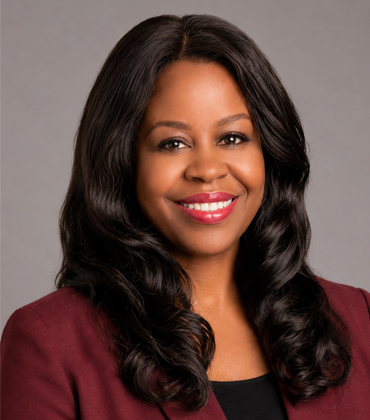
For All Things Equitable (ATE), equity is not an initiative layered onto an organization. It is a question of how an organization is designed: how decisions are made, who has access to opportunity, how accountability works and whether policies and practices produce equitable outcomes. The Canadian boutique consulting firm helps organizations move beyond statements of intent by examining the systems, structures and practices that shape workplace experience. Founded by Janelle Benjamin, a trained lawyer, former human rights investigator and organizational equity strategist, ATE brings together legal analysis, investigative discipline, systems thinking and practical implementation. Benjamin’s experience leading and advising on complex equity, human rights, accessibility and organizational change initiatives informs a consulting approach focused not simply on identifying inequities, but on helping organizations address their root causes. “Equity is not an initiative layered onto an organization. It is about redesigning the systems, decisions and structures that determine access, opportunity and voice,” says Benjamin, Founder and CEO.
Executive Coaching
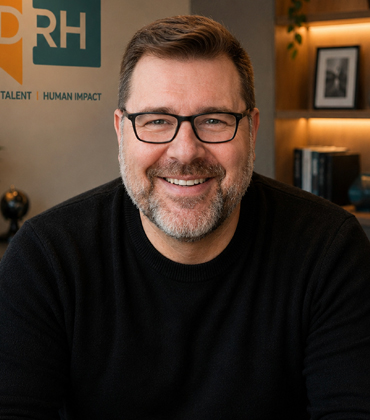
Some of the most important conversations never happen in boardrooms. They happen in quiet moments when leaders begin questioning themselves, searching for clarity or needing someone who will listen without judgment. BDRH was built around those conversations, helping executives and organizations strengthen leadership through trusted relationships, coaching and people-first HR solutions that begin by understanding the individual behind the role. Working with humans is never the same as working with processes. Every coaching relationship begins by creating a space built on trust, where executives can speak openly without judgment. BDRH does not offer a one-size-fits-all solution, it takes time to understand each individual's beliefs, emotions and challenges because better leadership begins with better self-understanding. That relationship is the foundation from which every coaching conversation, leadership decision and recruitment engagement grows. BDRH's executive coaching clients include CEOs, vice presidents and senior executives navigating the demands of leadership. It truly can be lonely at the top. Many leaders have few places where they can openly discuss fears, uncertainty or difficult decisions. Even trusted colleagues may also be competitors. BDRH provides a neutral space where executives can think out loud without judgment. The firm does not tell clients what to do, it helps them gain perspective, challenge assumptions and arrive at clearer decisions themselves.
Top 10 Directors of People & Culture in Canada - 2026
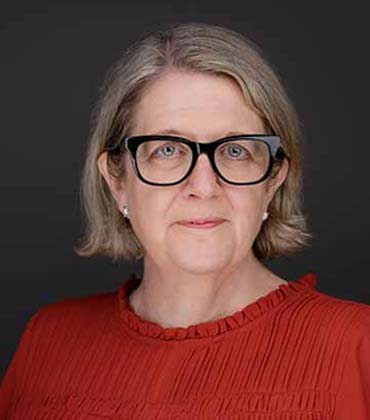
Vicki Allen, Director of People & Culture and Head of Labour Relations at Corus Entertainment, integrates HR with business strategy, fostering transparency, fairness and measurable culture while guiding unionized and non-unionized teams through Canada’s evolving media landscape. Transforming HR through Business Partnership My role spans people and culture strategy alongside labour relations within an environment shaped by creative talent, unionized and non-unionized teams, regulatory complexity and the rapid pace of media transformation at Corus Entertainment. The focus is helping the organization remain agile while building a culture grounded in transparency, fairness, accountability and trust. Rather than viewing HR as a standalone support function, I see it as deeply connected to business performance and operational decision-making.
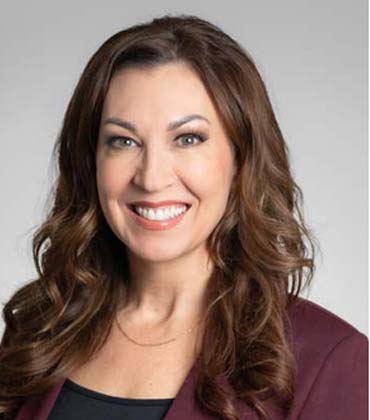
Leah Fochuk is a strategic HR leader with over a decade of experience shaping people strategy across high-growth startups, large enterprises and financial services. She has built HR functions from the ground up, led globally distributed teams and held senior roles at Symend, Trans Mountain and Avenue Living. As Director of People and Culture at The WealthCo. Group of Companies, she brings a distinctive balance of analytical rigour, strong business acumen and genuine human-centeredness to every challenge she encounters. When I look back on my career, what has shaped me most is a willingness to step into opportunity, even when it meant figuring things out quickly as I went. That was especially true in a fractional HR consulting role, where I supported multiple organizations across different industries, each with its own unique challenges, cultures and levels of maturity. I quickly learned how to diagnose root causes, think strategically about solutions and communicate effectively with senior leaders. The role pushed me to rely on data and insight to get beneath the surface rather than defaulting to assumptions.
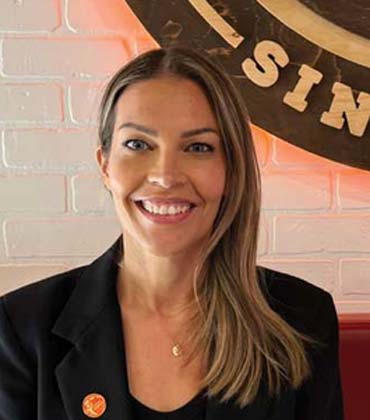
Amy Silverstein oversees people and culture initiatives at Pizza Pizza Limited. With more than two decades of experience across retail, hospitality, transportation, and restaurant operations, she has built her career around connecting people strategies to business outcomes through leadership development, employee engagement, culture, and organizational effectiveness. HR Earns Its Seat at the Table Throughout my career, I have worked in service-based industries where speed, pressure, and customer expectations are constant. Whether in retail, transportation, hospitality, or quick-service restaurants, one lesson has remained consistent: employee experience directly affects customer experience.
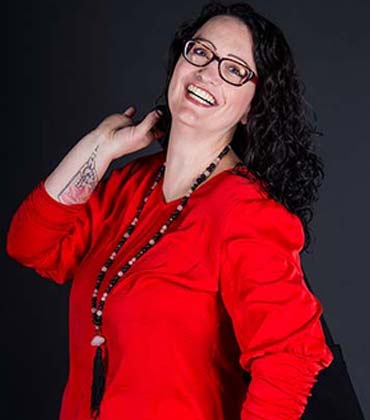
Valerie Gilbert is Director of People & Culture at Explore Edmonton Corporation, leading people strategy, talent development and organizational culture. With a background spanning HR, coaching and change management, she fosters inclusive workplaces, meaningful employee engagement and strong organizational culture through people-first leadership. Leading with Employee Experience Throughout my career in human resources and organizational development, my approach has been shaped by three core principles: making an impact, doing the right thing and staying connected to people. For me, impact is about the everyday moments that shape employee experience. A conversation, decision or being present during a difficult moment can have a lasting effect. In People & Culture, the real work is choosing where we can have the greatest impact and being transparent about priorities.
Recruitment

Developing a Strategy to Tackle HR Challenges: Four Best Practices
Marie-Chantal Perreault, Vice-President Human Resources, Quadra Chemicals
Diversity and Inclusion
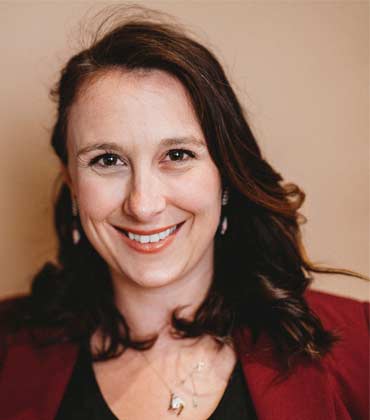
Embracing Diversity and Inclusion for Enhanced Business Performance
Hannah DiNardo, Director, Workforce Strategy, ATB Financial
Organizational Culture

The new Blueprint for People and Culture Leadership
Tika Jeyasingam, Director- People & Culture (HRBP), TELUS
Corporate Online Training
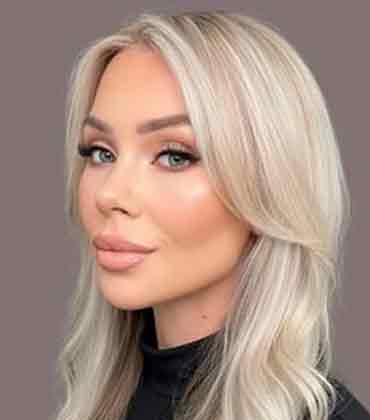
AI in Recruitment: A Practical Guide for Talent Acquisition Professionals
Jacquilynne Ellison-Wickson, Director of Talent Acquisition Canada, HUB International
Corporate Wellness
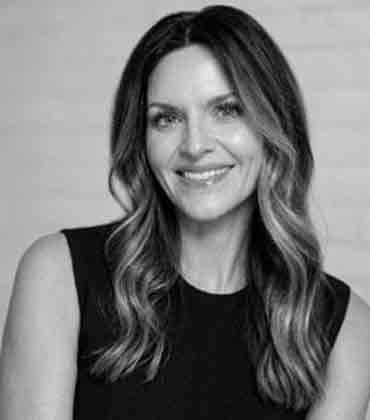
Moving Beyond HR Processes to Build Stronger Workplace Partnerships
Jessica Manning, Vice President, Human Resources, Hattie B’s Hot Chicken
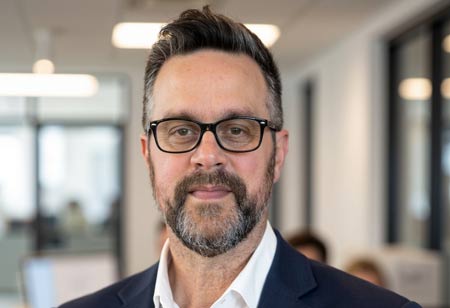
IN MY OPINION
Employee Benefits
Leadership by Doing: Building Credibility Through Accountability, Execution
Tony Schwaerzler, Vice President, Human Resources, Quickparts
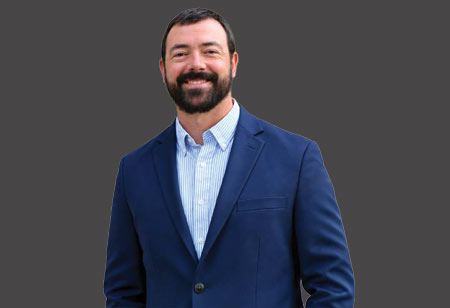
LAST WORD
Executive Search
Building a Talent Strategy Around Growth
Cody Bowen, SVP of Acquisition and Development Manager, C&N
IN FOCUS

Cultivating Inclusivity: Canadas Innovative DEI Consulting Landscape
Workplace DEI consulting firms promote inclusive workplace cultures, enhance employee engagement, and strengthen team collaboration.

Workforce Intelligence: Advancing Skills-Based Talent Management in Canada
Talent skills intelligence platforms help Canadian employers identify workforce capabilities, strengthen internal mobility, personalize development and align skills with organizational needs.
EDITORIAL
Building More Human, Capable and Connected Workplaces
Human resources is being shaped by a practical challenge: how to build stronger organizations while making work, development and leadership more responsive to people. This issue of Manage HR Canada examines that challenge through skills intelligence, workplace equity, executive coaching and the operational realities of modern HR.
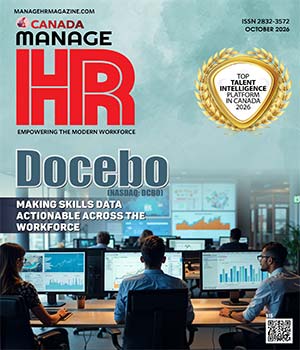
The cover story, Docebo, recognized as the Top Talent Skills Intelligence Platform in Canada 2026, shows how skills information can become more useful when connected to learning, talent mobility and workforce planning. Its platform uses AI to infer, normalize and validate skills from roles, experience, projects and learning activity, helping organizations maintain a more current view of workforce capability. Its integration of skills intelligence with development and internal mobility extends learning beyond course completion toward broader workforce decisions.
The issue acknowledges All Things Equitable as the Top Workplace DEI Consulting Firm in Canada 2026 for its systematic approach to workplace equity. Instead of treating equity as an isolated strategy, the firm analyzes how decisions, policies, structures and accountability contribute to workplace results, turning those assessments into concrete action and governance. BDRH, the Top Business and Executive Coaching Solutions in Canada 2026, adds another layer to people leadership in the form of customized executive coaching, career development, talent acquisition and HR consultancy solutions based on trust and self-awareness.
The issue also recognizes Top 10 Directors of People & Culture in Canada. The recognition underscores the importance of leaders who connect people practices with organizational needs.
In addition, leadership perspective from Michael Kerrigan, Global Head of HR Operations at Interactive Brokers, highlights how HR should simplify the employee experience while managing complexity behind the scenes. He also stresses that technology should support judgment rather than replace it, freeing HR professionals to focus on decisions, exceptions and employees.
Together, these perspectives show an HR function balancing technology, human judgment and organizational accountability. Explore the issue to examine the ideas and leaders shaping that balance.

Be first to read the latest tech news, Industry Leader's Insights, and CIO interviews of medium and large enterprises exclusively from Manage HR Magazine
