
A featured contribution from Leadership Perspectives: a curated forum reserved for leaders nominated by our subscribers and vetted by the Manage HR Advisory Board.

TELUS
The new Blueprint for People and Culture Leadership
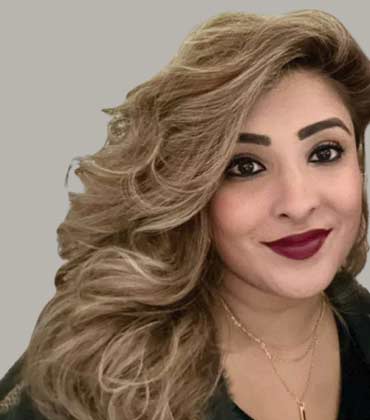
Tika Jeyasingam
Aligning People Strategy with Business Growth
As Director, People & Culture and strategic HR Business Partner at TELUS, my core responsibility is aligning human capital strategy with the company’s broader business objectives while helping deliver meaningful human and digital outcomes.
I work closely with Senior Vice Presidents and Vice Presidents across multiple business units to translate commercial priorities into scalable people strategies. A significant part of my role focuses on strategic workforce planning, ensuring our teams have the capabilities, leadership readiness and talent pipelines needed to compete and innovate in an increasingly AI-driven environment.
My work also involves leading organizational design initiatives that improve agility, strengthen cross-functional collaboration and support long-term business transformation. At the leadership level, I coach senior executives on employee engagement, change management and data-informed talent decisions that improve both performance and culture.
Equally important, I focus on embedding Diversity, Equity and Inclusion principles directly into the talent lifecycle, from hiring and development to succession planning and leadership growth. For me, effective people strategy is not separate from business strategy. It is one of the key drivers behind sustainable growth, innovation and organizational resilience.
Creating a Culture People Want to Be Part of
TELUS has long been a trailblazer in workplace culture. Some of our hallmark initiatives are:
The Evolution of “Work Styles”: Pioneered well over a decade ago, our hybrid work philosophy focuses on equipping leaders with the psychological and digital toolkits needed to manage remote performance effectively. Career progression is tied to output and impact, and less on geographical positioning.
The TELUS Health & Well-being Ecosystem: We treat team member well-being as a business KPI. By embedding our own clinical technologies, mental health platforms and holistic wellness benefits directly into the employee lifecycle, we have shifted from a reactive sick-leave model to proactive, personalized care.
"Performance starts with people. Well-being and talent development are not expenses that compete with business priorities; they are the engine that drives them."
Team Member Resource Groups (TRGs): Groups like Spectrum (LGBTQ2+) and Mosaic (multicultural talent) act as strategic advisory partners. They are given an opportunity to influence our internal policies, talent pipelines and community investments, ensuring our culture is co-created by our people.
Why Business Performance Starts with People
We operate under a foundational principle: Performance starts with people. Well-being and talent development are not expenses that compete with business priorities; they are the engine that drives them.
To maintain this balance, we rely on data-driven interventions. We cross-reference business performance metrics with team burnout and turnover indicators. If a business unit is hitting financial targets but showing low well-being scores, we intervene to redesign workflows and adjust capacity before performance degrades. Additionally, we help leaders prioritize their deliverables, removing non-essential friction to protect our team members’ capacity for work that truly adds value.
Using Technology to Build Inclusive, HighPerforming Teams
To build a high-performing, inclusive workforce, we lean heavily into unified communication technologies and equitable leadership frameworks:
Democratizing Growth: We utilize data-driven internal talent platforms that offer personalized coaching, learning pathways and location agnostic hiring. This ensures stretch assignments and promotions are based on skill proficiency and potential rather than proximity or personal biases.
Humanity-in-the-Loop Leadership: As we adopt generative AI and advanced automation, our leadership practices emphasize performance development. We train our leaders in hybrid team management, coaching them to replace transactional check-ins with meaningful, outcome-focused conversations.
Spirited Teamwork Tools: Because our teams are geographically distributed, we intentionally use digital collaboration spaces to build community, celebrate shared successes and drive real-time peer recognition.
The Shift from Job Titles
As workplace expectations evolve, two major forces will redefine leadership in large organizations:
The Skill-First Paradigm: The traditional definition of a static “job description” is fracturing. Future HR leaders must pivot to managing a dynamic skills inventory, focusing entirely on continuous adaptability, upskilling and deploying talent based on fluid project needs rather than rigid hierarchies.
The Authenticity Imperative: Top-tier talent expects absolute alignment between corporate values and operational realities. Organizations will be judged heavily on their social capitalism— how effectively they give back to their communities and foster true psychological safety.
The Future of People Leadership Is Skills-First
Stop trying to design the perfect policy, and start focusing on building the capacity for resilience.
In large organizations, we often default to building complex compliance frameworks or rigid playbooks to handle change. However, change happens too fast for playbooks. Instead, invest your time, budget and energy into building high-trust leadership capabilities.
When your frontline managers are deeply empathetic, highly communicative and psychologically safe, your organization gains organic resilience. Teams do not survive disruption because of a flawless HR policy manual; they survive and thrive because they trust their leaders, understand their collective purpose and feel genuinely cared for as human beings. Protect the human core, and the business performance will follow.
The articles from these contributors are based on their personal expertise and viewpoints, and do not necessarily reflect the opinions of their employers or affiliated organizations.

Be first to read the latest tech news, Industry Leader's Insights, and CIO interviews of medium and large enterprises exclusively from Manage HR Magazine
