
Manage HR Magazine: Specials Magazine
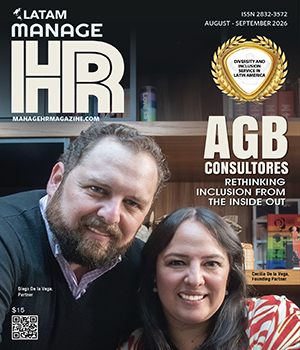
Inclusion isn’t an item on a checklist—it’s a shift. Yet, in today’s corporate landscape, many DEI efforts rely on standardized programming and compliance-driven initiatives that fail to reflect the real dynamics of the workplace. AGB Consultores was built to close that gap. In a space crowded with templated solutions and surface-level training, the Mexico-based firm takes a radical approach to co-creating strategies that speak to each company’s culture, workforce dynamics and growth stage. Its work goes beyond compliance or buzzwords to build inclusion that feels real, relevant and rooted in everyday business life. “We don’t just deliver what the client wants to hear. We help them discover what their workforce needs to grow,” says Cecilia De la Vega, founding partner. The philosophy runs through every workshop, panel and policy session that AGB Consultores leads. Rather than following a fixed playbook, it acts as a partner, adapting its content, format and delivery to match where each client is in their inclusion journey. Whether engaging frontline workers on the night shift or helping executives move beyond checkbox diversity, the goal is the same; build spaces where difference isn’t just acknowledged, but valued. The model blends three core strengths—tailored solutions, workforce fluency and impactful delivery. Each program is co-designed to reflect company values and real-world context and constraints. AGB’s sessions are designed to engage. Interactive and resonant, they use language and examples that feel native to each organization. The delivery is lively and precise, often humorous, always thoughtful, and tailored to the audience context, from C-suite executives to regional warehouse teams. Their lasting impact has made AGB the provider of choice for companies across sectors, with word of mouth and repeat engagements d
Executive Search Firms
Hiring and retaining top performers has become more challenging than ever due to the worldwide scarcity of high-performing individuals, increased demand, demographic shifts, new skills and competencies needed, unproductive hiring processes, unaligned stakeholder interests and incentives, as well as corporate cultures that have not evolved into top-talent-centric ecosystems. Securing the right talent extends far beyond just posting job descriptions and filtering applicants—it demands a deep consultative approach and a keen grasp of each company’s individual strategy, employment value proposition, and culture, as well as the ability to guide, coach, and influence decision-makers at all levels at the right time, with the right information. This understanding is pivotal to a recruitment consulting firm’s success, amplifying its capacity to add true value to client organizations. PERFORMANCE TALENT CONSULTING INTERNATIONAL (PTCI) is one of those firms. It specializes in assisting organizations with attracting, hiring, onboarding, retaining, and developing top-performing talent in today’s complex worldwide marketplace. PTCI’s professional search consultants provide a service that delivers, hires, and retains exceptional key executives for the right reasons, with the right cost-per-hire and time-to-fill, maximizing hiring ROI and retention, while positively transforming its clients’ talent supply chain and corporate cultures into performance talent-centric ecosystems.
EOR and PEO Service

Effective HR management can transform routine employment processes into a red carpet experience, where exceptional service and personal attention make every stage feel distinctive. Human Resources Mexico (HRM) is making this a reality by approaching every client and employee relationship with the same care it brings to navigating Mexico’s labor laws, ensuring each step is diligent, seamless and people-focused. Since 2009, HRM has delivered red-carpet employer of record (EOR) and professional employer organization (PEO) services and built relationships that help companies establish and grow in Mexico. As an EOR service provider, it legally employs workers on behalf of clients while managing payroll, benefits, compliance and HR responsibilities. Through its PEO model, it partners with companies to share HR functions, applying expertise in labor law, tax and employee support. “We provide full support to our clients from the initial point of contact and throughout the relationship,” says Franklin Delano Frith II, general manager and principal. At HRM, every client comprises two members: the client company and the employee. This dual focus guides everything from offering interest-free loans and early payroll to supporting client companies. Its expertise in local regulations removes uncertainty and ensures employees feel secure, valued and supported. Many employees chose to remain with HRM even after their employer established a legal entity in Mexico, a testament to the trust and loyalty built over time. It is also the only EOR/PEO in Mexico subject to a Dictamen Fiscal—a tax opinion audit issued by a certified public accountant. Auditors review the company monthly and submit their findings annually to the tax authority after filing the tax return. This process ensures compliance and provides clients with added assurance. Onboarding is structured and clear, starting with a detailed proposal and no hidden fees. Once approved, HRM completes a client service agreement, processes it via DocuSign in compliance with NOM 151 and gathers employee details through an Exhibit A form. Offer letters are issued and signed, and new hires are registered with the Mexican Institute of Social Security within 48 hours. Managing requests through a client service portal ensures the internal team has access to the portal and allows requests to be handled without delays, even when staff are unavailable.
Professional Employer Organizations
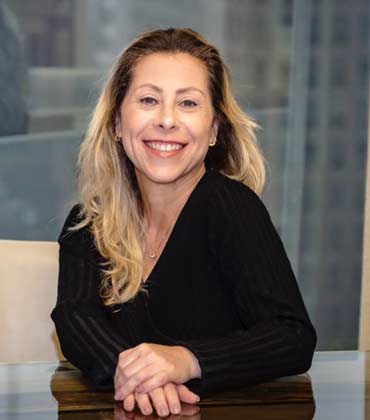
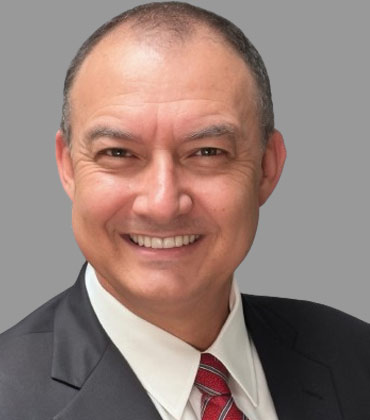
The Financial Market and Its Commitment to Diversity
Carla Zeitune, Head of HR, Banco Daycoval
Executive Search

Addressing HR Challenges in Brazil with Passion
Carolina RODRIGUEZ, Human Resources Director, McCain Foods
Organizational Development

The Power of Leadership, Internal Communication, and Well-being in Driving Sustainable Organizations
Pamela Ross Munguia, Head of People Experience & Wellbeing, Grupo Sesajal®
Organizational Development
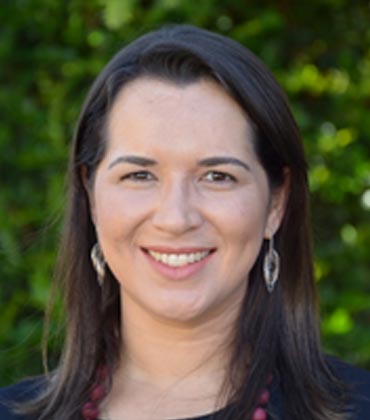
When HR Must Choose Between Bad Options
Tatiane Ballio, Human Resources Director, BrasPine
Corporate Training

Building Culture That Stays Close to the Factory Floor
Carlos Esau Torres Garcia, Head of People and Culture, Mattel
IN MY OPINION
Employee Benefit
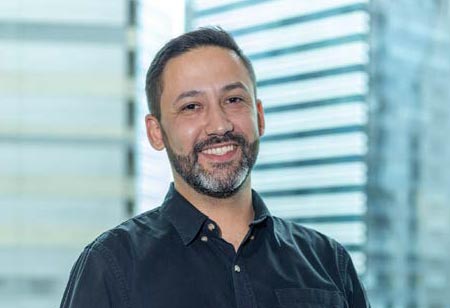
Developing Professionals, Building Predictability: HRS New Perspective on Productive Capacity
RAFAEL RIQUETTO, HR and ADM Director, SYSTRA Brazil
LAST WORD
Corporate Training
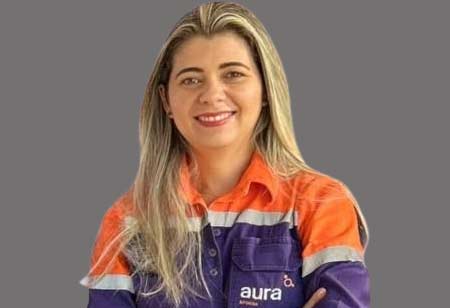
Building Culture Across Mining Operations
Isabela Franca Dumont, Head of People, ESG and Communication, Aura Minerals
IN FOCUS

Tips for Effective Temporary Staffing Management
While temporary staffing offers flexibility and can be a valuable resource for businesses, understanding and addressing its associated challenges is vital for maximizing the benefits.

Rise of Diversity and Inclusion Services in Latin America
Diversity and Inclusion in Latin America is evolving into strategic organizational priorities, driven by globalization, youth expectations, and AI technologies, fostering inclusive workplaces and addressing various societal inequalities.
EDITORIAL
Rethinking HR Strategies for a Changing LATAM Workforce
Human resource management across Latin America is undergoing a steady transformation as organizations respond to changing workforce expectations, evolving business needs and rapid technological progress. HR is no longer limited to recruitment, payroll and administrative responsibilities. HR has expanded beyond traditional responsibilities to support workforce development, strengthen workplace culture and contribute to broader business goals.
One of the key priorities for organizations across the region is attracting and retaining capable talent. Employees are placing greater importance on career development, workplace flexibility, recognition and a positive organizational culture. Companies that understand these expectations and create supportive work environments can strengthen employee engagement while building more stable and productive teams.
Technology is also reshaping how HR functions operate. Digital platforms, automation, workforce analytics and artificial intelligence can simplify routine processes, improve access to employee information and support faster decision-making. However, technology should complement human judgment rather than replace it. HR leaders still need to maintain clear communication, fairness and personal interaction when making decisions that directly affect employees.
Continuous learning is another important area of focus. As industries and job requirement evolve, employees need opportunities to strengthen existing capabilities and develop new skills. Organizations that invest in training and reskilling can prepare their workforce for changing demands while encouraging employees to pursue longer-term careers within the business.
Employee wellbeing and inclusion are equally important to a modern HR strategy. A healthy workplace requires more than competitive compensation. Employees also value respect, trust, meaningful communication and opportunities to grow. HR teams can help establish policies and practices that support these expectations while creating a stronger connection between employees and the organization.
Looking ahead, HR leaders in LATAM will need to balance technology with the human side of work. Organizations that combine data-driven decision-making with empathy, flexibility and effective leadership can build more adaptable and resilient workforces. As the regional business environment continues to change, HR will remain an important driver of how organizations attract talent, develop people and prepare for the future.

Be first to read the latest tech news, Industry Leader's Insights, and CIO interviews of medium and large enterprises exclusively from Manage HR Magazine
