
A featured contribution from Leadership Perspectives: a curated forum reserved for leaders nominated by our subscribers and vetted by the Manage HR Advisory Board.

Mattel
Building Culture That Stays Close to the Factory Floor
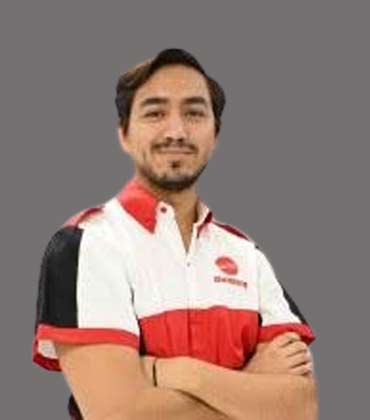
Carlos Esau Torres Garcia
Carlos Esau Torres Garcia is Head of People and Culture at Mattel, supporting people strategy within one of the company's major manufacturing operations in Mexico. His career combines manufacturing knowledge with human resources leadership, reflecting a practical approach that keeps employee development closely connected to day-to-day business needs.
Keeping Manufacturing Talent Engaged
Manufacturing organizations rarely face a shortage of technical processes. Retaining skilled employees, attracting new talent and maintaining engagement often prove more difficult, particularly when production sites compete for specialized workers in regional labor markets.
Carlos Torres Garcia works at the center of those workforce challenges. His public leadership activity focuses on hiring, welcoming new employees and creating an environment where people can build long-term careers. Hiring campaigns, internship programs and university engagement illustrate an emphasis on developing talent pipelines instead of relying solely on experienced external candidates. That approach aligns naturally with a manufacturing business where continuity often depends on preserving knowledge inside the organization while introducing new capabilities as production requirements change.
His academic background also supports that perspective. Along with his People and Culture experience, he holds a master's degree in manufacturing engineering. Understanding how manufacturing operations work helps him make people decisions that reflect the realities employees and managers face every day.
Connecting People Decisions With Business Needs
People leadership becomes more demanding when organizations operate at global scale while local teams face different labor conditions, regulations and workforce expectations.
Within Mattel, the People and Culture function supports employee experience, career development and an inclusive workplace across many countries. Carlos Torres Garcia's responsibility requires translating those broader priorities into practices that fit the needs of a manufacturing location without losing consistency in employee expectations.
Recent recruitment efforts shared through his professional channels show a consistent focus on attracting talent and connecting with potential candidates within the region. The work goes beyond filling open positions. Recruitment communications, university partnerships and internship opportunities help introduce students and early-career professionals to the organization before they begin the hiring process.
That ongoing engagement suggests a leadership style that treats hiring as a continuous relationship with the local talent market instead of a response to immediate staffing shortages.
Making Employee Experience Practical
Employee experience is often discussed in broad terms, yet its success usually depends on everyday interactions during recruitment, onboarding and career progression.
Carlos Torres Garcia's public activity consistently highlights welcoming new employees, recognizing educational achievement and encouraging professional growth. Those themes point toward an understanding that culture develops through repeated experiences rather than occasional initiatives.
His commitment to continuing education backs that perspective. Earning a graduate degree while growing in his career reflects the importance he places on continuous learning, which fits naturally with his responsibilities in People and Culture. When leaders invest in their own development, it can encourage employees to see learning and career growth as part of their own journey as well.
In a manufacturing setting, those choices have practical value. Better onboarding, stronger engagement and clearer career opportunities can help organizations build a more stable workforce, especially where technical knowledge and operational familiarity take time to build.
People leadership rarely attracts attention through a single initiative. It becomes visible through consistent hiring practices, employee development and everyday decisions that shape how work is experienced. Carlos Torres Garcia's role reflects that steady discipline. By keeping workforce priorities connected to manufacturing realities while maintaining attention on long-term talent development, he contributes to the kind of organizational culture that supports business continuity as well as employee growth.
The articles from these contributors are based on their personal expertise and viewpoints, and do not necessarily reflect the opinions of their employers or affiliated organizations.

Be first to read the latest tech news, Industry Leader's Insights, and CIO interviews of medium and large enterprises exclusively from Manage HR Magazine
