

Executive Search

Humaniq: Helping LATAM Companies Make Executive Hiring Decisions They Can Trust
Humaniq
Humaniq: Helping LATAM Companies Make Executive Hiring Decisions They Can Trust
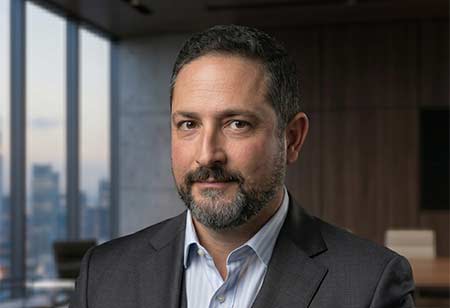
Diego Tejedo, Founder and CEO
Executive hiring decisions are not won by a strong résumé alone. Choosing the right leader influences how a company grows, manages change and moves into its next stage.

That is why technology, however advanced, cannot carry the decision by itself. AI can map talent faster. But it cannot read the unspoken context behind a role, challenge unclear expectations or understand whether a candidate can truly succeed within a company.

Since 2014, Humaniq has established itself as a leading Mexico-based boutique executive search firm by combining human intelligence with technology to help companies make smart senior hiring decisions.

“Humaniq has always been built around human intelligence first,” says Diego Tejedo, founder and CEO. “Over the last two years, AI has only strengthened that work.”

Through Humaniq X, the firm uses AI as an intelligence layer to organize market information, map talent, compare candidate evidence, identify gaps and structure scoring criteria. It can cross-reference a candidate’s CV, psychometric information, cultural expectations and leadership indicators. The consultant still makes the final call. AI simply gives that judgment more visibility, structure and precision.

The Most Important Part of a Search Happens before the Search Begins

Through its four-stage process, Discovery, Sourcing + AI, Validation and Closing + Guarantee, the firm turns an open vacancy into a clearer leadership decision. The first step is to understand what the company really needs from the person who will step into the role.

In Discovery, Humaniq works with the client to define the business objective behind the position, the KPIs that will measure success, the leadership style required, the culture the candidate will enter and the risks that could make the hire fail. Many companies know they need a leader. Humaniq helps them clarify what kind of leader the business can actually absorb, trust and follow.
BELAY: Building High-Trust Executive Assistants
BELAY
BELAY: Building High-Trust Executive Assistants
Tricia Sciortino, CEO
Small business leaders rarely struggle with knowing what to do. The constraint is having enough time to do it. Strategic decisions, partnerships and growth planning create momentum, yet much of a leader’s day gets absorbed by scheduling, coordination, inbox management and follow-ups that keep the business running but do not move it forward. Many leaders, therefore, look for fractional executive assistants who can do more than complete tasks. They need someone who can become part of the way the business operates.

What challenges do small business leaders face that BELAY seeks to address with executive assistants?

BELAY was built around that need. Instead of treating executive assistance as short-term relief, the company positions it as a way to expand a leader’s long-term operating capacity.

“Our focus is not simply on assigning an assistant, but on placing someone who understands how the leader works and can take ownership of administrative execution in a way that holds up over time,” says Tricia Sciortino, CEO.

Sciortino reveals that their secret sauce is the behavioral alignment between the leader and the executive assistant. BELAY begins by understanding how each leader operates and what responsibilities can be shifted off their plate. The evaluation examines delegation priorities, decision-making patterns and the conditions under which an assistant can succeed. Leaders describe what they sell, the industry pressures they face, their team structure and who the assistant will coordinate with across stakeholders.

Matching is an extension of that understanding. A structured, data-informed screening process identifies assistants who meet the operational requirements. From there, the focus shifts to behavioral fit. Communication style, responsiveness and work patterns are evaluated to determine whether the assistant can function within the leader’s environment.

Client-specific interviews test that alignment and multiple evaluation rounds are conducted when necessary. The goal is not to fill a role, but to transfer responsibility for administrative execution to someone who can sustain it.
Third Sector Company: Managing Nonprofit Leadership Transitions without Losing Momentum
Third Sector Company
Third Sector Company: Managing Nonprofit Leadership Transitions without Losing Momentum
Jeffrey R. Wilcox, President and Chief Mission Advancement Officer, Joan Brown, COO and Lovisa Stannow, Peer Advisor and Academy Faculty Member
While an executive transition could be viewed as a leadership crisis for a nonprofit organization, Third Sector Company approaches the situation as a pivotal opportunity in the evolution of charities, associations, and congregations. From the firm’s perspective, interim leadership is not merely a temporary HR solution but a professional discipline that helps organizations methodically turn leadership transitions into opportunities to shape their next chapter of service to the communities they serve.

How does Third Sector Company reframe nonprofit executive transitions as strategic moments for organizational evolution?

This framing carries weight in the nonprofit sector as leadership transitions unfold amid tighter funding, greater public accountability, and rising community expectations.

With fewer than 25 percent of nonprofits maintaining formal succession plans and employee turnover nearing 29 percent annually, executive departures expose gaps that can either destabilize an organization or reposition it for long-term relevance.

What role does Third Sector Company play in preparing and deploying interim nonprofit executive leadership?

“Our work centers on offering a national academy that teaches strategic transitional leadership to career nonprofit professionals and deploying our graduates as interim executives to guide organizations through deep change and toward the right long-term hire,” says Jeffrey R. Wilcox, president and chief mission advancement officer.

From the outset, the Interim Executives Academy at Third Sector Company is grounded in organizational psychology, a logic model of change management, a set of protocols, and a strong emphasis on facilitating profound processes that bring clarity to an organization’s current truth and future opportunities and risks. Today, there are nearly 700 Academy graduates located in 40 states and 3 provinces.

“Interim leaders help to unknot significant tensions in workplace culture, infrastructure deficiencies, funder compliance demands, and increasing demands by people in need that are tied into one job,” says Wilcox.

In one engagement following the departure of a long-tenured executive director, a board sought interim support to address what it perceived as weak systems and unclear protocols. While those issues were real, deeper assessment revealed that staff members felt unheard after years of limited voice in organizational decisions.
Stahl Recruiting: People-First Leadership for the Rail Industry
Stahl Recruiting
Stahl Recruiting: People-First Leadership for the Rail Industry
Andrew Stahl, Founder and CEO
While the executive search industry leans into automation and analytics, Andrew Stahl remains grounded in something rarer: the art of understanding people.

He speaks about business like a philosopher. He listens more than he talks and remembers not only what a candidate wants in their next role, but where their kids go to school and what their spouse thinks about relocating to a new city.

Stahl Recruiting, the firm he founded and leads, places senior leaders in critical roles across North America’s rail and transit sectors.

What may sound like a narrow niche is anything but. Railroads underpin the U.S. economy, moving more freight over land than any other mode of transport. Transit systems connect cities and towns, powering everything from daily commutes to regional development. In a very real sense, the people Stahl places help move the country—literally and figuratively.

But for Stahl, the mission isn’t just about logistics or leadership. It’s about doing things the right way.

“The time is always right to do the right thing,” he says, echoing Martin Luther King Jr.—not just as a quote, but as an operating principle.

It might sound idealistic, but it’s also proven to be an effective business strategy. Stahl Recruiting blends deep scholarly expertise in rail economics with a people-first leadership approach, helping clients navigate complex industry challenges with bespoke talent solutions. Under Stahl’s guidance, the company has become a model of excellence in executive search—founded on honesty, integrity, and ethics, and positioned as the go-to provider in the space.

I built this company to be trusted. You can’t fake that. You can’t shortcut it. You earn it by doing the right thing, especially when nobody’s watching


A Moral Compass, a Market Need

Stahl’s path into recruiting didn’t begin in an HR department or with a sales quota. It began in graduate school, where he was researching the transportation industry. What started as academic curiosity evolved into admiration for rail’s quiet complexity—the systems, the safety, the scale.

“I was struck by how critical it all was, and how little most people thought about it,” he recalls.

Over time, he saw a gap. While many industries had modernized their executive recruitment through dedicated firms and thoughtful succession planning, much of the rail sector still relied on word of mouth or internal promotions.

That left key roles vulnerable to misalignment, the wrong hire—or worse, no hire at all. And in a business where margins are tight and safety is non-negotiable, the cost of a misstep can be immense.

In 2014, Stahl founded his firm with a clear mission: connect top-tier leadership with mission-critical organizations—and do it with ethics at the center.

Today, his firm handles retained executive searches across Class I railroads, railcar lessors, technology vendors, infrastructure firms, and transit agencies. They don’t work at volume—they work with precision. And reputation is everything.

“I built this company to be trusted,” Stahl says. “You can’t fake that. You can’t shortcut it. You earn it by doing the right thing—especially when nobody’s watching.”

Shaping Leadership: Executive Recruitment Trends in Latin America

Organizations across Latin America are redefining their leadership priorities in response to evolving economic conditions, regulatory environments, and competitive pressures. Executive recruitment has transformed into a strategic function that goes beyond simply filling senior roles; it now plays a crucial role in shaping the long-term direction of organizations. As businesses expand across borders and industries become more interconnected, the demand for experienced leaders with both regional insights and a global perspective is on the rise.

This shift is driving the growth of specialized recruitment solutions aimed at identifying, assessing, and securing high-impact executives. The complexity of leadership hiring in Latin America is influenced by a mix of cultural diversity, economic variability, and the availability of talent. Organizations are looking for executives who can effectively navigate these dynamics while ensuring operational consistency and strategic clarity.

To meet these needs, recruitment solutions are adapting by incorporating more rigorous evaluation frameworks, enhanced market intelligence, and tailored search methodologies. This approach ensures that leadership appointments align closely with organizational objectives and the realities of the market.

Evolving Leadership Requirements across Diverse Markets

Organizations in Latin America are changing their leadership standards because they need to adapt to new business conditions. Executives must demonstrate both functional knowledge and the necessary skills to navigate through organizational changes while working with diverse cultural backgrounds. The increasing market operational complexity requires businesses to establish these essential capabilities because they need to operate in markets that present different regulatory requirements, consumer behavior patterns and economic conditions across multiple nations.

The organization has developed recruitment solutions that now meet these new requirements through their approach to detailed candidate analysis. The process involves assessing leadership style, strategic thinking skills and cultural fit together with their work history. Recruiters who use a complete method can better find candidates who will drive sustainable growth through their ability to handle local business operations. Organizations need this high level of accuracy to make effective senior position decisions because these choices will directly influence their business results.

The rise of diversity and inclusion as a priority for organizations has led to considerable changes in how they hire executives. Organizations need diverse leadership teams because these teams improve decision-making processes and create an environment that leads to new ideas. The organization has developed recruitment processes that will achieve two goals: increasing candidate diversity among applicants while decreasing potential hiring biases. The organizational shift supports business objectives while it meets social responsibility standards throughout the entire area.

Market Intelligence and Search Methodologies Driving Outcomes

Successful executive recruiting in Latin America depends on two main factors: accurate market intelligence and effective search methods. Companies need to understand three areas: talent availability, payment standards and workplace patterns to find the right candidates for their job openings. Recruitment firms enhance their research capacity by establishing methods that provide a detailed understanding of local and regional talent markets to support their hiring decisions.

Recruiters now use search techniques that combine traditional networking methods with modern data analysis methods to build better recruiting strategies. Recruiters can now create talent market maps that provide complete coverage while also discovering hidden candidates who are not currently looking for employment. Recruitment solutions achieve better results by combining qualitative data with quantitative data to develop more precise and productive outcomes.

The application of structured assessment tools improves executive hiring procedures by delivering better results. The tools provide objective evaluations of candidate skills, which decreases the need for judgment-based assessments to create dependable selection procedures. Organizations need accurate leadership potential assessment methods that will help them create responsible performance management mechanisms.

Long-Term Strategic Impact of Executive Hiring Decisions

Executive recruitment decisions impact three key areas of an organization: business strategy development, corporate culture establishment and stakeholder trust building. Leaders who operate in Latin America must understand that selecting suitable leadership for their organization will determine their success because market conditions can change unexpectedly. The recruitment solutions require organizations to address their current hiring needs while developing future leadership competencies and creating plans for leadership succession.

Organizations need to connect their hiring procedures with their company's mission because this will help them maintain leadership continuity while lowering executive transition hazards. The recruitment alignment process needs recruitment partners to work with internal stakeholders so they can create role expectations and performance metrics and establish cultural priorities together. The new leaders will benefit from improved onboarding support, which enables them to become productive members of the organization at a faster rate.

Latin America will see changes to executive recruitment because technology and workforce trends will shape its future. The search process has become faster because digital tools work better now, while remote work patterns have extended search capabilities to more distant areas. Organizations can now access leadership potential, which has expanded because of these changes.

The success of executive hiring hinges on the necessity for executives to have local knowledge relevant to their markets, including regulatory obligations and cultural customs. As businesses in Latin America expand, effective executive recruitment processes become essential for organizational development. Advanced methodologies and comprehensive market intelligence are key to creating leadership teams that ensure ongoing performance.


Future-Focused Leadership: Adapting Executive Search to Evolving Business Needs

The growing complexity of global business environments has made leadership a central factor in determining organizational success. Companies today operate in rapidly shifting markets shaped by technological progress, evolving customer expectations, and heightened competition. In this context, leadership goes beyond routine management and demands strategic vision, adaptability, and the capability to guide transformation across the enterprise.

Executive search services have become vital in helping organizations identify and secure senior-level talent capable of delivering sustained growth. By combining industry expertise, structured research methodologies, and extensive professional networks, these firms enable organizations to appoint leaders who align with their long-term strategy, culture, and performance objectives.

Evolving Leadership Expectations and Talent Market Shifts

Leadership expectations are continuously evolving as organizations respond to changing economic conditions and emerging business challenges. Companies increasingly seek executives who can lead digital initiatives, foster innovation, and manage teams across diverse and distributed environments, particularly in competitive hubs. This shift has expanded the criteria for leadership roles, placing greater emphasis on adaptability, emotional intelligence, and forward-thinking decision-making.

As a result, identifying the right candidates now requires a more comprehensive and multidimensional evaluation approach. The expansion of global talent access has significantly transformed executive hiring practices. Geographic boundaries no longer restrict organizations and can source leadership talent from international markets. While this broader access increases the availability of highly skilled candidates, it also intensifies competition for top-tier executives.

Organizations recognize that diverse leadership teams bring broader perspectives, enabling more effective decision-making and innovation. Executive search firms integrate inclusive practices into their processes to ensure that candidate selections reflect a wide range of experiences and viewpoints. The increasing demand for interim and project-based leadership is another important development in the market. Organizations undergoing transformation or facing short-term challenges often require experienced leaders for specific assignments. Executive search firms are responding by offering flexible solutions that address both permanent and temporary leadership requirements, a trend also visible in dynamic markets. In addition, employer positioning has become increasingly important in attracting senior talent. Executives evaluate opportunities based on organizational culture, growth potential, and strategic direction. Search firms help organizations communicate these strengths effectively, ensuring they attract candidates who are aligned with their vision.

Technology and Data-Driven Advancements in Executive Search

Technology is significantly enhancing the effectiveness and efficiency of executive search services. Data analytics tools enable firms to assess talent markets, identify patterns, and evaluate candidate suitability with greater accuracy. These insights support more informed hiring decisions and improve the overall quality of leadership placements.

AI is increasingly used to support candidate identification by analyzing large volumes of data on skills, experience, and career progression, thereby accelerating the search process while maintaining precision. Innovation ecosystems continue to shape how these technologies evolve within executive recruitment. Despite these advancements, human expertise remains critical in assessing leadership potential, cultural alignment, and long-term suitability, ensuring a balanced and effective evaluation process.

Digital communication tools have transformed interactions between organizations and candidates. Virtual interviews, online assessments, and collaborative platforms allow seamless engagement regardless of location, making the hiring process more efficient and flexible, which is particularly valuable in a globalized talent market where speed and accessibility are essential.

Confidentiality remains a key consideration in executive search, given the sensitive nature of senior-level hiring, as it builds trust among stakeholders and supports successful outcomes. Predictive analysis is also gaining importance in executive search. By examining historical hiring data and market trends, firms can anticipate future leadership needs and provide proactive recommendations. This forward-looking capability helps organizations prepare for evolving talent requirements and maintain a competitive advantage.

Strategic Impact and Future Opportunities in Executive Search

Executive search services provide significant strategic value by aligning leadership talent with organizational objectives. Successful placements consider not only technical qualifications but also cultural compatibility, leadership style, and the ability to drive change. This comprehensive approach reduces the risk of misalignment and supports long-term organizational stability. Leadership advisory services are emerging as a key growth area within the executive search industry.

Many firms are expanding their capabilities to include succession planning, leadership assessment, and organizational design. These services enable organizations to build internal talent pipelines while preparing for future leadership transitions, ensuring continuity and resilience. Organizations require executives who can lead change, integrate new systems, and adapt business models to evolving market conditions. Executive search firms specializing in these areas are well-positioned to meet this demand and support organizational transformation.

Organizations increasingly seek leaders who integrate environmental and social factors into strategic planning for sustainable growth. Emerging markets present strong growth opportunities for executive search services. As organizations expand into new regions, including innovation-driven economies, the demand for experienced leadership continues to rise. By leveraging both global reach and local expertise, executive search firms can connect organizations with the right talent to support expansion and long-term success.

Driving Leadership on Track: Future of Railway Executive Search Services

The railway industry, a vital backbone of global transportation infrastructure, is undergoing significant modernization and expansion. In this dynamic environment, identifying, recruiting, and retaining visionary leadership has become more critical than ever. The demand for executives who can navigate complex regulatory landscapes, implement digital transformation, oversee large-scale infrastructure projects, and manage environmental sustainability is growing across both public and private rail sectors. Railway executive search services have become a strategic necessity rather than a luxury. They play a pivotal role in sourcing industry-specific talent that can align operational excellence with innovative growth.

Factors Driving the Need for Specialized Railway Executive Search

Several factors are pushing rail operators, infrastructure firms, and government transport bodies to seek expert talent acquisition services. One major factor is the push for rail modernization. High-speed rail networks, autonomous trains, and integrated urban transit systems require senior leaders with cross-disciplinary knowledge that blends engineering, digital innovation, and environmental policy. Traditional hiring practices fail to surface candidates with this unique mix of skills and vision. Executive search providers fill a crucial gap by accessing hidden talent pools globally.

Many seasoned professionals are retiring, creating leadership vacuums in operations, safety, and infrastructure planning. Filling these roles with capable successors is crucial for maintaining continuity and upholding operational standards. The post-pandemic acceleration of smart transportation and digital ticketing solutions has shifted the skill requirements at the top level. Today's railway executives need to be as proficient in data analytics and cybersecurity as they are in track maintenance and rolling stock.

There is growing pressure on railways to meet sustainability targets, reduce carbon emissions, and adopt circular economy principles. Executives with green credentials and experience in environmental governance are in high demand. The pressures, coupled with the need for public accountability and stakeholder engagement, have transformed the landscape of railway executive hiring.

Tech Implementation and Emerging Trends in Executive Search

Technology is revolutionizing how executive search firms identify, vet, and place top talent in the railway sector. AI tools now automate candidate sourcing by scanning thousands of professional profiles, resumes, and digital footprints across platforms. ML algorithms help shortlist potential leaders based on their qualifications, leadership style, career trajectory, and cultural fit. By analyzing historical data from successful rail executives—such as their career paths, prior industry experience, and key performance indicators—search firms can anticipate which profiles are most likely to thrive in particular roles.

Virtual assessments and psychometric testing are becoming standard. Candidates participate in virtual interviews, simulations, and real-time leadership challenges that assess decision-making skills under pressure. The technology-driven screening process ensures objectivity and provides deeper insight into a candidate's suitability beyond what resumes or references alone offer. One trend gaining ground is the move toward diversity and inclusion in leadership hiring. Many railway operators across Europe, Asia, and the Americas are under increasing pressure to improve gender, ethnic, and experiential diversity at senior levels. Search firms are now mandated to include diverse slates of candidates and use blind screening tools to eliminate unconscious bias.

Future Need for Railway Executive Search

Despite technological advancements, railway executive search firms continue to face a range of challenges. Unlike the tech or finance industries, the railway industry is a niche domain, and executive talent with both domain expertise and leadership acumen is scarce. Firms often adopt a global search model, attracting diaspora professionals or executives from adjacent industries, such as aviation or energy.

Leadership progression is internal and hierarchical, which limits the openness to fresh, external perspectives. Executive search firms must work closely with clients to champion change management, highlighting the long-term benefits of bringing in diverse, future-ready talent. Confidentiality remains a critical issue. Hiring for executive positions often involves poaching top leaders from competitors or running parallel evaluations with internal candidates. Maintaining discretion while ensuring a transparent process is a delicate balance that experienced search consultants must manage.

Executive search providers must invest in continuous market mapping, build sector-specific talent databases, and maintain active relationships with potential candidates—well in advance of roles becoming vacant. They must also collaborate closely with railway boards and HR departments to co-develop competency frameworks, succession plans, and onboarding strategies. By aligning their efforts with strategic workforce planning, they become long-term talent partners, not just recruitment vendors. With advanced technology, a global reach, and a deeper understanding of the sector, railway executive search services are poised to become key enablers of growth, modernization, and sustainability in the rail transport industry worldwide.

The Strategic Evolution of Temporary Staffing
Mars
The Strategic Evolution of Temporary Staffing
Carlos Armando Duarte, Head of Talent Acquisition for Latin America

In my 10+ years in the recruitment consulting industry, I've seen firsthand how the use of contingent talent, such as freelancers, contractors, and consultants, has evolved from a mere quick fix to a strategic solution, helping companies adapt in a rapidly changing business environment.

We have seen a shift from tactical to strategic support with contingent talent. They provide access to specialized skills and experiences on demand. It allows for scalability and agility in operations. At the same time, integrating contingent workers poses challenges around effectively managing every type of associate within the organization.

Many of today’s complex business environments require specialized technical capabilities that might not be needed to be covered by permanent roles. For example, if you have a recruitment project that will have a high demand for a short period, you can bring extra help with the recruitment expertise needed. In another example, you might need to bring a cybersecurity specialist to assess vulnerabilities. Maintaining these specializations in-house may be costly. Contingent talent gives us access to in-demand skills that may be needed or that we lack internally.

We are now looking at trends where many companies use temporary assignments to evaluate talent before a permanent commitment. Contingent talent audition for permanent jobs. This provides an extended assessment to assess the overall fit with the company and leader. With today's talent market, the try-before-you-buy model has become an attractive strategy for many companies. Forward-looking organizations understand permanent and temporary associates are complementary. Working with trusted contingent talent enables overall optimization and management.

“Hiring managers need guidance and a structured process to ensure consistency in deployment and treatment of these types of associates.”

Equally important is establishing a strong system to onboard, engage, and align contingent talent with the company culture. Hiring managers need guidance and a structured process to ensure consistency in the deployment and treatment of these types of associates.

In today's dynamic talent environment, companies need to think strategically about optimizing their workforce to what makes sense to them. Adopting flexible and scalable contingent talent solutions can provide a key competitive advantage. The contingent workforce is moving from tactical to transformational, and we can all benefit from it.

The next generations of workers will help create a diverse and adaptable workforce contingent of temporary and permanent staff. We need to be prepared and better equip our teams to face this new challenge.

Connecting The Dots: 5 Keys for Maximizing Employee Feedback
Shaw Industries
Connecting The Dots: 5 Keys for Maximizing Employee Feedback
Brandon Springle, Director, Talent and Succession Planning

Businesses across the globe are still responding to the challenge of the “Great Resignation.” The volume of employees walking away from their jobs is unprecedented, and a major focus has been placed on cultural efforts to best attract and retain talent. In September, a phenomenal study entitled ‘Great Attrition’ or ‘Great Attraction’? The choice is yours was released by McKinsey & Company. This study focused on data around forecasted departures and another component of this study highlightedserious areas of misalignment pertaining to what employees value versus what employers believe that employees value. As business leaders it is our primary objective to meet the needs of our workforce and remove any barriers that inhibit their probability of optimal success.

My observations have led me to 5 specific keys that can be connected to drive an innovative and sustainable approach. These keys unlock the full potential of the employee experience and provide a stable foundation to launch your talent attraction strategy. See the below keys for more information:

1.Psychological Safety – Understanding and Measuring

2. Surveying Strategy– Collect and Assess

3. Authentic Storytelling – Craft and Communicate

4. Building the Bridge – Reflect and Connect

5. Brand Ambassador – Engage and Promote

"The incongruity of what employees want in their work environment and what employers think they want, is a catalyzing disparity that may lead to troubling outcomes."

Psychological Safety:

My introduction to psychological safety began with an in-depth review of "The 4 Stages of Psychological Safety" by Dr. Timothy Clark. This book has the basis that there are four critical areas of psychological safety to include; inclusion safety, learner safety, contributor safety, and challenger safety. For this article specifically I would like to focus on Dr. Clark’s definition for psychological safety. Dr. Clark defines psychological safety in four words;an environment of rewarded vulnerability. This was the first dot I was challenged to connect as it became increasingly clearfor employees to provide transparent feedback, they most certainly would need to feel safe to do so. Providing feedback of this nature is a significant act of vulnerability that must be handled with the utmost care.

Surveying Strategy:

As we navigate the digitization of global marketplace, we find innovative ways to gather insights and analyze data to understand the depths of organizational strengths and weaknesses. There are a variety of surveying tools that I would recommend for this key to include; census surveys, pulse surveys, instantaneous feedback surveys, and live surveying in alignment with targeted focus groups. Having a defined surveying strategy after ensuring that psychological safety is being monitored will open the feedback channels in a major way.

Authentic Storytelling:

Storytelling has become a more in-demand skill as it serves as a major connecting force from message to mind. After proper evaluation of data and insights you are left with measurable truths. Those measurable truths are the backbone of your cultural story, and the positive elements should be highlighted. Review the surveying trends that promote positive effects to determine what must be protected. When surveying we also run into negative or constructive trends that need to be addressed. If we do not address these trends, a signal is sent to the workforce that they are not being heard. The incongruity of what employees want in their work environment and what employers think they want, is a catalyzing disparity that may lead to troubling outcomes. Crafting and communicating an authentic story is essential to foster a connected culture.

Building the Bridge:

Once you have crafted your authentic story based on data insights, you must find a platform to share your findings for purposes of calibration. The platform can be atown hall, team huddle, digital newsletter, or some other mechanism used to communicate pertinent information. Calibration is a critical element and having a feedback loop embedded in any platform used is essential. This key connects back to the need for psychological safety to build the bridge with transparency. It is also wise to have a targeted communication strategy as you navigate complextopics and make provisions to incorporate an agile response plan should the need arise. Always follow up to close the loop on feedback received as the focus in this key is building enduring trust consistently over time.

Brand Ambassador:

Once you have effectively navigated the first four keys, you are in prime position to create a brand ambassador program. This program could be considered as a reimagining of the employee referral process that is directly connected to the employer brand and positive attributes of the work environment. Creating promoters internally provides a new avenue to recruit talent in a grass roots way via word of mouth, yet still allow social media channels to serve as an attraction accelerator. By communicating and leveraging connected platforms, you have positioned yourself to drastically improve the quality of your candidate pool. Brand loyalty is strengthened by a continued commitment to replicate the above listed keys anddrive a “people first culture.” The last and most critical piece of the brand ambassador strategy is closely aligning the employee experience to the customer experience to maximize brand impact and realize an overall increase to customer satisfaction.

The Future of Talent Development: Embracing Technology for Scalable and Impactful Learning
Swift Transportation
The Future of Talent Development: Embracing Technology for Scalable and Impactful Learning
Rebecca Tooley, Vice President, Corporate Learning & Talent Strategy

Rebecca Tooley, Vice President of Corporate Learning and Talent Strategy at Swift Transportation, brings over 20 years of experience in learning and development. She leads teams to higher performance with proven results, specializing in leadership and organizational development, curriculum creation, digital learning, performance management, culture and inclusion, employee onboarding, and succession planning. Rebecca has provided talent and organizational development strategies for companies in healthcare, sales, higher education, and transportation.

Leveraging Learning Technologies For A Dynamic Workforce

We have integrated learning technologies into our talent development programs, offering employees the flexibility and accessibility necessary for effective on-the-go learning through our Learning Management System (LMS). In the transportation industry, continuous access to relevant training is vital—not just for safety, but also for equipping employees with essential problem-solving skills. This is especially important in our fast-paced environment, where challenges can arise unexpectedly. By fostering a culture of just-in-time learning, we enable our workforce to stay informed, responsive, and ultimately more efficient in their roles.

Alongside foundational leadership development, it’s crucial to implement adaptable frameworks tailored to the unique needs of leaders across the organization. Regular feedback from participants and stakeholders helps identify areas for improvement, enabling us to refine programs and address specific departmental challenges. By incorporating technology solutions, we enhance leadership skills and create an environment where leaders can effectively inspire and develop their teams.

Personalizing Learning Paths While Ensuring Scalability

In our diverse workforce, it’s essential to create personalized learning paths that cater to individual skills, experiences, and career aspirations. At the same time, we must ensure that our learning solutions are scalable and cost-effective to benefit the organization. Achieving a balance between mandatory compliance and safety training—critical for organizational integrity—and developing soft skills, such as communication, teamwork, and emotional intelligence, requires strategic thought. This balance is key to our curriculum design, which promotes continuous learning and empowers employees to thrive while adhering to safety protocols and regulations. We aim for a curriculum that is both comprehensive and dynamic, adapting to the evolving needs of our workforce and industry.

“By Combining Business Acumen, Risk Management, And Cultural Awareness, You Can Create HR Technology Strategies That Not Only Address Immediate Needs But Also Strengthen The Long-Term Health And Effectiveness Of Your Organization”

Measuring ROI: The Kpis That Matter Most

To ensure a strong return on investment (ROI) in talent development, we track several key performance indicators (KPIs), including employee engagement, the effectiveness of training programs, and the correlation between learning initiatives and improved job performance—especially knowledge transfer. We also assess retention and promotion rates, as well as the impact of training on productivity. Monitoring these metrics provides valuable insights into the effectiveness of our development strategies, enabling us to make informed decisions that enhance our programs and drive organizational success.

The Evolution Of Technology In Learning & Development

The role of technology in corporate learning and development is rapidly evolving, and we anticipate significant changes over the next 3 to 5 years. One of the most notable trends is the growing integration of artificial intelligence (AI) into training frameworks. We are exploring various AI applications, not just to enhance operational efficiency but also to leverage data-driven insights for personalized learning experiences.

This technological evolution is set to transform employee training and development. For example, AI can facilitate the creation of customized learning pathways that adapt to individual needs, preferences, and performance metrics. By harnessing data, companies can make informed decisions about the most effective training programs, pinpoint skills gaps, and ultimately drive better business outcomes. AI-powered analytics tools also allow organizations to monitor engagement and progress in real time, enabling timely interventions and continuous improvement.

As we embrace these advancements, the focus will shift towards creating an agile learning environment that addresses immediate organizational needs while fostering long-term employee growth and adaptability in a constantly changing business landscape.

Advice For Future HR Tech Leaders

For those aspiring to make a meaningful impact in HR technology, my key advice is to first understand the fundamentals of your business. Get a deep understanding of how your organization generates revenue, so you can align HR technology initiatives with business goals. This ensures that your efforts contribute to the overall success of the company.

It’s also essential to assess organizational risks. Understand the challenges your business faces—whether related to compliance, employee engagement, or talent retention. This knowledge will empower you to develop technology-driven solutions that mitigate those risks.

Lastly, immerse yourself in your company’s culture and norms. By understanding these elements, you can introduce HR technologies that resonate with both employees and management, ensuring that new tools and processes are met with acceptance and enthusiasm. By combining business acumen, risk management, and cultural awareness, you can create HR technology strategies that not only address immediate needs but also strengthen the long-term health and effectiveness of your organization.

Executive Search Info

Q1
What Do Top Executive Search Firms Do for Organizations?
Top Executive Search Firms help organizations identify, assess and recruit senior leaders for critical leadership roles. Their work typically focuses on C-suite executives, board members, division heads and other high-impact leadership positions that shape long-term business direction. Unlike standard recruitment firms, executive search providers conduct targeted outreach, leadership evaluation and market mapping to identify candidates with the right experience, cultural alignment and decision-making capability. Many Top Executive Search Firms also support succession planning, leadership consulting and executive assessment services. In industries facing talent shortages or rapid transformation, these firms help organizations reduce hiring risk and improve leadership continuity across complex business environments.
Q2
Why Are Top Executive Search Firms More Important Today?
Organizations are navigating leadership challenges tied to digital transformation, globalization, workforce shifts and changing business models. Top Executive Search Firms are becoming more important because companies increasingly need executives who can guide growth, manage uncertainty and lead distributed teams effectively. The executive search market has also evolved beyond traditional hiring models. Firms now evaluate leadership adaptability, industry expertise, communication style and long-term fit rather than relying only on resumes or title history. Demand has also increased for executives with experience in areas such as AI, cybersecurity, analytics and organizational change. Manage HR’s executive search coverage reflects how companies are treating leadership recruitment as a strategic business priority rather than a transactional hiring activity.
Q3
How Should Enterprises Evaluate Executive Search Firms?
Enterprises should evaluate executive search firms based on industry specialization, search methodology, leadership assessment capability and track record for executive placements. Sector expertise matters because leadership requirements differ significantly across industries such as healthcare, manufacturing, financial services and technology. Decision-makers should also examine how firms approach candidate research, confidentiality and cultural alignment. Many organizations prioritize firms that offer advisory support throughout the hiring process rather than simply presenting candidate lists. Global reach may also be important for multinational hiring initiatives, particularly when organizations need leadership talent across North America, Europe or APAC markets. The strongest executive search providers typically combine relationship networks, market intelligence and structured evaluation processes to improve hiring quality and leadership retention.
Q4
What Business Value Do Executive Search Firms Deliver?
Executive leadership decisions have a direct impact on business performance, workforce stability and long-term strategy. Executive search firms help organizations reduce the cost and disruption associated with failed executive hires by improving candidate alignment and leadership fit. For many businesses, the value extends beyond recruitment alone. Search firms often provide insight into compensation trends, leadership availability, succession readiness and talent competition within specific sectors. Organizations also rely on executive recruiters during periods of transformation, mergers, expansion or restructuring when leadership quality becomes especially important. Top Executive Search Firms can also help companies access passive candidates who are not actively applying for roles but may be open to strategic leadership opportunities through trusted industry relationships.
Q5
How Are Technology and Leadership Analytics Influencing Executive Search?
Technology is changing how executive search firms identify talent, evaluate leadership capability and manage candidate engagement. Data-driven research, talent intelligence platforms and digital assessment tools are helping firms improve precision in executive hiring. Many executive search providers now use analytics to evaluate leadership competencies, communication style and long-term organizational fit. Digital tools also help firms expand candidate networks across industries and geographic markets while improving search efficiency. At the same time, executive recruitment remains highly relationship-driven. Technology supports the process, but leadership hiring still depends heavily on human judgment, industry knowledge and executive credibility. The most respected firms balance data-backed evaluation with personalized leadership assessment and advisory expertise.
Q6
What Should Organizations Prioritize When Comparing Top Executive Search Firms?
Organizations comparing Top Executive Search Firms should prioritize alignment between business goals and leadership strategy. A strong search partner should understand organizational culture, growth objectives and the leadership traits required for long-term success. Enterprises should also assess communication transparency, search timelines, candidate quality standards and post-placement support. Firms with specialized industry expertise may offer stronger insight into leadership trends, compensation expectations and competitive hiring conditions. The most effective executive search relationships are built on trust, discretion and strategic understanding rather than transaction volume alone. As leadership expectations continue to evolve, organizations increasingly value search firms that can combine market intelligence, executive advisory capability and consistent candidate quality across leadership functions.
Take Me Top