




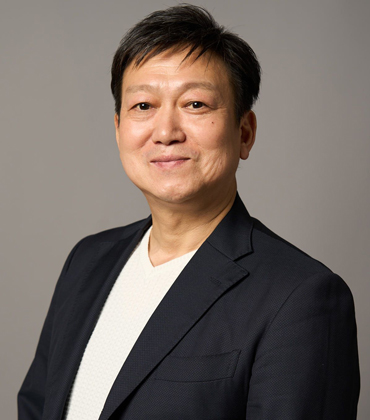
 Shogo Arita, CEO
Over the years, Shogo Arita, CEO of MADOKA, has watched organizations struggle to answer this question objectively. That lack of clarity lies behind many of the challenges leaders face today, including high employee turnover, poor hiring decisions and transformation initiatives that never reach their goal.
MADOKA addresses that uncertainty through a communication training methodology rooted in cognitive science. It trains managers to understand how employees think, communicate and respond differently, then teaches them to choose the right words that resonate with each person. By making that communication part of everyday management, it helps leaders to create a more open workplace and shape the culture they want.
Ways of Seeing
The central philosophy guiding MADOKA is “inner brain dialogue,” the internal language people develop through their experiences and memories to interpret the world. It shapes how they process information, decide under pressure and communicate with others.
Since each person uses different language in that inner brain dialogue, people can interpret and approach the same situation differently. MADOKA trains leaders to treat those differences as an asset rather than friction.
“People come to feel that their individual differences are resources. This transformation not only changes leadership but also creates a vibrant workplace,” says Arita.
From Reading Employees to Leading Them
Traditional approaches like engagement surveys, personality assessments and leadership evaluations can measure individual traits or current conditions. What these tools may not predict is whether that person will actually fit the company’s culture or stay there.
MADOKA uses iWAM® to close that gap. The diagnostic sits at the center of the company’s methodology, creating a visual profile of an individual’s thinking and behavioral tendencies, including how they communicate, make decisions and approach different types of work.
-
People come to feel that their individual differences are resources. This transformation not only changes leadership but also transforms the workplace.
The next step involves turning those insights into communication. MADOKA first guides managers to create psychological safety for employees by finding common ground, matching their pace and tone or mirroring their posture. This groundwork matters since employees engage more honestly once they feel understood. Only then do managers adapt their language to the communication pattern that resonates with each employee’s inner brain language. The goal is to make change feel understood and self-directed rather than imposed.
The iWAM® insights also guide work assignment. Someone with a strong problem-solving tendency may thrive when that strength is central to the role, while a more reflective thinker is given the time and space to analyze before acting.
Happy Employees, Better Results
The result is an organization where leaders make more informed hiring and development decisions, employees land in roles that match their natural strengths and cognitive differences drive collaboration and innovation instead of conflict.
One Japanese IT company put this to the test, running iWAM® diagnostic and coaching with one team while leaving another unchanged. The untrained group kept losing 25 to 30 percent of its people. The trained group’s turnover fell from 30 percent to zero over seven years, with performance up nearly 20 percent. The results were strong enough that the company incorporated iWAM® diagnostics into its hiring process.
That advantage only grows sharper as AI enters the picture. AI can gather information and generate answers at remarkable speed, but competitive advantage depends on asking questions(= prompts) others fail to consider. Those questions only emerge when people with different inner brain dialogues work through problems together, which is exactly the environment MADOKA trains leaders to build.
Guided by its mission of “helping people find happiness at work,” MADOKA is now expanding its diagnostic and communication methodology across Asia-Pacific and will begin pilot implementations with the Japanese subsidiaries of Asia-Pacific companies. Along the way, it is helping organizations understand the differences within their teams, communicate across them and use that diversity for stronger collaboration. What eventually follows is a culture that managers can see clearly and shape deliberately.

