
A featured contribution from Leadership Perspectives: a curated forum reserved for leaders nominated by our subscribers and vetted by the Manage HR Advisory Board.

Explore Edmonton Corporation
Building Better Workplaces Through Employee Experience
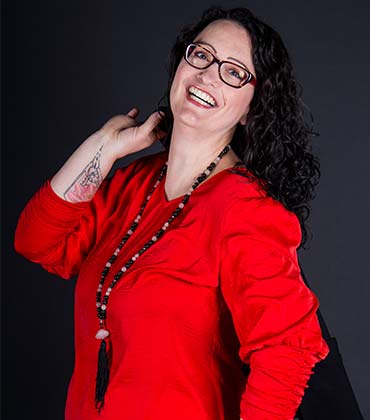
Valerie Gilbert
Valerie Gilbert is Director of People & Culture at Explore Edmonton Corporation, leading people strategy, talent development and organizational culture. With a background spanning HR, coaching and change management, she fosters inclusive workplaces, meaningful employee engagement and strong organizational culture through people-first leadership.
Leading with Employee Experience
Throughout my career in human resources and organizational development, my approach has been shaped by three core principles: making an impact, doing the right thing and staying connected to people.
For me, impact is about the everyday moments that shape employee experience. A conversation, decision or being present during a difficult moment can have a lasting effect. In People & Culture, the real work is choosing where we can have the greatest impact and being transparent about priorities.
Transparency and authenticity also shape how I lead. Acknowledging difficulties builds trust and resilience, helping us move forward together. Last year, after a traumatic event affected one of our teams, I arranged on-site counseling, stayed with the team and communicated the news with empathy and care. Those moments reinforce that People and Culture is not only about programs but showing up when it matters most. The most important leadership work often happens beyond scorecards and plans.
I believe a positive employee experience leads to stronger engagement, collaboration and service. These principles have guided me for more than 20 years in HR, reinforcing my belief that when people feel supported and valued, they can accomplish extraordinary things.
Supporting Growth through People and Leadership
At Explore Edmonton, we ensure we have the right people, support and structure to deliver at scale. An example was KDays, Edmonton’s largest summer fair. Following COVID, we had just six weeks to relaunch a scaled version of the event, requiring rapid workforce planning, hiring and onboarding.
Our People and Culture team created a centralized “war room” to coordinate hiring and onboarding, brought in temporary resources and remained on site to resolve issues. That experience changed how the organization viewed People and Culture, from a support function to a strategic partner in delivering large-scale events.
Since then, we have supported leaders by listening and connecting them with tools to lead effectively. When employees feel supported and connected, it influences how they engage with clients, partners and visitors.
As expectations evolve, organizations must adapt what they deliver and how they operate internally. Building organizational agility requires clear roles, alignment and leaders who can navigate change. This year, we launched ELEVATE, our internal leadership program, to strengthen communication, decision-making and change leadership. The program provides a framework aligned with organizational priorities.
“People and Culture is not only about programs. It is about showing up when it matters most.”
Creating Belonging through Intentional Leadership
For me, creating belonging has always been deeply personal. I have seen the difference it makes when employees feel safe enough to be themselves, share their ideas and know their voice matters. Meaningful moments come from seeing employees contribute confidently and connect with their team and purpose.
People do their best work when valued for who they are, not just their role. Creating that sense of belonging is about leaders’ choices, conversations, opportunities and the environment we build.
With that goal in mind, my work in equity, diversity and inclusion has evolved from building awareness to intentionally shaping culture. At the end of 2020, I initiated our first EDI training for the Executive team, followed by the creation of our first EDI Council. In 2023, we expanded this work through a Culture and Engagement strategy and committee, connecting inclusion and engagement more closely to employee experience.
This year, based on organizational maturity and employee feedback, we brought these groups together into a single Culture and Belonging Committee. Throughout that evolution, I remained an advisor, aligning the work with our people strategy. The structure created clearer priorities and shared accountability while providing employees with greater opportunities to contribute and see themselves reflected in the work.
That approach has also strengthened our commitment to Indigenous reconciliation and learning. We formalized the National Day for Truth and Reconciliation as a statutory holiday and have offered Indigenous Cultural Awareness Training since 2022. Measurement remains important through our Employee EDI Sentiment measure, tracked through our employee engagement survey for more than three years, with results consistently above 80 percent.
Reimagining the Role of HR
One of HR’s biggest shifts is moving away from transactional and reactive practices. Organizations today need HR to be proactive, connected and focused on employee experience. People initiatives should align with broader strategies because employees experience the workplace as a whole. While structure matters, we cannot lose sight of the human experience behind the process. Meaningful change comes from deliberate choices about what impacts employees.
My advice to emerging HR leaders is to stay grounded in people and remember why you chose this profession. Listen, build relationships and understand employees’ experiences because those connections will guide better decisions. Being open builds trust and creates a culture where people feel safe to share ideas and navigate change together.
Resilience builds over time. There will be challenging moments, but take it one day at a time and continue moving forward. Most importantly, stay connected to the business. HR creates the greatest impact when it is aligned with organizational priorities and helps leaders deliver results. Connecting people strategy to business outcomes creates stronger cultures and lasting value.
Beyond my role, I stay connected to the industry and invest in my development. Through the Convention Centers of Canada HR Group, I collaborate with peers and share best practices. I have completed project management training, am completing a Change Management diploma and continue to give back through volunteer work. Continuous learning helps me bring new perspectives and solutions to the people and organizations I serve.
Looking back, I am most proud of the people who have grown into leaders, teams that have worked through challenges together and moments when employees felt supported. Those experiences remind me why I chose this profession.
My leadership style is rooted in authenticity and a belief in people’s potential. I approach challenges with energy and optimism while building meaningful connections and celebrating successes. Leaders who bring compassion, humility and joy to their work can create cultures where people feel valued and supported.
People and Culture is ultimately about people, and helping individuals and organizations succeed together remains the most rewarding part of the work.
The articles from these contributors are based on their personal expertise and viewpoints, and do not necessarily reflect the opinions of their employers or affiliated organizations.

Be first to read the latest tech news, Industry Leader's Insights, and CIO interviews of medium and large enterprises exclusively from Manage HR Magazine
