
A featured contribution from Leadership Perspectives: a curated forum reserved for leaders nominated by our subscribers and vetted by the Manage HR Advisory Board.

Bechtel Corporation
Where Talent Strategy Meets Business Priorities
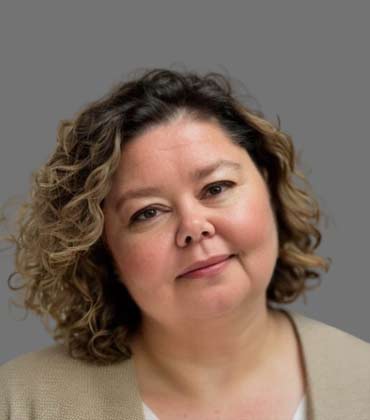
Valeria Peters
After more than 20 years in human resources, one lesson continues to guide my work: meaningful talent and organizational development start with understanding where the business is headed and what people need to thrive. My career has taken me across talent management, learning and development organizational effectiveness, succession planning, coaching and change management. In each area, my focus has been the same—helping organizations prepare for what’s next while creating real opportunities for employees to grow and succeed. More recently, I have concentrated on connecting enterprise talent strategies to long-term business priorities so that development programs deliver value for both employees and the organization.
My background in industrial and organizational psychology, along with certifications in executive coaching, team coaching, psychometric assessments, agile HR and change management, has shaped how I approach this work. Data matters, but so does understanding how people think, respond and grow. That is why I do not see talent development as simply an HR program. I see it as a business capability—one that helps organizations stay resilient, adapt to change and prepare for the future.
One of the biggest shifts I see in talent management is the move toward skills-based strategies. Organizations are realizing that job titles and credentials tell only part of the story. What matters just as much is what people can do today and what they have the potential to learn. A skills-based approach gives organizations a clearer view of the capabilities they have, the gaps they need to close and the talent they can develop from within. It also creates more opportunities for employees whose experience may not fit a traditional career path. Putting this into practice means building a shared language around skills and connecting those skills to hiring, development, performance, mobility and succession. Throughout my career, I have supported talent reviews, succession planning, leadership development and assessment programs that bring current capability and future potential into focus. This work has shown me that a skills-first approach can help an organization respond more quickly to change while giving employees greater visibility into where they can grow—and that is where much of our focus is today.
“Talent development is not simply an HR program. It is a business capability—one that helps organizations stay resilient, adapt to change and prepare for the future.”
Coaching, mentoring and leadership development are just as important when building a strong leadership pipeline. Formal training can introduce new ideas and tools, but coaching and mentoring help leaders apply what they have learned when the stakes are real. Coaching creates space for reflection, greater self-awareness and lasting changes in behavior. Mentoring adds practical guidance, shared experience and access to broader professional networks. Together, they help turn leadership concepts into everyday habits.
My own leadership philosophy has been shaped by my experience as an executive coach and by using assessments such as hogan, insights, the five behaviors of a team and emotions and behaviors at work. These tools give leaders a chance to pause and better understand how they show up—the strengths they can lean into, the patterns that may get in their way and the impact they have on others. Again and again, I have seen the strongest leadership growth occur when assessments and coaching are paired with mentoring, stretch assignments and opportunities to practice in real business situations. Insight is valuable, but applying it is what makes the difference.
When I design talent programs to support organizational change and employee development, I start with a simple question: What does the business need to achieve and what will help people get there? The strongest programs connect business priorities, leadership expectations, workforce capabilities and culture. Throughout my career, I have partnered with leaders to understand challenges, design practical solutions, measure results and improve programs based on employee feedback and performance data. I have also learned that people are more likely to embrace change when they understand the reason behind it, can see what it means for them and have a meaningful role in making it work. Lasting change happens when organizational priorities and employee aspirations move forward together.
Looking ahead, AI and other emerging technologies will change how organizations identify, develop and connect talent to opportunity. The possibilities are exciting, but I believe technology should strengthen human development—not replace it. AI can help identify skills, personalize learning, reveal workforce trends and make development opportunities easier to access. At the same time, empathy, coaching, judgment, trust and relationship-building remain deeply human. The organizations that succeed will be the ones that use technology thoughtfully: improving speed and insight without losing the personal connections that help people feel valued and supported. For HR, that means keeping people at the center of every talent decision, even as the tools around us continue to evolve.
The articles from these contributors are based on their personal expertise and viewpoints, and do not necessarily reflect the opinions of their employers or affiliated organizations.

Be first to read the latest tech news, Industry Leader's Insights, and CIO interviews of medium and large enterprises exclusively from Manage HR Magazine
