
A featured contribution from Leadership Perspectives: a curated forum reserved for leaders nominated by our subscribers and vetted by the Manage HR Advisory Board.

Daikin Comfort
The Future of Talent is Built, Not Filled
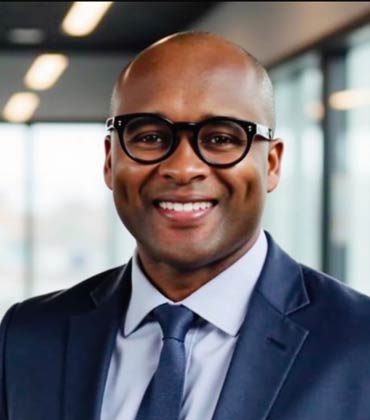
Tromy E Batiste SR
1. Aligning Talent Strategy with Business Performance
Talent strategy creates value when workforce capability becomes a competitive advantage.
I believe organizations often view talent development as an HR initiative when it should be viewed as a business strategy. The most effective companies directly connect leadership capabilities, workforce skills and succession readiness to enterprise objectives.
My approach is to start with the business strategy and work backward. If the organization is focused on growth, operational excellence, digital transformation, or market expansion, we must identify the capabilities required to execute that strategy and build them intentionally. Talent investments should not be measured by training hours; they should be measured by business outcomes such as productivity, retention, internal promotion rates, leadership readiness and organizational agility.
A key differentiator is linking performance, potential and development decisions. High-potential employees should receive development experiences that prepare them for future business challenges, while leaders are held accountable for developing talent pipelines that support long-term growth. Organizations that make this connection well create stronger leadership continuity, improve strategic execution and reduce dependence on external hiring.
2. Building Equitable and Engaged Workforces Through Strategic Talent Management
Equity creates trust, trust drives engagement and engagement drives performance.
Engagement and equity are not separate initiatives; they are outcomes of an effective talent management system.
Employees are most engaged when they understand what success looks like, believe opportunities are accessible, receive meaningful development and trust leadership decisions. Strategic talent management helps organizations create consistency and fairness across hiring, performance management, succession planning and career development.
“Talent architecture enables organizations to futureproof their workforce while creating meaningful career opportunities for employees.”
An equitable workforce is built when organizations establish clear competency models, transparent development pathways and objective talent review processes. Enterprise-wide calibration discussions and structured assessments help reduce subjectivity and ensure talent decisions are based on demonstrated performance and potential rather than visibility or proximity to leadership.
Engagement rises when employees can see a future inside the organization. Internal mobility, career pathing, mentorship and leadership sponsorship signal that the company is willing to invest in its people. When employees believe they have opportunities to grow, retention improves, performance improves and organizational culture strengthens.
3. Developing Leaders Who Strengthen Employee Engagement and Workplace Culture
Great cultures are built by great leaders and great leaders are developed intentionally.
Culture is shaped less by policies and more by leadership behavior.
Employees experience culture through their direct leaders every day. A leader\'s ability to communicate, coach, recognize, develop and inspire employees has a greater impact on engagement than almost any program an organization can implement.
Therefore, leadership development must extend beyond operational skills and functional expertise. Future leaders must demonstrate emotional intelligence, enterprise thinking, inclusive leadership, accountability and the ability to build high-trust relationships.
One of the most important leadership capabilities today is creating connection. Employees want to understand how their work contributes to broader organizational goals and they want leaders who invest in their growth. When leaders consistently provide development opportunities, meaningful feedback and career coaching, employee engagement increases naturally.
Organizations that intentionally develop these leadership capabilities create stronger cultures, lower turnover, higher productivity and better customer outcomes. Leadership effectiveness is one of the strongest predictors of long-term organizational success.
4. Integrating Talent Development, Revenue Strategy and Organizational Effectiveness
Revenue strategy determines where the business is going; talent strategy ensures the organization can get there.
Historically, revenue strategy and talent strategy were often discussed separately. Today, they must be integrated.
Every revenue goal ultimately depends on having the right talent, in the right roles, with the right capabilities. Whether an organization is pursuing growth, improving customer experience, accelerating innovation, or expanding into new markets, workforce capability becomes a critical enabler.
The most effective organizations align their talent planning process with business planning cycles. As revenue strategies are developed, leaders simultaneously evaluate workforce capability, succession depth, skill gaps, leadership readiness and future talent requirements.
For example, if the organization plans significant market growth, talent development efforts should focus on leadership scalability, sales capability, operational readiness and succession planning. If digital transformation is a strategic priority, investments should prioritize reskilling, change leadership and innovation capabilities.
Organizational effectiveness improves when talent decisions are driven by business priorities and when leaders understand that talent is not a support function but a fundamental driver of execution and results.
5. Preparing the Workforce for Changing Business Needs
Talent management focuses on today's workforce; talent architecture prepares the workforce for tomorrow.
The future of HR is moving beyond talent management toward talent architecture.
Traditional talent management focuses on filling roles, managing performance and succession planning. Talent architecture takes a broader view by designing the workforce around future business needs, capabilities and skills.
As technology, automation, AI and market conditions continue to evolve, organizations can no longer rely solely on job-based workforce planning. Instead, they must understand the critical skills that drive business value and continuously re-deploy, reskill and develop talent accordingly.
This requires a shift toward skills-based workforce planning, agile career pathways, stronger internal mobility and deliberate leadership pipeline development.
Organizations must anticipate future capability needs rather than react to talent shortages after they occur.
Companies that successfully build talent architecture create a workforce that is more adaptable, more resilient and more prepared for disruption. They can respond more quickly to market opportunities because their talent systems are designed for flexibility rather than stability alone.
Ultimately, talent architecture enables organizations to future-proof their workforce while creating meaningful career opportunities for employees. This approach transforms talent from a resource to be managed into a strategic asset that drives sustained business performance.
The articles from these contributors are based on their personal expertise and viewpoints, and do not necessarily reflect the opinions of their employers or affiliated organizations.

Be first to read the latest tech news, Industry Leader's Insights, and CIO interviews of medium and large enterprises exclusively from Manage HR Magazine
