
A featured contribution from Leadership Perspectives: a curated forum reserved for leaders nominated by our subscribers and vetted by the Manage HR Advisory Board.

Cowan Systems, LLC
Strengthening Business Performance through Strategic HR Leadership
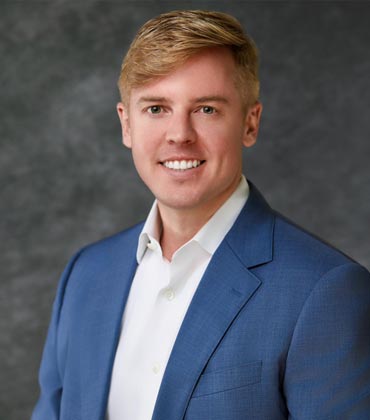
Tom Branning
Building People Strategies around Operational Needs
I believe HR is most effective when we're fully integrated into the business, not operating as a separate support function. In transportation and logistics, that means understanding the day-to-day realities of our operations, the challenges our leaders face, and what our employees need to be successful.
A critical part of our role is developing scalable, consistent, and equitable human capital processes that evolve alongside the business, ensuring our people strategies keep pace with organizational growth, change, and transition. I spend a great deal of time partnering with operational leaders to anticipate future needs, challenge ideas, and develop practical solutions that support both our employees and the business.
When HR is truly integrated into the business, we're not simply responding to change. We're helping build the people infrastructure, leadership capabilities, and organizational foundation needed to support long-term success.
Strengthening Culture through Trust and Recognition
I've always believed that workplace culture isn't created by HR programs or initiatives alone; it's built through the everyday experiences employees have with their leaders and one another. Strengthening that culture starts with listening to our employees, understanding what matters to them, and turning their feedback into meaningful action.
We focus on equipping our leaders with the tools, coaching, and support to communicate openly, recognize contributions, build trust, and create an environment where employees feel valued and respected. We're also intentional about creating engagement opportunities that celebrate not just individual accomplishments but team successes, bringing people together across departments, strengthening relationships, and building a greater sense of connection and cohesiveness.
Ultimately, employee engagement shouldn't simply be about connecting employees to the company; it should be about connecting employees to one another, building relationships, and creating a workplace where people genuinely enjoy being part of something bigger than themselves.
Retaining Talent through Leadership and Development
Retention starts long before an employee considers leaving, and I believe organizations need to be just as intentional about keeping great people as they are about recruiting them. Competitive compensation and benefits matter, but so do present, engaged leaders who genuinely care about their employees, recognize their contributions, and create an environment where people feel supported.
“When HR is truly integrated into the business, we're not simply responding to change. We're helping build the people infrastructure, leadership capabilities, and organizational foundation needed to support long-term success.”
HR needs to be consistent and proactive in measuring employee engagement and satisfaction, maintaining regular outreach, and identifying turnover trends to better understand why employees stay, why they leave, and where we have opportunities to improve.
Equally important is establishing clear career paths, investing in employee development, and providing a visible trajectory for growth so employees can envision a long-term future with the organization. Ultimately, the goal isn't simply to reduce turnover; it's to create a workplace where employees feel valued, see opportunities ahead of them, and genuinely want to build their careers.
Turning Accountability into Employee Ownership
I think one of the biggest opportunities HR leaders miss is that we spend too much time helping managers manage processes and performance, and not enough time helping them become great leaders of people.
My approach is to be an accessible, trusted partner who provides practical guidance, honest feedback, and coaching that helps leaders bring out the best in their teams. I especially believe in coaching managers to lead through influence rather than simply direction, empowering employees to think and act like business owners who take pride in their work and feel personally invested in the organization's success.
When employees understand the bigger picture, feel ownership over outcomes, and see how their contributions drive success for themselves, their teams, and the company, accountability becomes something they embrace rather than something that needs to be enforced. When we help leaders inspire that sense of ownership and shared purpose, we create more engaged employees, stronger teams, and a culture where everyone feels personally invested in winning together.
Learning the Business beyond the HR Function
My biggest advice is to learn the business just as well as you learn HR, because that's what will truly set you apart and earn you a seat at the table as a trusted business partner. In an age where information on policies, regulations, and compliance is available at our fingertips, the real differentiator is an HR leader who deeply understands the business, its challenges, its people, and where it's headed.
When organizations are looking for their next HR leader, they're not simply looking for a policy or compliance expert; they're looking for someone who understands the business, can influence its direction, support its leaders, and help its people succeed. Be comfortable not having all the answers immediately, and don't shy away from challenging the status quo or having difficult conversations with leaders, as long as you approach them with humility, curiosity, respect, and a willingness to listen.
Above all, stay approachable, lead with empathy, and remember that HR expertise establishes your credibility, but understanding the business and earning the trust of its people is what makes you an invaluable leader.
The articles from these contributors are based on their personal expertise and viewpoints, and do not necessarily reflect the opinions of their employers or affiliated organizations.

Be first to read the latest tech news, Industry Leader's Insights, and CIO interviews of medium and large enterprises exclusively from Manage HR Magazine
