
A featured contribution from Leadership Perspectives: a curated forum reserved for leaders nominated by our subscribers and vetted by the Manage HR Advisory Board.

AJM Packaging
Technology Solutions across Generations depend on Meaningful Interactions.
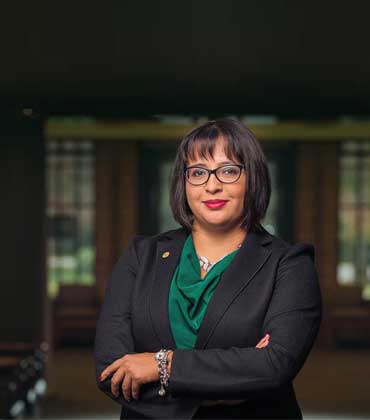
Carolina Fuentes
There are four generations in the workforce today – Boomers, GenX, Millenials and Zoomers – many articles have been written for HR publications about their differences and the conflict that comes when leaders from one generation manage employees from another. Often we like to manage those conflicts with processes, templates or technology.
Hundreds of research studies and millions of dollars have been spent in the middle of a global pandemic on consultants and software solutions to increase efficiency in the workplace and eliminate generational conflicts. Your company has likely spent thousands on tools to virtually bring people together and keep track of projects, initiatives and tasks. Yet the US workforce is living through the Great Resignation and many experienced employees are retiring early and younger employees are becoming disillusioned with companies and the jobs you are recruiting for.
Among the generational discord there are common values that can help all managers and their direct reports connect in meaningful ways through your HR system. Any solution you implement must support your organization’s ability to have meaningful interactions. Watercooler discussions are now on Skype, company news is shared on Microsoft Teams. Every interaction you have with an employee – whether in person or virtual – serves one of these two purposes:
• Informational; communicates a specific piece of information
• Interpersonal; interactions to build rapport
Both of these types of interactions are “free” so do them, do them often, and do them consistently using the tools and systems at your disposal. While these interactions may seem trivial in the grand scheme of all the strategic work that HR teams do on a daily basis, they drive your company’s culture. Think of it this way; if a new employee only sees you when they are being disciplined then their opinion of HR leaders and your team will be based on that single negative interaction. Imagine being judged on the worst 2 minutes of your entire day? However, if an employee has had the chance to have an interpersonal interaction with you and your team, or if you’ve provided timely information or helped them resolve an issue, then, when those disciplinary conversations do happen, you will have already built the rapport, trust and precedent that you are a fair, approachable leader, and that you can help them access the tools and resources that they need to be successful.
The same can be said for technology, if every interaction employees have with your HR system is frustrating, confusing, or it does not perform as expected, then those negative feelings will carry over to any future HR solutions as well. As humans, we are wired to remember the “bad” more often and stronger than the neutral or positive interactions we’ve had with a person or a tool. You had many successful virtual meetings this past year, yet you likely remember the one where your connection was faulty, or where you forgot to mute yourself while your pet barked at the delivery person.
“Any software and technology solution must help you bridge virtual – and physical – walls and help your employees find common ground within those meaningful interactions”
Many of us who are working remote are also missing the daily interactions and informal conversations that would have given us the opportunity to connect with co-workers on their interests and hobbies across generations. Any software and technology solution must help you bridge virtual – and physical – walls and help your employees find common ground within those meaningful interactions. It does not matter if your performance management system has monthly or yearly reviews, what is most important is that the feedback captured within them is meaningful and action-oriented. Performance is not about the final score, or your ability to complete reports before the deadline, it is about the coaching and insights a manager was able to give to an employee that helps them achieve their career goals, thus supporting long-term succession plans and individual development tracked within your systems.
Your system, process or solution must support the values of the people in your organization. Your Boomer employees likely participated in protests in the ‘60s and ‘70s, similar to what Zoomers and Millenials did this last year. As an organization you must decide which community engagement opportunities or volunteer initiatives you will support, design programs around them, and coordinate fruitful projects that your organization can be proud of. GenX is navigating work-life balance, and they have learned a few things along the way, they can now mentor your Zoomers. They in turn will ask for a flexible work schedule, your Boomers may also benefit from extended breaks to avoid burnout and begin preparing and planning for their retirement and their legacy; Both in the work, projects, and solutions they completed, but also by mentoring your high potentials on work still to be done. Include tenured employees in Talent Review discussions, assign them an employee to support, document that in your system as part of their development plan. Invite your tech-savvy employees to train and help others complete assigned tasks in HR Systems, then reward them accordingly with badges or kudos on your bulletin boards.
Our responsibility as HR partners is to ensure that every process is not just a button on our HR system, but a meaningful, thoughtful, fulfilling interaction between all employees in your organization.
The articles from these contributors are based on their personal expertise and viewpoints, and do not necessarily reflect the opinions of their employers or affiliated organizations.

Be first to read the latest tech news, Industry Leader's Insights, and CIO interviews of medium and large enterprises exclusively from Manage HR Magazine
