
A featured contribution from Leadership Perspectives: a curated forum reserved for leaders nominated by our subscribers and vetted by the Manage HR Advisory Board.

Frank Beverage Group
Making Benefits Work for Employees and Organizations
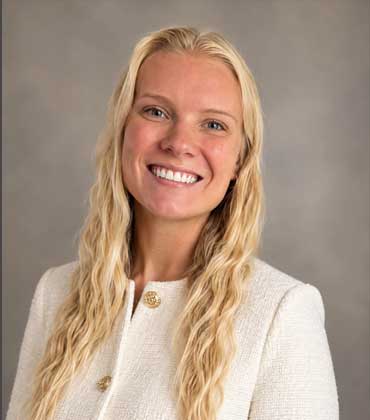
Sydney Teresinski
Shaping HR through the Full Employee Lifecycle
My experience across recruiting, benefits, payroll and broader HR has taught me that good HR requires seeing things from both sides. Understanding the employee experience, while also considering what is realistic and sustainable for the organization, is essential.
Working across the full employee lifecycle has given me perspective on what candidates and employees truly value, from the recruiting process to the impact of benefit costs on a paycheck and, ultimately, the decisions surrounding employment. Each area has shaped how I approach HR today, with a focus on understanding the people behind the decisions while keeping the needs of the organization in view.
Balancing Benefits Costs with Employee Needs
HR leaders cannot focus solely on the immediate cost of benefits. They also need to keep a close eye on health debt. Whether an employer is self-funded or fully insured, when employees cannot access care because of cost, lack of understanding or provider availability, they may postpone treatment that could become far more expensive down the road. That can also take a toll on employee morale and well-being.
For self-funded employers, there are many great independent carrier partners offering creative, win-win solutions. Thoroughly vet your options, challenge traditional approaches, and don’t be afraid to consider alternatives. These, when done well over time, can even reduce or flat-line your annual renewal rates.
"HR leaders cannot focus solely on the immediate cost of benefits. They also need to keep a close eye on health debt."
Successfully managing complex insurance plans requires far more than knowing the mechanics of a plan. It requires balancing employee needs, financial considerations, compliance and the realities of running a business.
Designing Benefits around Employees and Their Families
Knowing your employee demographics is key to making benefits truly relevant. Those entering the workforce can have very different wants and needs from employees nearing retirement. Meeting people where they are in life means understanding those differences and, importantly, listening to what employees actually want and will use.
Offering options for every stage of life is important, but more is not always better. An overly broad benefits package can become overwhelming, leading to confusion, underutilization and ultimately a perception that the offerings are irrelevant.
The goal should be to keep benefits relevant, thoughtful and lean. Listen to your employees, understand what they value and be willing to act on that feedback. AI decision-making tools are also becoming increasingly valuable. A well-designed chatbot that helps employees navigate their options and identify benefits that fit their individual circumstances can be a huge win for both employees and HR.
Using Benefits to Strengthen Engagement and Retention
Let’s take a moment for HR events. Getting employees involved in benefits events can feel a little cheesy, but it can have a priceless impact on understanding, engagement and ultimately, care. These moments give employees an opportunity to ask questions, explore their benefits and better understand the resources available to them. Just as importantly, they give HR an opportunity to have some fun and build genuine connections with employees at every level of the organization.
Another simple but powerful tool is an annual total rewards statement. Showing employees the full investment their employer makes in them, beyond just their paycheck, can increase appreciation and understanding of their overall compensation and benefits package.
Navigating the Evolving Benefits Landscape
It’s imperative for HR leaders to stay current on regulatory changes, administrative guidance and emerging opportunities. The intricacies of benefits are not getting simpler, so staying informed is critical to identifying strategies that serve both employees and the organization.
One trend worth watching is the movement away from traditional fully insured plans toward more flexible self-funded models. Greater access to data, more control over coverage and costs and the ability to provide care tailored to a specific employee population can create meaningful advantages.
Choosing the right partners is equally important. Don’t automatically gravitate toward the biggest, most recognizable names. Independent vendors are becoming increasingly sophisticated and relevant, often bringing specialized expertise, greater flexibility and innovative solutions to the table. The right partner can make all the difference when navigating an evolving benefits landscape, maximizing the value of your plan, and controlling costs.
The articles from these contributors are based on their personal expertise and viewpoints, and do not necessarily reflect the opinions of their employers or affiliated organizations.

Be first to read the latest tech news, Industry Leader's Insights, and CIO interviews of medium and large enterprises exclusively from Manage HR Magazine
