
A featured contribution from Leadership Perspectives: a curated forum reserved for leaders nominated by our subscribers and vetted by the Manage HR Advisory Board.

Sheraton Jakarta Soekarno Hatta Airport
Success Through People: Retain your Employees and Let them Surpass the Business Goals
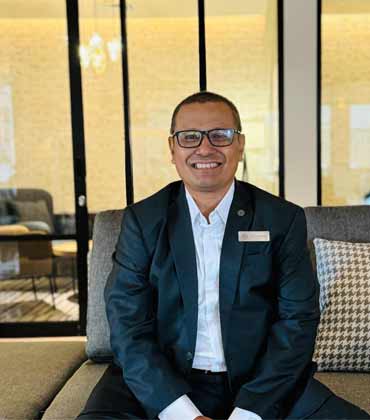
Yohanes Sigit Edy Nugraha
Yohanes Sigit Edy Nugraha serves as the Director of Human Resources at a Five Star Premium Brand in Jakarta Indonesia. He brings 22 years of expertise in leading people to the forefront of the hospitality industry by honing his skills through years of dedicated learning.
Could you elaborate on how your experience in this field intersects with the dynamics of business, people, and coaching. What are some significant emerging trends you observe in this context?
When discussing business, people, and coaching, I refer to how these elements converge to shape both individual and organizational success. It's not solely about the person in a leadership role, but also those directly involved in executing business strategies. Recognizing the importance of both strategy and execution is crucial. While leadership can provide guidance and vision, it's the individuals on the front lines who ultimately drive business outcomes. This is why coaching plays a pivotal role. Coaching isn't just about imparting knowledge; it's about skills and empowering individuals to perform at their best. It's about bridging the gap between strategy and execution by ensuring that those directly involved in the business have the necessary tools and support to thrive. This alignment of business, people, and coaching is what truly sets us apart and drives our success. As for emerging trends, I see a growth in personalized coaching and development catering to individual needs, as well as an increased focus on technology to enhance coaching effectiveness. “Well coached individual leads to strong motivation to perform ending in greater business performance”.
Can you tell us about your involvement in a recent high-potential talent development project and how it shaped your understanding that people development and business success should go hand in hand?
Firstly, I refrain from mentioning any specific brand to maintain confidentiality. In my previous experiences, I've overseen talent development initiatives within companies where the challenge lies in balancing talent growth with business demands. The practices to some extent of automatic promotions, for instance, is risky especially if it entails a set percentage of employees being promoted, often determined by higher authorities of a company. This can lead to situations where individuals are pushed into development programs despite lacking readiness or qualifications. It's concerning because while they may pass the program assessments, their actual readiness for the role may be lacking, posing a risk to business operations. Focusing on fulfilling quotas can compromise the quality of talent being promoted, impacting business performance. This realization underscored the importance of ensuring that people development initiatives are not merely about meeting quotas but are aligned with the genuine needs and readiness of the individuals involved, thus contributing to both individual growth and overall business success.
What are the main obstacles you've identified in building loyalty, especially considering the changing definition of loyalty and the abundance of choices in the market?
The wide range of choices available nowadays, whether discussing employees or consumers, presents a significant challenge. In the past, we often emphasized loyalty beyond reason, which prevented people from considering other brands. Loyalty beyond reason doesn't hold the same depth anymore. People are constantly seeking something better and different. What truly matters to them is key. For instance, even if I have a highly loyal staff member, if they receive a slightly higher salary offer from another company, they might leave, especially if money is their primary concern. This often happened even with companies that aren't well-known or reputable. Another aspect to consider is the day-to-day experiences within the organization. While I may offer a good salary, if the facilities and amenities provided aren't up to par, employees may be tempted to leave for a company that offers better perks. They are looking for a more meaningful life rather than just working. For example, resort properties where employees stay in the resorts’ housing, some individuals might prioritize daily exercise, and if another company offers better gym facilities, they might switch for that reason alone, even if the salary difference is slight.
“It's essential to understand what matters to each individual and what employees' ambitions are. As leaders, our role is to comprehend their needs and also identify any additional requirements they may have. While we may not be able to fulfil every need, narrowing the gap between their needs and what we offer is crucial.”
What words of wisdom or cautionary advice would you impart to colleagues working in comparable roles in the HR field concerning actions they should take or avoid?
It's essential to understand what matters to each individual and what their ambitions are. As leaders, our role is to comprehend their needs and also identify any additional requirements they may have. While we may not be able to fulfil every need, narrowing the gap between their needs and what we offer is crucial. Developing leaders among employees is vital. When employees possess leadership qualities or having a sense of “I am a Leader”, they prioritize finding solutions rather than simply complaining about problems. For instance, consider the issue of inadequate gym facilities. If someone lacks leadership skills, they might incessantly complain about the situation. However, if empowered with leadership qualities, they would take proactive steps to improve the situation, such as proposing changes to management. Therefore, my advice to HR professionals is to encourage every employee toward leadership. With leadership comes the ability to find solutions and take action rather than simply identifying problems. We can’t afford not focusing on solutions.
The articles from these contributors are based on their personal expertise and viewpoints, and do not necessarily reflect the opinions of their employers or affiliated organizations.

Be first to read the latest tech news, Industry Leader's Insights, and CIO interviews of medium and large enterprises exclusively from Manage HR Magazine
