
A featured contribution from Leadership Perspectives: a curated forum reserved for leaders nominated by our subscribers and vetted by the Manage HR Advisory Board.

Milk Bar
Building People-First HR at Scale
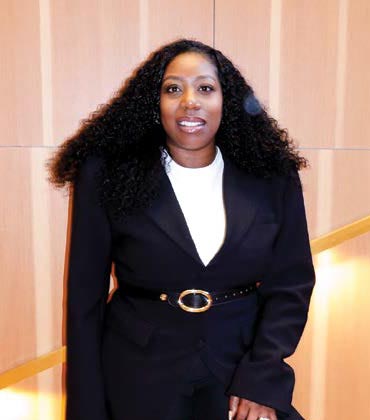
Shay Palmer
Aligning HR Strategy with Business Goals
For me, HR strategy starts with understanding where the organization is going and then asking, what does the people side of that strategy need to look like for us to actually get there?
I don’t believe HR should operate in its own little bubble. I want to understand the business, the budget, the growth plans, the operational challenges and what keeps leadership up at night. Then I can translate those priorities into workforce planning, talent strategy, compensation, performance management and culture.
At the same time, efficiency cannot come at the expense of people. I’ve learned that you can build processes that are both structured and human. The goal isn’t to create more policies and procedures just because HR loves a good spreadsheet. It’s to create systems that make it easier for employees and managers to know what’s expected, get what they need and do their jobs well.
Inclusivity, to me, also means remembering that organizations are made up of different types of employees. The employee sitting in Finance, IT, Facilities, security, visitor services or operations deserves the same thoughtfulness as the person whose work is most visible externally.
Modernizing HR through Technology
The biggest lesson is that technology should solve a problem, not become the problem.
I’ve led HRIS implementations and migrations, including moving organizations from more complex systems to platforms that were easier for managers and employees to actually use. I’ve worked across HR, payroll, benefits, recruiting, onboarding, performance management, reporting and integrations with Finance and other systems.
One thing I’ve learned is that implementation is only about 50% technology. The other 50% is change management. You can have the fanciest HRIS in the world, but if managers don’t understand how to use it—or HR doesn’t trust the data—you’ve basically purchased an expensive digital filing cabinet.
I also believe HR leaders need to understand their data. Modern HR is increasingly about being able to look at information, identify trends and tell the story behind the numbers.
Balancing Compensation, Benefits and Business Needs
Compensation and benefits should be approached as both a people strategy and a business strategy. Employees want to feel valued and fairly compensated, while organizations have budgets, financial targets and sustainability concerns. HR’s job is to help bring those realities together.
“Modern HR is increasingly about being able to look at information, identify trends and tell the story behind the numbers.”
I’ve worked on compensation analysis, salary increases, headcount planning, benefits evaluation and retirement plan strategy. One of the most important things I’ve learned is that transparency and communication matter almost as much as the actual benefit. You can have a great benefits package, but if employees don’t understand it, they won’t experience its value.
I also like to ask, are we spending money because it sounds good or because it actually supports our employees and our business? That question has saved me—and probably a few budgets—from a lot of unnecessary HR glitter.
Strengthening Engagement, Culture and Inclusion
The most effective approach has been listening and then actually doing something with what you hear. Employee engagement isn’t just an annual survey. It’s what happens when employees believe leadership sees them, hears them and follows through.
I’ve used a combination of employee listening, manager development, onboarding, learning opportunities, recognition, staff programming, communication and regular touchpoints to strengthen culture.
I also believe culture is created in the everyday moments, not just at the holiday party. It’s how a manager gives feedback, how a new employee is welcomed, whether someone understands how decisions are made and whether employees believe they can speak honestly without being punished for it. Inclusion requires us to look beyond the most visible voices in the room. I want to understand the experience of the entire workforce.
Advice for Building People-First Cultures
Don’t confuse being people-first with avoiding hard decisions. A strong people-first culture actually requires clarity, accountability and consistency.
As organizations grow, HR has to move from being the department that solves every problem to building systems and leaders that can solve problems themselves. I’ve learned that one of the best measures of a successful HR strategy is whether managers become more capable and independent because of it.
Build the infrastructure. Know your numbers. Understand the business. Use technology wisely. Listen to employees. Hold leaders accountable. And don’t lose the human part of HR while you’re doing all of that.
And honestly, keep a sense of humor. HR can be serious work, but it doesn’t have to feel serious every single minute. We’re working with humans. There will always be a little chaos, a little laughter and at least one email that makes you stare at your screen for five minutes before responding.
The articles from these contributors are based on their personal expertise and viewpoints, and do not necessarily reflect the opinions of their employers or affiliated organizations.

Be first to read the latest tech news, Industry Leader's Insights, and CIO interviews of medium and large enterprises exclusively from Manage HR Magazine
