
A featured contribution from Leadership Perspectives: a curated forum reserved for leaders nominated by our subscribers and vetted by the Manage HR Advisory Board.

Doha Oasis
Building Leaders across Industries and Cultures: What the Journey Has Taught Me
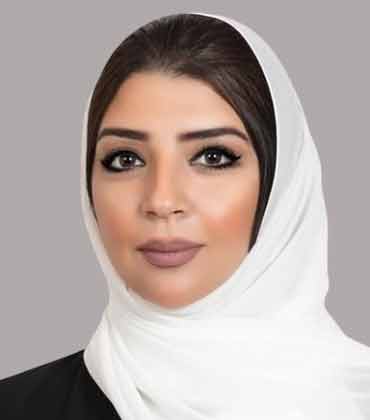
Sarab Zourob
Leadership Is Forged in Uncertainty
Leadership is built in the space between certainty and uncertainty. In the moments when people stop looking at the plan and start looking at the person leading it.
My career has taken me across aviation, hospitality, retail, entertainment and corporate services. Each industry sharpened a different leadership muscle, but one experience shaped me more than any other.
Aviation operates with almost no margin for error. Decisions must be made quickly, standards must be met every single time, and teams from more than 100 nationalities must move as one to deliver something safe and seamless. It taught me discipline, accountability and how to lead when the pressure doesn't let up.
More than that, it taught me that trust comes from the disrupted days rather than the calmer ones. The leaders who communicated honestly, stayed steady and showed genuine empathy when things went wrong were the ones people chose to follow. That lesson traveled with me. The industries changed, but the fundamentals didn't.
Organizations succeed when their leaders can adapt, build genuine relationships and create environments where people feel valued enough to bring their best work forward.
Building Culture through Shared Leadership
The hardest part of leadership, consistently, has been culture. Not a strategy. Every organization I have worked in brings together different nationalities, generations and professional instincts under one roof. Aligning that takes more than technical skill. It takes empathy, real listening and the willingness to challenge ways of thinking that have outlived their usefulness.
One of the most meaningful transformations I led was the development and implementation of a leadership competency framework across multiple businesses within a group environment. Each business had its own culture, expectations and definition of what good leadership looked like. We introduced a common leadership framework that defined the behaviors expected at every level and integrated it into recruitment, performance management and development planning. The journey required changing mindsets and moving away from the belief that leadership is determined by tenure or hierarchy. Instead, we focused on behaviors, accountability and potential. The result was greater alignment across the businesses, meaningful talent discussions and a stronger focus on developing future leaders from within rather than waiting for leadership gaps to emerge.
Leadership beyond Titles
People don't resist change. They resist not knowing what it means for them. So, the job isn't just to roll out the change, it's to build enough trust, early enough, that people can see what it means for them and for the organization before they're asked to live it.
That belief is what drew me to building leadership competency frameworks rather than treating leadership development as a perk for senior executives. Leadership isn't a function of title or tenure; it’s a set of behaviors: how someone takes accountability, keeps learning and lifts the people around them. Embedding that into how we hire, manage performance and develop talent gives an organization a shared language for leadership and a succession pipeline that doesn't wait for a gap to appear before it reacts.
Some of the strongest leaders I've worked with held no formal authority at all. They led through influence and consistency, and people followed them anyway.
Beyond Strategy and Systems
Technology can be bought. Systems can be replicated. A strategy can be copied by a competitor within a quarter. Leadership capability can’t be built, which is exactly why it's worth building deliberately, at every level, rather than leaving it to chance.
Looking back across these industries, I don't think leadership is about having the answers. It’s about staying curious, leaning into change instead of waiting for it to settle, and helping the people around you grow alongside you.
Because leadership was never measured by how many people follow you. It's measured by how many leaders you leave behind.
The articles from these contributors are based on their personal expertise and viewpoints, and do not necessarily reflect the opinions of their employers or affiliated organizations.

Be first to read the latest tech news, Industry Leader's Insights, and CIO interviews of medium and large enterprises exclusively from Manage HR Magazine
