
A featured contribution from Leadership Perspectives: a curated forum reserved for leaders nominated by our subscribers and vetted by the Manage HR Advisory Board.

Entarian
Shaping Talent Strategy through Employee Insights and Trust
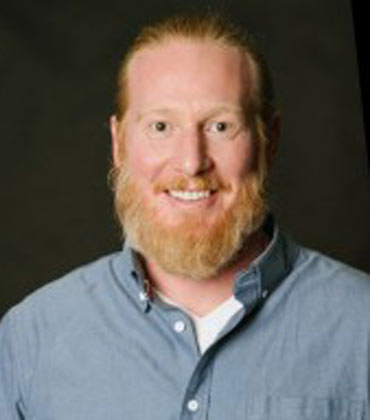
Ryan Glover
Ryan P. Glover is a strategic HR executive with over 15 years of experience in talent acquisition, human capital management and organizational development. Certified PMP and PHR, he specializes in workforce strategy, HR technology optimization, compliance and measurable business outcomes.
Building People-Centered HR Strategies
Compensation, benefits and career development all need to work together and support the overall talent strategy when you’re trying to attract and retain top talent. These elements have to reflect the kind of workforce the organization needs to deliver results.
By aligning your total rewards philosophy with the behaviors, capabilities and priorities that matter most, you create an experience that speaks directly to the professionals you want to hire and keep.
Building Trust through Transparent Decision-Making
While you can’t necessarily make every employee happy, you can engage them in the process. Be clear about the decisions on the table and how each option impacts them to help them feel more connected and informed. This builds trust and makes it easier for them to accept the outcomes.
Once the decision is made, being transparent about why they were made is key. You also need to explain how they support employee needs and organizational goals. This goes a long way toward building understanding and alignment.
Adapting HR to Evolving Employee Expectations
As expectations shift, HR must be flexible around growth, rewards and well‑being to be more adaptable in how staff are supported. Whether in schedules, work locations or helping employees manage life responsibilities, organizations must meet the needs of much of the workforce.
“The best HR professionals stay curious, stay connected to employees and build programs that truly reflect the workforce they serve.”
When people can adjust their workday for a mid‑day appointment or balance school drop‑offs without losing productivity, they feel supported. That mindset helps create an environment where more employees can be successful and want to show up.
Learning from Leadership to Shape Talent Strategy
I wouldn’t say there was one major lesson or defining moment. I’ve learned a lot by watching how previous leaders have made decisions, what assumptions they held, and how those decisions affected the broader workforce.
Reflecting on those patterns shaped the way I approach talent strategy and total rewards with more intention and a stronger focus on people.
Staying Curious and Connected to the Workforce
Industry trends and benchmarks are a great starting point, but they shouldn’t replace talking directly with employees to understand what they actually need. Spend time listening, asking questions and challenging assumptions.
Don’t be afraid to push back against ‘the way we have always done it.’ If there’s a better way to support staff, take action. The best HR professionals stay curious, stay connected to employees and build programs that truly reflect the workforce they serve.
The articles from these contributors are based on their personal expertise and viewpoints, and do not necessarily reflect the opinions of their employers or affiliated organizations.

Be first to read the latest tech news, Industry Leader's Insights, and CIO interviews of medium and large enterprises exclusively from Manage HR Magazine
