
A featured contribution from Leadership Perspectives: a curated forum reserved for leaders nominated by our subscribers and vetted by the Manage HR Advisory Board.

NCS Multistage
Leadership is Translation: How Organizations Maintain their Identity While Growing and Changing
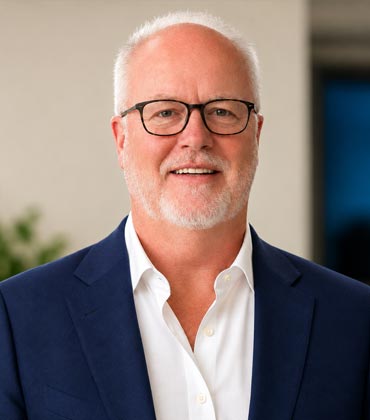
Rob Wiggins
I've seen organizations experience growth, acquisitions, leadership changes, and shifts in strategy. A good strategy is only part of the equation. Leaders must help people understand what that strategy means, how they fit into the bigger picture, and what it takes for everyone to move in the same direction.
I've come to believe that leadership is translation: taking the vision set at the top of an organization and making it meaningful to the people responsible for executing it. When that translation breaks down, even the best strategies struggle.
Preserving Organizational Identity through Growth and Change
Organizational identity starts with knowing who you are, what you stand for, and what makes you successful. As companies grow, structures change, new people join, and responsibilities expand. It's easy to become so focused on growth that the organization loses sight of the principles that made it successful.
In one organization I supported, the business underwent a major transformation as it shifted from a focus on natural gas toward oil production during the shale revolution. During that period, the workforce grew from approximately 1,560 to 3,000 employees while revenue increased from $3.9 billion to $14.5 billion. That kind of growth requires more than adding people; it requires leadership capability, workforce alignment, and structures that support a changing business.
Preserving identity doesn't mean keeping everything the same. It means being clear about what must evolve and what must remain constant. Leaders need to communicate that distinction and demonstrate it through their own behavior.
Translating Company Values into Everyday Leadership Practices
HR has an important role, but I don't believe culture belongs to HR. Culture is created every day through the decisions leaders make, the behaviors they tolerate, and the way they treat people.
“Leadership is translation: taking the vision set at the top of an organization and making it meaningful to the people responsible for executing it.”
HR can define expectations, develop leaders, and create processes that reinforce values. But values displayed on a wall or in a presentation mean little on their own. Employees watch what leaders do, especially when decisions are difficult.
My early experience in field operations shaped how I approach HR. You cannot effectively support an organization if you don't understand the realities of the people doing the work. HR must get out from behind the desk, listen, and understand operational challenges. The real measure of success is whether company values show up in everyday decisions; not whether everyone can recite them.
Maintaining Employee Trust and Engagement During Organizational Change
Trust begins with honesty. Employees don't expect leaders to have every answer, but they do expect open communication, follow-through, and respect.
During change, uncertainty is inevitable; silence makes it worse. When leaders don't explain what's happening or why decisions are being made, employees fill the gaps themselves. Rumors grow, confidence declines, and people question whether leaders understand.
Leaders don't need to promise that everything will be fine. They need to explain what they know, acknowledge what they don't, and say what happens next. They also need to listen.
Some of the most valuable conversations happen away from conference rooms; in the field, on the manufacturing floor, or wherever the work gets done. When leaders show up to understand rather than simply inspect, they demonstrate that employee’s matter. Trust is earned through consistent behavior over time. You cannot ask employees to embrace change while ignoring their concerns or contradicting the organization's stated values.
Aligning Diverse Teams Across Global Operations
Across countries and operational environments, communication styles, cultural expectations, local practices, and business needs can differ. A message that seems clear to an executive may be interpreted differently by a frontline supervisor in another location.
Supporting approximately 425 employees and contractors across six countries has reinforced the importance of creating shared understanding without assuming every team operates the same way.
The goal isn't sameness. It's to establish a common purpose and consistent expectations while respecting local realities. Leaders must listen, adapt, and help employees see how their work contributes to broader objectives.
You cannot create alignment simply by sending the same message to everyone. Alignment happens when people understand the message, see its relevance to their work, and believe leadership is listening.
Leading Organizations Through Growth and Transformation
First, learn the business. Understand how it makes money, what customers value, what creates operational challenges, and what leaders are trying to accomplish. Credibility comes from helping solve business problems, not simply administering HR processes.
Second, build relationships before you need them. Spend time with employees and leaders at every level. Listen, hear uncomfortable things, and follow through.
Finally, remember that leadership is demonstrated through behavior, not bestowed through a title. HR professionals can help organizations translate strategy into understanding, understanding into alignment, and alignment into action.
Organizations will continue to grow, change, and face uncertainty. Their success depends in part on keeping people connected to the purpose behind that change. The answers leaders need are often found where the work happens; not behind a desk.
That is what leadership translation means to me: helping people understand where the organization is going, why it matters, and how they can contribute to getting there.
The articles from these contributors are based on their personal expertise and viewpoints, and do not necessarily reflect the opinions of their employers or affiliated organizations.
