
A featured contribution from Leadership Perspectives: a curated forum reserved for leaders nominated by our subscribers and vetted by the Manage HR Advisory Board.

Delta Defense
Make Your Leader Look like a Rock Star
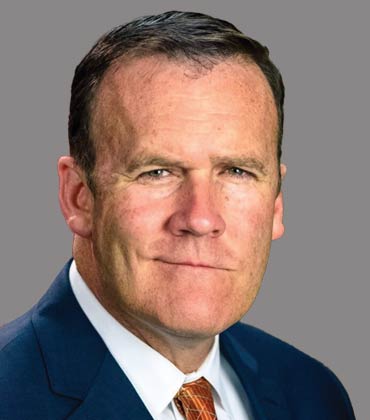
Rob Chadwick
I have been employed every day since I turned 15. I'm 55 now, and along the way I held a wide assortment of jobs before settling into a 30-year law enforcement career that ended with my leading the FBI's National Tactical Training Program at Quantico. That much time in that many workplaces gave me a front-row seat to an incredible range of leaders. Some were great. Some were terrible. Both taught me plenty.
The most valuable leadership lesson of my career came early, from a lieutenant who took over my patrol squad when I was a young officer.
Before he did anything else, he met with each of us one-on-one and asked a simple question. What do you want out of your career? I told him I wanted to be a K9 handler. Another officer wanted helicopters. Others wanted to be detectives or motor officers, and a few preferred to stay in patrol.
He never made a show of what came next. Over the following year, he quietly found ways to connect each of us with the specialty we had named. I spent time working alongside the K9 unit. The future flight officers supported the air unit. Everyone gained exposure, relationships, and experience that paid off when specialty selections came around. Every member of that squad who wanted a specialty assignment earned one.
Meanwhile, our numbers climbed. We rose to the top of the most productive squads in the county, with more arrests, interdictions, DUI arrests, and traffic citations than anyone. The results were so dramatic that the county sent a team to interview every one of us and find out why.
Every officer gave the same answer. We believed our lieutenant had our long-term best interests at heart, even though that meant we would eventually leave his squad. Because we knew he was helping us move on to bigger and better things, we wanted to do everything we could to make him look like a rock star.
Years later, I saw the opposite. As a young Supervisory Special Agent at FBI Headquarters, I worked for arguably the worst leader of my career. I had developed several key opportunities with outside agency partners. Instead of supporting them, he berated me for seeking them out.
then took credit when executive leadership noticed. He was suspicious, controlling, and constantly played political games, throwing his people under the bus to make himself look good.
“A leader genuinely invested in his people earns a level of effort no incentive program can buy.”
Within months, one of the tightest-knit and most productive units at Headquarters, which had just earned a U.S. Intelligence Community award for excellence, had every employee looking for the exit. Same people, same mission. The only variable was whether they believed their leader was on their side.
Together, these experiences shaped how I lead. No team lasts forever, good or bad. People get promoted, transfer, retire, and move on. Great teams know they have something special with an expiration date, and that drives them to support their leader and one another while they have the chance. A leader genuinely invested in his people earns a level of effort no incentive program can buy.
I also build teams around a specific kind of person who has a relentless work ethic, a team-before-self attitude, and the ability to operate independently once they understand the overall objective. When I find that person, I recruit them, even if I don't currently have a job for them to do.
Today I'm part of a startup integrating AI, drones, and robotics to augment manned physical security. We recently brought in a few contract workers for a short weekend event, and one young man stood out. He volunteered for the overnight shifts nobody wants, asked endless questions, and stayed positive throughout. We had no demonstrable need for him beyond that weekend, but I knew we had to keep him. The work would come, and his attitude would spread. He has become one of our most reliable workhorses, supporting booming demand.
Skills can be taught, and positions can be created. A team full of people like that needs no micromanagement.
For HR professionals, this offers a useful view of retention. We often treat an employee's departure as a loss to be prevented. My lieutenant treated each person's next step as part of his job, and everyone benefited. My boss at FBIHQ treated his people as tools for his own advancement, and he lost all of them.
If you lead people, ask them where they want to go, then spend your time helping them get there. They will remember it for the rest of their careers, and while they are with you, they will give you everything they've got.
The articles from these contributors are based on their personal expertise and viewpoints, and do not necessarily reflect the opinions of their employers or affiliated organizations.
