A featured contribution from Leadership Perspectives: a curated forum reserved for leaders nominated by our subscribers and vetted by the Manage HR Advisory Board.

BNTO
From The Casino Floor To The Warehouse Floor: How By-The-Book Hr Made Me Ready To Build From Scratch
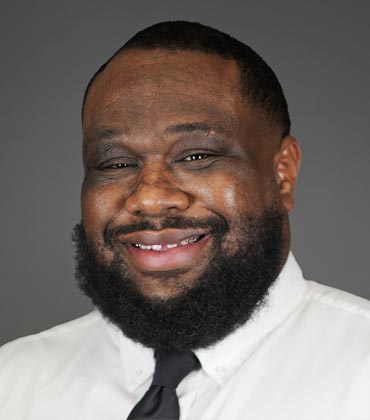
Mike Henderson
Mike Henderson, MBA-HRM, is the Human Resources Manager at BNTO. With a background in human resource management, he brings experience in supporting workforce development, employee relations, talent management and organizational effectiveness, contributing to the company's people-focused strategies and business objectives.
In my three and a half years in gaming Human Resources, every decision was documented. Every policy was followed to the letter. Every file had to hold up to scrutiny. Then I traded the casino floor for a warehouse floor, stepping into my first Human Resources Manager role at BNTO, a startup moving its fulfillment center from California to Ohio.
The new site had no HR. No Ohio policies. No procedures. No playbook. It turned out the gaming industry had trained me for exactly this. Here's how.
Trained by the Book: HR in the Gaming Industry
Gaming is one of the most tightly regulated industries there is. As an HR Generalist at the casino, I worked strictly by the book. Policies weren't suggestions. Procedures were followed step by step. Close enough was never good enough.
I also partnered closely with our labor union. Everything was governed by a legally binding collective bargaining agreement (CBA) between the casino and the union. That taught me to read contract language closely, choose every word with care, and document with total clarity. When a grievance came up, the answer was in the contract and the file. No gray areas. Everything had to be in black and white.
If it wasn't written down, it didn't happen. I kept detailed, accurate records on every employee action, because any file could be reviewed at any time. That habit became my foundation.
The Leap: Building HR for a Startup Warehouse
At the casino, I supported processes other people designed. At BNTO, I had to design them from a blank page. Policies written for California didn't fit Ohio, and a startup has little room for trial and error.
So I started with the foundation. I revamped our warehouse policies for Ohio law, updating what needed to change and keeping what still worked. I wrote standard operating procedures so every process was clear. I revamped how we convert temps to hires, creating a clear, effective system for moving our best temps onto the BNTO team, and built a hiring process for external candidates. I rebuilt an attendance policy for our temps and permanent associates alike. I wrote every one the way I learned to read a union contract: precise wording, no gray areas, and easy to follow.
Employee relations became a daily part of the job. The staffing agency's on-site HR representative handles the temps, while BNTO's own associates come to me. Years of careful, documented decisions in gaming meant I handled each issue fairly and left a clear record.
Putting Precision to Work: The Wage Increase
Then temp turnover caught our CEO's attention. We were competing with warehouse giants for every worker, and we needed an edge. The CEO asked for a wage survey, and I built it the only way I know how: thoroughly. I compared four levels: local employers, Ohio, the Midwest, and national benchmarks. I looked at base pay, differentials, and lead premiums. The verdict: our starting rate sat below the state median.
“Gaming taught me to be precise, consistent, and documented. BNTO gave me the chance to build from scratch with those skills.”
Our Chief of Staff asked me to turn the wage survey into a wage increase proposal. Working with our General Manager, I designed a plan that was competitive without overpaying: a starting rate above the local median, a 90-day rate above the local average, a weekend differential for our highestturnover shift, and a premium for leads. Temps stay below the employee starting rate, so converting is still a raise. The 90- day increase is tied to clear criteria: attendance, productivity, and a clean discipline record.
I pitched it in the language of operations: the added labor cost per item, and how many more items an hour would cover it. Often, just one. Leadership approved it. The raise is now in place for every hourly employee. Detail and documentation won the day, just as they did in gaming.
Why the Casino Made Me the Right Fit
The gaming industry didn't just teach me HR. It prepared me for this exact role.
• Documentation builds trust. Gaming taught me that a clear record protects everyone. In a startup, it's what turns new policies into lasting ones.
• Consistency is fairness. Applying the rules the same way every time is how you earn credibility with associates and leadership alike.
• Detail wins decisions. The wage proposal was approved because every number was backed up. That's casino discipline at work.
• Structure scales. A startup needs systems fast. Coming from a by-the-book industry, I knew how to build them right the first time.
From the casino floor to the warehouse floor, the setting changed. The standard didn't. Gaming taught me to be precise, consistent, and documented. BNTO gave me the chance to build from scratch with those skills. Reviews at six and twelve months will measure the raise's results. But I already know what made me the right fit: I learned HR where the rules matter most.
The articles from these contributors are based on their personal expertise and viewpoints, and do not necessarily reflect the opinions of their employers or affiliated organizations.
