
A featured contribution from Leadership Perspectives: a curated forum reserved for leaders nominated by our subscribers and vetted by the Manage HR Advisory Board.

Wright's Dairy Farm & Bakery
Integrating HR and Workplace Safety
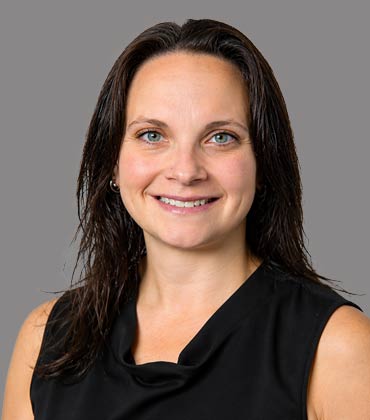
Melanie Greene
When I joined Wright's Dairy Farm, Inc. as Human Resources Manager a little over two years ago, our workforce was growing and our safety practices had room to grow with it. Safety was happening. It just wasn't connected. Safety was largely reactive, coming to leadership's attention mainly when an incident needed their support.
As a family-owned business, our people are at the heart of everything we do. Taking care of them starts with making sure every employee goes home safe at the end of the day. I saw safety as more than compliance. It was a people opportunity, and that made it HR's work.
Rather than launching a separate program, I focused on building safety into the employee experience, beginning with the moments HR already owns. The first step was putting the right person in the safety seat. I created a Safety, Compliance and Training Specialist role on my team and was able to promote a current employee into it. They brought some safety background and, just as important, the trust of coworkers across the company.
We gave them the tools and clarity to own the role and spot immediate concerns. Together, we identified where our processes could be strengthened and addressed them one at a time.
We also formed a safety team and launched quarterly safety meetings with department managers and shift leaders. Safety now has owners in every department, not just in HR.
Our safety specialist partnered with each department supervisor to complete job hazard analyses, identifying the risks specific to every role. Those findings now guide how we write job descriptions, onboard new hires and train employees.
Building alignment with leadership was also an important step. Our leaders care deeply about our people and they wanted a clear picture of what a strong safety function should look like. Once I shared the specific areas where we could improve, the path forward became much easier and we moved ahead together.
Safety is culture and the most important change was not a policy. It was what happened when employees started speaking up.
Employees now report safety concerns and near misses consistently and near-miss reporting has increased by 80 percent. A near miss is a free warning before anyone gets hurt. That kind of reporting only happens when people trust that speaking up leads to a fix, not blame.
“Safety is not a separate function that sits beside HR. It is one of the clearest ways we show our people they matter.”
Getting there meant changing a mindset. Employees once felt that an injury meant they had done something wrong. We reframed every report and incident as a learning opportunity, met with appreciation and, when needed, retraining. Today, when our safety specialist walks into a room, people greet them with appreciation and bring their concerns forward.
That trust does not stay in the safety lane. Employees who feel safe raising a hazard also raise ideas, questions and concerns. Safety has become one of the clearest ways we live our core value, Employees Who Care.
Safety touches nearly every result a business cares about. When people see leadership act on their concerns, they feel valued and heard.
It also strengthens teamwork. Our employees understand that we all share responsibility for looking out for one another. Because of that, new team members build trust early and form bonds quickly, knowing their coworkers are watching out for them.
In a food business, workplace safety and food safety go hand in hand. Clean, organized workspaces, well-trained staff and firm illness policies protect both our team and the products our customers bring home.
The results show up on the bottom line, too. In the first six months after we created the safety role, our workers' compensation claims fell by more than 70 percent, savings that go back into our people and our operation.
For HR leaders without a formal safety program, my advice is to start with the right person: someone employees already trust. Then make it easy to report a near miss, thank the person who does and show them what changed. Policies and training matter, but trust is what makes them work.
Safety is not a separate function that sits beside HR. It is one of the clearest ways we show our people they matter.
The articles from these contributors are based on their personal expertise and viewpoints, and do not necessarily reflect the opinions of their employers or affiliated organizations.
