
A featured contribution from Leadership Perspectives: a curated forum reserved for leaders nominated by our subscribers and vetted by the Manage HR Advisory Board.

EGbank
Aligning People Development with Organizational Growth
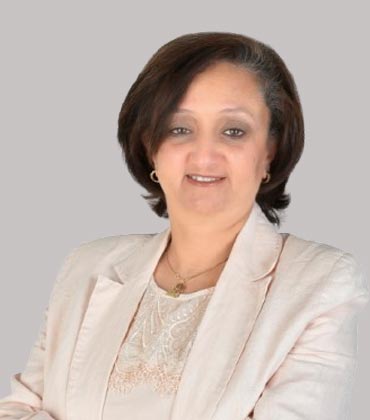
Marwa Hassan
Making People Development a Strategic Priority
Ask any leader about their people development practices, and their quick answer will probably be a confirmation that it is among their top priorities. But taking a closer look at actions when budget cuts are needed, and business deadlines loom ahead, will give you a more accurate answer.
Learning cultures are created when development opportunities go beyond training calendars and become connected to strategy, with leaders held accountable for success and organizational systems supporting the implementation of new learning.
To make this approach feasible, the organization needs to work on a three-dimensional growth strategy.
People Growth
Think of the skills and competencies needed for the organization's new strategy and assign them to different jobs through a set of demonstrable behaviors. This facilitates providing development options tailored to the organization's strategy.
Do not design the learning opportunities around what people want, but by asking more important questions related to how this will impact their on-the-job performance and participate in delivering organizational results.
Make the learning journey of the individual linked to their actual daily tasks and deliverables. People tend to develop effectively when they are stretched, and their learning is given the opportunity to be implemented. Widen the scope of development opportunities to supplement the classroom training. Encourage participation in strategic projects, taking on stretch assignments and introduce job-swapping.
“People tend to develop effectively when they are stretched, and their learning is given the opportunity to be implemented.”
Partner with your employees while designing their development track. Explain to them how this journey will enhance their career opportunities, clarify why it is important to the organization's future growth, and make them part of the bigger picture. Secure their buy-in to ensure the plan's success. Without employees’ ownership, the best laid plans will never come to fruition.
Leadership Growth
Leaders need to understand that employees’ development cannot be delegated to HR. HR can provide a framework and access to tools, while actual development is owned by the leaders themselves. Challenge your leaders on who they are developing and why, be specific on the capabilities they need in their teams, and how they relate to the organization's growth. When leaders are able to handle such questions, then people development becomes part of their leadership style and team development culture.
To ensure leaders' commitment to such an activity, the annual appraisal for each leader should have clear accountability for people development alongside business objectives. Leaders should be assessed for their teams’ engagement in different development tools and the progress achieved to ensure that business priorities will overcome the time dedicated to development and growth.
Meanwhile, design leadership programs focus on growing people's leadership capabilities alongside business growth. Support them to create a culture where people can perform, learn, and grow.
Organizational Growth
Organizations need to learn how to grow and adapt through newly developed structures and systems, under which employees can stretch and flourish. It is not enough that employees learn new skills and acquire advanced capabilities if the previously set system and adopted culture will deter them. The organization as well needs to grow in the same direction as employees are, and learn to celebrate innovative ideas and new approaches rather than leaning towards rewarding conservative and risk-avoidant solutions.
This growth requires establishing new systems that remove barriers to development and forward-thinking, that will provide employees with time to practice what they have learned and give them the authority to apply new skills. The organization needs to learn how to balance between learning time and delivering objectives and promote psychological safety where employees can share information, learn from mistakes and allow for experimentation within a responsible margin of mistakes.
Building a Development Plan for Future Growth
It is important to understand that the set of skills that got us where we are is not necessarily the same set of skills needed to achieve future growth. So, start now and prepare an action plan covering the following.
Begin by identifying the future capabilities your organization will need to achieve its goals and prioritizing three to five skills essential for growth. Then assess the skill gaps in your employees’ current performance.
Next, design the development tools leaders need to foster these capabilities. Assess their current behaviors against those desired and provide development programs that bridge the gaps.
Equally important is creating systems that make people development part of sustainable performance. Identify possible obstacles and consider ways to overcome them.
Then pilot a few initiatives directly connected to business priorities that do not require major organizational change. Follow up on these initiatives, measure their impact, evaluate the results and make adjustments as needed.
Organizations grow when their people’s capabilities are developed in ways that serve overall objectives, when their leaders foster growth opportunities and when their systems enable learning to translate into on-the-ground performance. Otherwise, organizations risk preparing talented employees to contribute to the growth of their competitors.
The articles from these contributors are based on their personal expertise and viewpoints, and do not necessarily reflect the opinions of their employers or affiliated organizations.

Be first to read the latest tech news, Industry Leader's Insights, and CIO interviews of medium and large enterprises exclusively from Manage HR Magazine
