
A featured contribution from Leadership Perspectives: a curated forum reserved for leaders nominated by our subscribers and vetted by the Manage HR Advisory Board.

Pechanga Resort Casino
Aligning HR with Hospitality Operations and People
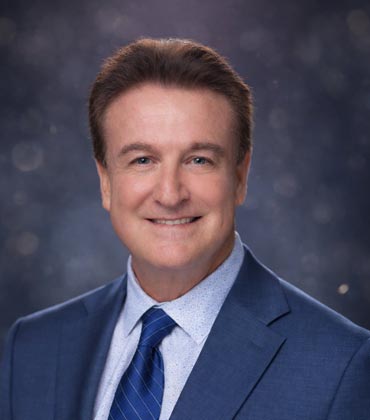
Mark Taylor
Mark Taylor is a human resources leader focused on workforce development, employee engagement, leadership capability, and operational alignment. His approach emphasizes understanding frontline demands, supporting internal career growth, and developing leaders who strengthen team performance and service excellence.
Aligning HR with Operational Demands
A casino floor does not pause for a policy review. Guests arrive at all hours, and the operation runs continuously. HR has to keep pace. The strongest HR leaders begin by understanding the work itself, including which roles are critical to keeping operations running and which shifts place the most Team Members face-to-face with guests. HR strategies should reflect those realities.
Alignment also means having a seat at the table when operating decisions are made, rather than being asked to react after decisions are finalized. Understanding operational demands allows HR to contribute earlier and develop policies and workforce plans that support the business.
Attracting and Retaining Team Members
Pay matters, but it is rarely enough on its own, particularly in a competitive labor market. For me, retention starts with showing people that they are valued. Team Members are more likely to stay when they can see a path forward. Clear career maps should outline the next step for each role and explain what it takes to advance. Internal mobility is equally important. Team Members who can move across divisions are less likely to leave the organization to pursue similar opportunities elsewhere. In my current role, I see how much people value the workplace and want to remain part of it.
The first 90 days also have a significant influence on retention. New hires who receive structured onboarding and support from a designated mentor tend to stay longer. We conduct several check-ins during this period to maintain connections when employees may be most vulnerable to leaving. Pay structures should also be reviewed regularly against market data, with the rationale behind compensation decisions communicated clearly.
Connecting Engagement with Service Excellence
In hospitality, we strive to meet AAA Four Diamond or higher service standards for our guests. We should bring the same commitment to how we serve our Team Members. Culture lives in daily behavior, not on a values poster, and service excellence depends on Team Members who feel respected by their leaders. Leaders establish that tone every shift.
“Credibility comes from understanding the operation, knowing the financial model, and bringing evidence and clear recommendations to leadership.”
Three practices make a meaningful difference. First, hold leaders accountable for engagement results and make follow-up actions visible. Second, share survey results openly, including weaker scores. Feedback has little value if employees cannot see meaningful change afterward. Third, train frontline supervisors to coach rather than simply enforce rules. Effective coaching develops employees’ skills while strengthening loyalty.
Engagement works best as a continuous cycle of listening, taking action, and closing the loop. Employees need to know their concerns have been heard and understand what the organization is doing in response. Consistent communication turns feedback into an ongoing process of improvement.
Preparing for the Future of Hospitality HR
Three challenges stand out to me. The first is technology. Artificial intelligence, and even the prospect of superintelligence, receives considerable attention, but AI will not solve every problem. Automation will change the nature of work as some routine tasks disappear or evolve, and new skills become necessary. HR needs to assess future skill requirements against the capabilities of the existing workforce before those needs become urgent.
The second challenge is labor supply. Hiring depends on regional talent pools that can tighten unexpectedly. Reliable pipelines require training partnerships, internal development programs, and strong employee referral networks. I believe the strongest talent pool is often the one an organization already has. Developing existing employees should remain a priority.
The third is leadership capability. Supervisors will face increasingly complex decisions with less direct oversight. They will need sound judgment, confidence in using data, and the ability to lead through change. Development programs must keep pace. Leadership can strengthen results or undermine them. The right leaders expand a team’s capabilities, while the wrong ones can drive away valuable talent.
Preparing for Senior HR Leadership
My advice to HR professionals aspiring to senior leadership in hospitality is to build operational fluency. Spend time understanding how the operation runs and what supervisors manage each day. Credibility comes far more from that knowledge than from a title.
Learn the financial model, including labor costs, and frame people-related proposals in terms of financial impact and risk. Leaders make decisions using numbers, and HR professionals need to speak that language fluently.
Understanding governance is equally important. In organizations with multiple decision-making bodies, knowing who makes decisions and when can matter as much as the quality of a proposal. Build those relationships early. This is particularly important in a tribal environment, where understanding the governance structure is essential.
Be direct about results. Explain what worked and what did not, support your conclusions with evidence, and offer a clear recommendation. Leaders trust HR professionals who present the facts honestly and use data to support their advice.
Finally, keep learning and share that knowledge with your team. Senior leadership involves developing the next generation of HR leaders as well as leading the people around you. Knowledge, like money, is not something to take with you. Share it while you can.
The articles from these contributors are based on their personal expertise and viewpoints, and do not necessarily reflect the opinions of their employers or affiliated organizations.

Be first to read the latest tech news, Industry Leader's Insights, and CIO interviews of medium and large enterprises exclusively from Manage HR Magazine
