
A featured contribution from Leadership Perspectives: a curated forum reserved for leaders nominated by our subscribers and vetted by the Manage HR Advisory Board.

Freedom Waterworks
Leading HR through Growth, Trust and Accountability
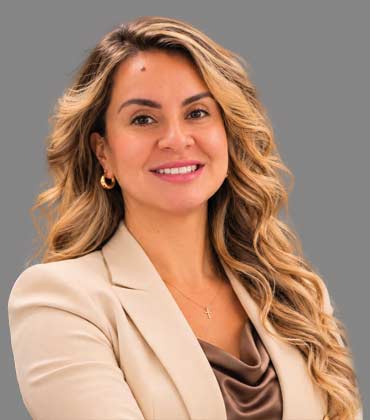
Leticia Smolyaninov
Aligning Workforce Strategy with Business Needs
HR processes have to grow with the business, not ahead of it or behind it. Most of our people work in the shop and in the field, so growth puts pressure on hiring speed, supervisor capability and consistency. We strengthened recruiting, introduced more structured compensation and employee relations practices, and invested in leadership training. We also launched an internship program that rotates college students through the business and builds a pipeline of future project managers.
None of that works unless HR understands the business behind the people decisions. I work alongside operations, finance and the executive team so we can anticipate workforce needs instead of reacting to them.
The Everyday Practices That Retain People
The most effective retention tools I have used are not the most expensive. They are capable supervisors, regular feedback and communication people can actually use.
Supervisors shape most of an employee's day, so I train ours on coaching, performance conversations, and addressing concerns early. We moved to quarterly performance conversations so recognition and course corrections happen while they still matter. Because our workforce speaks both English and Spanish, every program and message has to work in both languages.
Retention is about building a place people want to stay, not persuading them not to leave.
Building Trust through Transparency
Employees want to understand the ‘why.’ How pay is set, where they can grow, and how changes will affect them. Pay still matters, but transparency and respect increasingly decide whether people stay.
Flexibility also means something different on a shop floor. A welder cannot work from home, but we can offer clear communication, real development opportunities and supervisors who listen. Benefits work the same way. People want to see the value of their total package. I sit in our benefits meetings with the CEO and president and give my perspective on how options will land with employees. Then I make sure our people understand their choices and what the company invests in them.
We cannot offer everything employees ask for. We can be transparent, consistent and honest about what we do offer. Attracting talent is about the promise an employer makes. Retaining talent is about keeping it.
Making Difficult Decisions with Fairness and Clarity
Balancing employee relations, regulatory compliance and business priorities is where HR leadership takes the most judgment. Every decision has to be fair to the employee, legally defensible, and sound for the business.
Working in multi-state and union environments taught me early that consistency and documentation protect everyone. My approach is the same whether the issue is an investigation, an accommodation or a termination: get the facts, weigh the risks, and bring leadership a fair, practical recommendation. Sometimes that means coaching a manager through a hard conversation. Sometimes it means telling the executive team that a decision carries more risk than it appears to.
In fabrication, safety raises the stakes. Clear expectations, applied the same way to everyone, are part of keeping people safe. A positive culture does not mean avoiding hard decisions. It means making them professionally and treating people with dignity.
Advice for Emerging HR Professionals
Know how the company makes money, what keeps operations leaders up at night, and how people decisions show up on the bottom line. Expertise in employment law and employee relations gets you into the room. Business knowledge earns you a voice there.
Build relationships with operations, finance and sales before you need them. Be willing to be the least popular person in the room when the situation calls for it, and stand behind your judgment.
Finally, do not wait for the title. HR leadership is measured by the trust you build, the leaders you develop, and what the organization can accomplish because of your work.
The articles from these contributors are based on their personal expertise and viewpoints, and do not necessarily reflect the opinions of their employers or affiliated organizations.

Be first to read the latest tech news, Industry Leader's Insights, and CIO interviews of medium and large enterprises exclusively from Manage HR Magazine
