
A featured contribution from Leadership Perspectives: a curated forum reserved for leaders nominated by our subscribers and vetted by the Manage HR Advisory Board.

Shaw Industries
Learning and Development in the Textile Industry
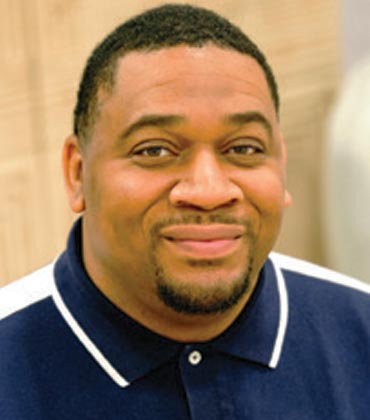
Brandon Springle
Brandon Springle spent three years as an HR manager at Shaw Industries, responsible for complex investigations and training employees on harassment, discrimination, and more. For the last two years, he has been working as the divisional HR director, supporting hard surface manufacturing, automation, and engineering services.
In an interview with Manage HR, Springle talks about his key roles and responsibilities and how he solves any challenge that comes his way. He also talks about his strategy of focusing on surveys to hear his employees’ voices and make necessary changes.
What are some challenges that you have encountered in the industry so far?
One of the biggest challenges would be the war for talent in a competitive environment. There is a need to develop internal talent and increase talent mobility, because bringing in individuals from outside the organization is tougher.
So, we need an internal strategy for upskilling our talent in alignment with emerging technologies and rapidly changing business conditions. We are also preparing for the future by focusing on our talent and making sure that we are equipped with the necessary skill sets and strong learning culture.
How do you align your HR strategies with the overall business objectives of the firm?
We start with alignment from the top and being really clear on what our strategy is, ensuring that we are prioritizing the right tasks. This requires a feedback loop and clear communication from our executive team, communicating the strategy to the leadership.
The key to an effective strategy is clarity in communication and ensuring we complete the right tasks in a safe environment, where individuals can innovate and solve problems. Being confident in bringing forward suggestions and improvements is important, so we stay on top of the game.
What are some strategies that you adopt to retain talents in your organization?
One of the most critical strategies we follow is focusing on surveys, ensuring that we hear our employees’ voices, and making changes where needed. We provide the most transparent experience so people understand the work that they are doing and why it matters so, they have a fulfilling work life.
" The key to an effective strategy is clarity in communication and ensuring we complete the right tasks in a safe environment, where individuals can innovate and solve problems "
We are also willing to explain if we cannot make a change or if we can do it later, depending on how things shift. We are open and listen to feedback, taking immediate action based on what we hear.
How do you ensure effective communication and collaboration between different departments and employees within the organization?
At Shaw, we are really focused on HR being a part of the business and being a business leader, rather than just a HR leader. So, we face the same challenges and fight them together, ensuring that we are aligned, so people understand their role with clarity and move the needle forward. Ultimately, it’s about partnership, alignment, and creating safe spaces where people can innovate and be their best versions.
Are there any particular initiatives or projects you have been working on to enhance communication within the departments?
We are working to make sure that our organization is set for success through organizational design and development components so we have a secure change management strategy with a defined communication plan and key stakeholders. These are the intricate pieces to the process, so we understand and focus on the suitable systems and structures and the varying business conditions.
Do you have any advice for your fellow peers in the industry?
My biggest piece of advice would be to find the right balance between technical skills and capabilities, as well as human skills. The blended approach to human interaction skills with technology creates well-rounded professionals. This allows them to collaborate effectively and see each other as human beings that are helpful to one another.
The articles from these contributors are based on their personal expertise and viewpoints, and do not necessarily reflect the opinions of their employers or affiliated organizations.

Be first to read the latest tech news, Industry Leader's Insights, and CIO interviews of medium and large enterprises exclusively from Manage HR Magazine
