
A featured contribution from Leadership Perspectives: a curated forum reserved for leaders nominated by our subscribers and vetted by the Manage HR Advisory Board.

AtriCure, Inc
Building a Modern, Strategic Talent Acquisition Function
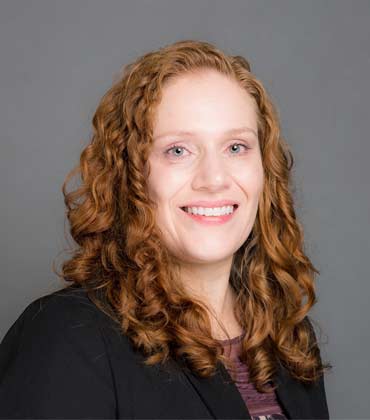
Kristen Guffey
As Senior Director of Talent Acquisition at AtriCure Inc., Kristen Guffey leads a global TA function, guiding the team to deliver high-quality, consistent results across the organization. She’s responsible for driving AtriCure Inc.’s overall hiring strategy, with a key focus on workforce planning. She developed AtriCure Inc.’s enterprise-wide workforce planning framework and is leading its rollout in close partnership with its HR Business Partner team. This includes introducing the framework, facilitating workshops and helping business leaders think more strategically about talent needs in alignment with long-term goals.
Moving the TA function from being reactive to becoming a true strategic partner to the business has been a long-term focus for us, one that’s taken consistent effort over the past decade. Moving from a transactional to strategic function starts with showing up early in the process, asking the right questions and demonstrating a deep understanding of the business. Share insights on market dynamics, candidate potential and assessment strategies, and stay engaged through every step. Over time, this builds credibility and trust, turning Talent Acquisition into a value-added partner the business actively seeks out.
Capturing Overlooked Moments in the Candidate Journey
One moment that can sometimes be overlooked is the candidate’s connection with their future manager. It’s important for the manager to build a genuine relationship early in the process by setting clear expectations and being transparent about the role, team dynamics and measures of success. When this connection is missing, it can lead to misaligned expectations, which often contributes to early turnover.
Another critical moment occurs after the final interview, while the candidate is awaiting next steps. This is a sensitive time where a lack of communication, even if unintentional, can lead to uncertainty or disengagement. Timely follow-up, clear updates and setting expectations for what comes next can make a significant difference in whether a candidate stays excited about the opportunity and ultimately accepts the offer.
A third area to watch is the balance between using technology and maintaining a human touch. While tools like automation and AI can improve efficiency, it’s important not to lose sight of the human aspect of recruiting. Personalized outreach, authentic conversations and consistent, thoughtful interactions help candidates feel valued. That sense of connection often plays a meaningful role in both offer acceptance and long-term engagement.
Creating Clarity and Ownership
We intentionally structure the team so that recruiters specialize in role types that share similar recruiting strategies. This allows for deeper expertise and greater efficiency, while also fostering strong relationships with the teams they support regularly.
Additionally, we’ve established internal subject matter experts who provide guidance and cross-training as needed. For example, with an upcoming maternity leave, we’re proactively training another team member on a specialized recruiting approach to ensure continuity and maintain quality.
Future-proofing Recruiting Practices
Stay curious and connected. Read widely, attend webinars and follow industry experts to keep a pulse on evolving trends. Don’t get stagnant, continuously ask, “How can we make this more efficient or more effective?”
Embrace technology, but don’t let it replace the human element. Automation can drive efficiency, but the most meaningful candidate experiences still come from personalized, thoughtful interactions.
One area we’re currently exploring is skills-based hiring. It’s an approach that’s gaining momentum across the industry and has the potential to open doors to more diverse, non-traditional talent. While we’re still evaluating how to implement it in a way that fits our organization, I believe it’s an important shift for TA professionals to be thinking about.
It’s also essential to build strong relationships with HR business partners and business leaders. Through our workforce planning framework, we’re creating opportunities to collaborate more strategically, identify gaps in talent or capabilities, and align hiring with broader organizational goals. That level of partnership helps TA stay proactive, not just reactive, and positions the function as a key contributor to long-term success.
The articles from these contributors are based on their personal expertise and viewpoints, and do not necessarily reflect the opinions of their employers or affiliated organizations.

Be first to read the latest tech news, Industry Leader's Insights, and CIO interviews of medium and large enterprises exclusively from Manage HR Magazine
