
A featured contribution from Leadership Perspectives: a curated forum reserved for leaders nominated by our subscribers and vetted by the Manage HR Advisory Board.

Alfred Miller Companies
Safety Starts before the Shift
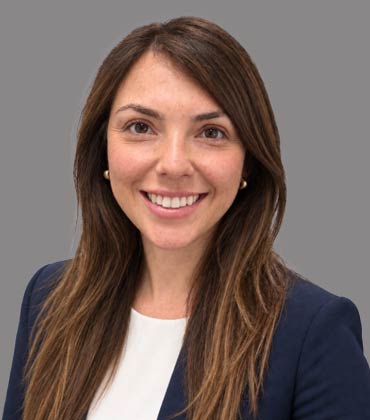
Kirsten Kerbow
At Alfred Miller Companies, Kirsten Kerbow works to carry safety expectations from the first day of employment into the plant and the field. That takes more than a policy or a single training. It takes a clear start, supervisors who reinforce the message, practical training, and steady follow-through.
I start with onboarding
Every employee needs a clear foundation before starting work. I appear in our internal safety onboarding video to welcome employees and explain key information they need to get started: our safety expectations, how to raise a concern, and where to turn for help. The video gives new employees a consistent introduction. I see it as the beginning of the conversation, not the end. Employees still need a chance to ask questions and hear how the expectations apply to their job. When onboarding is clear, people know that safety is part of the job from day one and that they have a role in speaking up.
Carry the same message into the work area
The next step is making sure the message does not stop at onboarding. I work with supervisors and managers to reiterate key expectations in the plant and at jobsites, where the work is happening. That means discussing required PPE, planning the task, recognizing changing conditions, and reporting incidents and near misses promptly. I coach leaders to explain expectations, invite questions, and follow up when they see a gap. Our Hammertime supervisor sessions also give managers space to build communication and leadership skills they can use in daily conversations with their crews.
“Safety has to be twoway. Through the Safety Committee, field observations, and employee reports, we can hear about concerns that may not show up in a formal incident report.”
Keep safety practical and visible
I create toolbox talks and organize safety meetings around the work employees actually do. Topics have included heat stress, equipment safety, electrical and cord hazards, rigging, housekeeping, and other everyday conditions that can create serious risk. Our plant-wide safety meetings are held in English and Spanish so employees can hear and discuss the information in the language they use at work. I also coordinate with internal subject-matter experts and outside partners when a demonstration or specialized training will help make a topic clearer. The goal is useful guidance employees can remember and apply, not paperwork that stays in a folder.
Build training opportunity with grants
I have also worked to bring training resources to Alfred Miller Companies by securing support through the state Incumbent Worker Training Program (IWTP) grant and a separate safety grant. That support helps the company provide more safety and leadership development, including training in OSHA topics, equipment, rigging, and supervisor skills. For me, the value of a grant is what it makes possible for employees: stronger knowledge, more practice, and a better chance to grow in their roles while doing the work safely.
Listen, stop, correct, and follow up
Safety has to be two-way. Through the Safety Committee, field observations, and employee reports, we can hear about concerns that may not show up in a formal incident report. One plant example involved a forklift being used with a missing lower retention pin at the mast connection. The operation was stopped, the proper pin was installed, and the concern was carried forward to check similar forklifts. That is the sequence I want employees and leaders to see: raise the concern, make the immediate correction, and look for a broader fix so the same hazard does not remain elsewhere.
Keep care and accountability together
My HR background shapes how I approach safety follow-up. When an injury, near miss, or policy concern occurs, we need to care for the employee, control any continuing hazard, gather facts, and communicate next steps. Employees deserve a fair review and clear expectations. Supervisors need support to coach consistently, and leaders need to verify corrective actions are complete. Listening does not remove accountability; it helps us understand what happened and choose a response that can prevent a repeat.
Make progress part of the routine
I coordinate safety work that continues after a meeting or audit. Our successful SHARP renewal in 2026 was an important milestone, built on preparation, employee participation, and attention to the workplace. It was also a reminder that a strong program is maintained through ordinary daily habits: onboarding, training, field checks, housekeeping, employee feedback, and follow-through. Monthly safety meetings, committee work, and supervisor coaching keep those habits in view.
The work I want to keep building
The part of my role I value most is connecting people practices to what employees face on the job. I want a new employee to hear a consistent message, a supervisor to know how to reinforce it, and a worker to trust that a concern will be taken seriously. When those pieces work together, safety becomes part of how we plan, communicate, and do the work every day. That is how I believe we build a stronger workplace for our employees and Alfred Miller Companies.
The articles from these contributors are based on their personal expertise and viewpoints, and do not necessarily reflect the opinions of their employers or affiliated organizations.
