
A featured contribution from Leadership Perspectives: a curated forum reserved for leaders nominated by our subscribers and vetted by the Manage HR Advisory Board.

Camillo Companies
Strengthening Leadership to Drive Business Growth
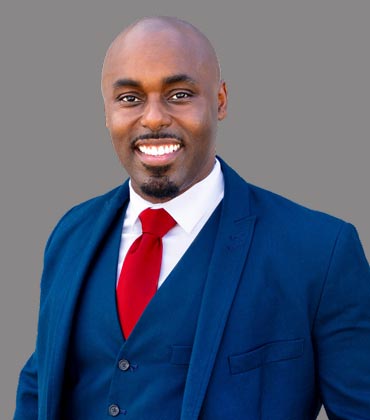
Kelvin Scott
Scale is not about size. It is about clarity. That is the thread running through everything I have learned leading people and culture across organizations that look nothing alike on the surface. Six Flags theme parks property with more than 3,500 employees, two Major League Baseball clubs and now Camillo Companies, a family-owned real estate and construction business. A workforce strategy scales when the principles stay constant even when the delivery flexes, and every stop in my career has taught me a different way to hold that line.
At Six Flags, the challenge was sheer volume and transience. During the 2008 housing crisis, many of our employees were facing real hardship, and I learned that giving people a genuine voice, not a suggestion box but actual influence over their working conditions, builds loyalty no retention program can buy. Whether a workforce is 200 people or 3,500, people stay where they feel heard.
With the Atlanta Braves, a test was with a major transition: the move from Turner Field to SunTrust Park (now Truist Park). My job was not to reinvent a strong employee-first culture but to protect it through change. We kept the processes that worked, retained most of our staff and improved the programs that developed people. The trainee program, a year-long externship for recent college graduates that rotates through the business and includes a sales project, became a genuine pipeline, producing roughly 70 percent of our full-time hires. That is people strategy as business strategy: we knew what talent the growing organization would need and built the pipeline deliberately, so as the business expanded into a new ballpark and the revenue that came with it, the talent was already forming.
The Washington Nationals presented a different kind of disruption. We came off a World Series win in 2019 and went straight into COVID with a remote work transition and hard conversations about diversity and belonging. Leading through that taught me that a strategy has to be portable enough to survive circumstances no one planned for.
“Stronger leaders move the business needle. They resolve issues at their own level, catch problems earlier and return time and attention to the business, which is what lets a growing organization move faster without breaking.”
At Camillo, I brought all of it together. We moved HR from a two-person administrative shop to a true strategic partner, brought three operating companies together under an HR shared services model, and supported our executives on mission, vision, and values before we touched structure. One function with one view of the whole workforce, the culture and the goals that support business objectives: that single view is what let us look across all companies for people ready to grow and thrive.
The same discipline showed up in the numbers. Through analytics, we looked hard at where our outside recruiting spend actually went, refined the shared services model, streamlined our interview processes and trained managers to run strong, consistent interviews themselves. Together those changes cut our outside recruiting firm costs by nearly 40 percent, and that was real money redirected back into the organization. The hires themselves came faster and performed better, because the managers who owned the roles were the ones evaluating the candidates. Our first internship program, launched in 2021, keeps feeding that pipeline with annual cohorts that convert to full-time employees.
Technology sharpened all of it. I led the consolidation of three separate HRIS platforms onto one unified HCM system, which gave us one source of truth for HR data, our first company-wide performance management process, electronic onboarding and recruiting with a true applicant tracking system and lower system and administrative costs, with connected data catching compensation gaps before they became expensive problems. Pay vendor data made our pay decisions defensible and consistent. Employee survey data gave us three listening posts across the employee journey, and the result I am proudest of is our employee net promoter score, which improved from 12 to 81. A communication-based profile helps people understand themselves and each other in small daily ways, and I serve on Camillo's AI development team, building AI policy and the training every employee completes, because people who use these tools well move faster and make fewer errors, and that capability compounds across every department, not just HR.
Underneath all of it sits one conviction: stronger leaders make better decisions, build healthier teams and communicate more clearly. Our leadership development program is a rhythm of feedback, coaching, and real assignments, not a course with a completion certificate, and it is a large reason we have earned Top Workplace designations for multiple years. Stronger leaders move the business needle. They resolve issues at their own level, catch problems earlier and return time and attention to the business, which is what lets a growing organization move faster without breaking.
If I had to name one practice above all, it would be this: treat every leadership role as a development role, because everything we hope to achieve depends on our people. Our vision is a fully engaged, diverse, inclusive and high-performing workforce that connects with our purpose and lives our values every day. Leaders are how that vision becomes real. When developing others is part of the job and not an HR program, people grow, stay and thrive. Then accountability, capability and stability stop being initiatives and start being culture.
The articles from these contributors are based on their personal expertise and viewpoints, and do not necessarily reflect the opinions of their employers or affiliated organizations.
