
A featured contribution from Leadership Perspectives: a curated forum reserved for leaders nominated by our subscribers and vetted by the Manage HR Advisory Board.

United Franchise Group
Building Stronger Employee Relationships through Positive Workplace Culture
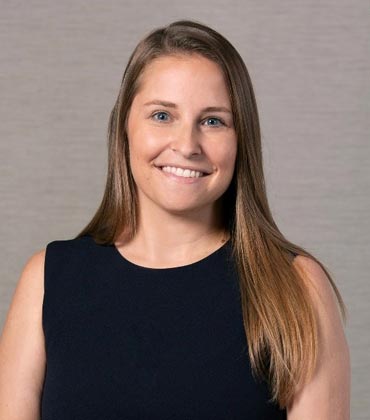
Kaitlyn Mills
Building Workplace Culture through Connection and Growth
A positive workplace culture is not created by a policy or a set of values displayed on a wall. It is built through relationships, consistency and a genuine investment in people. Employees experience culture in the way they are treated every day, particularly by their leaders and the colleagues with whom they work most closely.
Having spent many years with United Franchise Group, I have had the opportunity to see the organization grow and evolve across brands, functions, locations and countries. Throughout that growth, one of the most important elements of our culture has remained our sense of connection. As a family-owned organization, we strive to foster collaboration, support and mutual respect while ensuring employees understand how their work contributes to a shared purpose.
HR helps strengthen that culture by creating meaningful opportunities for employees to connect beyond their immediate job responsibilities. At UFG, programs such as our Ambassador Program, Mentor Program, UFG Academy, New Hire Roundtables, Foundry, coaching and leadership development provide employees with different ways to build relationships and continue growing throughout their careers. These programs matter because employees do not all engage or develop in the same way. One person may benefit most from a mentor, another from coaching and another from exposure to leaders or departments outside of their normal role.
Ultimately, people want to know that they matter. When employees feel valued, respected and connected to the organization, stronger workplace relationships tend to follow.
Connecting Leadership Consistency with Employee Trust
Consistency is one of the biggest factors in building trust. Employees pay attention not only to what leaders say, but also to whether their actions support those words. Effective leaders are accessible, communicate honestly, listen carefully, follow through on commitments, and remain willing to have both easy and difficult conversations.
“HR professionals must remain curious, adaptable and willing to model the continuous development they encourage in others.”
Trust is not built only when things are going well. In many cases, it is strengthened when a leader handles a challenging situation fairly, respectfully and transparently. Employees may not agree with every decision, but they are more likely to trust the process when expectations are clear, and they believe their concerns have been heard.
Regular one-on-one conversations are also essential. Managers should not wait for an annual performance review to ask employees how things are going, what obstacles they are experiencing, or where they want to grow. Meaningful feedback, recognition, coaching and career conversations demonstrate that leadership is invested not only in today's results, but also in the employee's future.
Maintaining Employee Engagement across Diverse Teams
Maintaining engagement in a franchise-based organization requires flexibility because employees may work across different brands, departments, locations, career stages and cultures. A single program or communication style will not meet every employee's needs. What should remain consistent is the employee experience and the connection to the organization's purpose.
At UFG, our mission is simple: ‘We have one customer—our franchisee. When they are successful, we are successful.’ That shared purpose gives employees a common point of connection even when their roles are very different. HR's responsibility is to help employees see how their individual contributions support that larger mission.
Engagement must also extend across the entire employee lifecycle. It begins during recruiting and onboarding, but it cannot end after an employee's first few weeks. Employees need continued opportunities to learn, contribute, receive feedback, form relationships, and prepare for future responsibilities. Managers play a critical role by providing role clarity, training, regular communication and an environment where employees feel comfortable asking questions and sharing ideas.
Making Communication a Two-Way Workplace Practice
Consistent communication is at the center of a supportive and collaborative workplace. When communication is unclear or inconsistent, employees often fill in the gaps themselves, which can create uncertainty, frustration and mistrust. Clear communication helps employees understand expectations, organizational changes, goals, performance standards and direction.
However, communication must go both ways. Employees need opportunities to ask questions, provide feedback, raise concerns, and know that someone is genuinely listening. Communication should not occur only when there is a problem. If the only time an employee receives meaningful feedback is when something has gone wrong, the organization has missed an important opportunity to strengthen the relationship. The strongest workplace relationships are usually built through many small conversations over time, not one major conversation once a year.
Developing the Skills to become an Effective People Leader
For aspiring HR professionals, my first piece of advice is to learn the business, not just HR. Knowledge of employment law, benefits, recruiting and employee relations is important, but effective HR leaders must also understand how the organization operates, how it serves its customers, and what pressures its leaders and employees face.
Second, learn to listen. HR professionals are often expected to have answers, but some of our most important work begins by asking the right questions and fully understanding the situation before responding. Third, do not avoid difficult conversations. Strong people leaders balance empathy with accountability and advocate for employees while recognizing the needs of the business.
Finally, never stop learning. Technology, employment laws, employee expectations and workplaces will continue to change. HR professionals must remain curious, adaptable and willing to model the continuous development they encourage in others.
The articles from these contributors are based on their personal expertise and viewpoints, and do not necessarily reflect the opinions of their employers or affiliated organizations.
