
A featured contribution from Leadership Perspectives: a curated forum reserved for leaders nominated by our subscribers and vetted by the Manage HR Advisory Board.

MRM Brasil
The Business of Understanding Professional Persona
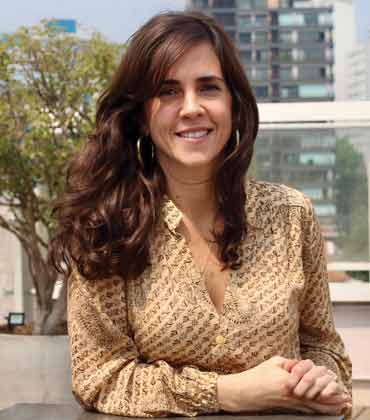
Julia Engel
More than 20 years of experience driving high performance and delivering results across business and strategy have shaped my perspective on talent and leadership development.
Having worked on the front line, I understand the pressure to deliver, make precise decisions, and navigate business challenges firsthand. My marketing background developed my interest in consumer behavior and human decision-making. Moving into HR expanded my perspective from viewing people as consumers to understanding them as individuals, leaders, and professionals.
This holistic lens helps me connect business performance with human behavior and develop talent and leadership by understanding what truly drives people and organizations.
Knowing the Game and the Player
Anyone looking from the outside can often see further because they are not feeling the pressure of the game. As HR professionals, we are uniquely positioned to guide people, challenge perspectives, and help them navigate obstacles. The challenge is getting close enough to talent to earn trust and understand their experiences, while maintaining the objectivity to step back when needed and the empathy to step in when it matters. In practice, I constantly balance human connection with practical, decisive judgment.
I follow structured initiatives but always leave room for humanity and intuition. Leadership often means recognizing subtle signals, behaviors, and shifts before they are openly expressed. Informal conversations with employees, without a specific agenda, create opportunities for active listening and reveal early signs that enable preventive action, such as resolving conflicts, removing barriers, and protecting productivity.
Trust is the foundation. Like my interactions with my children, I believe in entering people’s worlds through genuine conversations, transparency, and understanding. HR must remain alert and present in everyday interactions, whether in hallways, over coffee, or through informal exchanges that shape the employee experience.
When addressing difficult situations, I try to move beyond the traditional HR role and create an honest conversation between human beings. Showing genuine emotion and lowering my own defenses often allows others to do the same, creating deeper and more meaningful dialogue. The same applies to interviews. I look beyond rehearsed answers and professional narratives by exploring candidates’ life journeys and introducing unexpected questions that reveal the person behind the profile.
For me, the human being always comes first. Every professional outcome is shaped by the person behind it. This perspective also guides how I approach departures, especially involuntary ones. Sharing my own experience of dismissal helps demonstrate empathy and reinforce that one difficult moment does not define someone’s professional journey. HR is often viewed as a bureaucratic function that delivers difficult messages. That is why building trust matters. When HR becomes more authentic, approachable, and human, it moves from being an administrator to becoming strategic partner and coach, someone who understands the game, sees the bigger picture, and helps people perform at their best.
Creating a Culture Where People and Performance Thrive
My background in marketing and consumer behavior led me to apply the same perspective to the employee experience. I began mapping the entire employee journey, from attracting talent and onboarding to engagement, development, progression, and departure. At each stage, we define key activities, objectives, and strategies, allowing us to monitor the experience, strengthen what works, and adapt where needed to create a more meaningful professional lifecycle.
The purpose is simple: to create an environment where people feel empowered to be themselves. I believe unlocking potential requires two essential conditions: psychological safety and autonomy. People need to feel secure enough to take risks, challenge themselves, and grow.
A strong sense of belonging is central to this. When people feel valued, accepted, and safe, they are more willing to innovate, learn from mistakes, challenge the status quo, and take ownership. When individuals can bring their best selves to work, performance becomes a natural outcome and the organization benefits from their full potential.
Staying Open to People
The first principle is to remain open. As HR professionals, we must begin from a place of neutrality, free from bias, assumptions, and fixed ideas about how we should support people.
" When HR becomes more authentic, approachable, and human, it moves from being an administrator to becoming a strategic partner and coach. "
The starting point is simple: listen, accept, and truly see the individual.
While the instinct may be to provide answers or find solutions, leadership also requires the humility to recognize that we cannot solve every situation. Effective HR professionals must let go of the pressure to always have the answer, understand that situations are rarely simply right or wrong, and remain transparent in every interaction.
Ultimately, HR is a human exchange. Sometimes the best solutions are not delivered but created together through genuine dialogue, shaped by the person and situation.
That same openness is essential for HR professionals who want to grow into strategic People & Culture leaders while remaining genuinely connected to their people. Stay open to different perspectives, experiences, and ideas that challenge convention. Never approach talent with a fixed agenda or standard questions. Instead, look beyond the persona people present and uncover the person behind the professional profile.
Only by understanding who someone truly is can we support their growth, development, and potential. For me, this is the true role of HR: to see the individual beyond the role, understand their reality, and become a genuine partner throughout their professional journey.
The articles from these contributors are based on their personal expertise and viewpoints, and do not necessarily reflect the opinions of their employers or affiliated organizations.

Be first to read the latest tech news, Industry Leader's Insights, and CIO interviews of medium and large enterprises exclusively from Manage HR Magazine
