
A featured contribution from Leadership Perspectives: a curated forum reserved for leaders nominated by our subscribers and vetted by the Manage HR Advisory Board.

Alianza Team Mexico®
What's at the Heart of Modern HR Leadership?
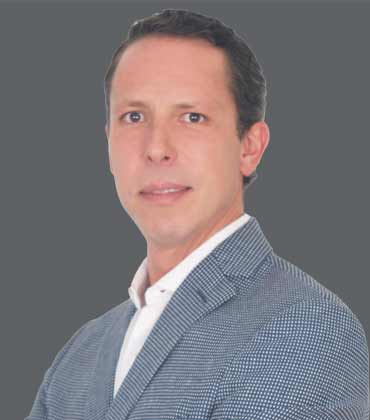
Jose Manuel Tellechea Sobrino
José Manuel Tellechea Sobrino, Director of Human Resources at Alianza Team Mexico® is a dynamic and results-driven HR Senior Director with over 18 years of international experience in transforming organizational cultures, optimizing talent management strategies, and driving employee engagement.
He has proven expertise in leading large-scale Human Resources functions, enhancing leadership capabilities, implementing data-driven decision-making processes and aligning HR initiatives with business objectives to foster a high-performance culture and improve retention rates.
Following is the conversation that we had with him.
Fostering Workplaces where People Thrive
My journey in Human Resources has always been centered on people and purpose.
Over the past 18 years, I’ve worked with very diverse teams at Nestlé, Colgate-Palmolive, CIE and more recently in Alianza Team Mexico®, leading HR functions that connect human potential with business growth.
At Alianza Team Mexico®, I see my role not just as managing HR, but as a catalyst for fostering a culture of innovation, collaboration, and continuous learning. I lead organization-wide initiatives focused on leadership development, cultural transformation, and building resilient teams capable of generating sustainable value for our people, our customers, and our planet. This aligns with our corporate philosophy, “Nurturing a Better Tomorrow,” which we bring to life by developing our talent through training, empowerment, and leadership, supporting everyone’s journey toward a fulfilling and successful life alongside our allies.
Like many HR leaders, I believe our function today is less about policies and more about enabling transformation, building resilience, and fostering workplaces where people thrive and grow with purpose.
Transforming Organizational Cultures across Multiple locations
One of the most challenging cultural transformations I’ve led was in the manufacturing sector, where we aimed to build a more inclusive environment for women, while simultaneously shifting toward a performance-driven culture during the pandemic.
Manufacturing environments often carry legacy mindsets around gender roles and hierarchical leadership. Our challenge was to disrupt those assumptions and demonstrate that building a more diverse and equitable workforce wasn’t only the right thing to do, but also a powerful driver of performance and innovation. We started by intentionally increasing female representation in frontline and leadership roles, partnering with operations to redesign roles, schedules, and development paths that supported work-life integration and career progression for women. But representation was just the first step.
The deeper shift came through leadership coaching, redefining successful metrics, and building accountability for inclusive performance. We embedded KPIs related not only to business outcomes but also to team development, inclusive behavior, and cultural impact. This reinforced the message: delivering results and fostering equity fully support each other. The transformation took time and consistent sponsorship, but the outcome has been a more agile, meritocratic, and engaged workforce where every voice is heard.
Balancing Strategic Business Goals with Emotional and Psychological Needs
Balancing strategic goals with the emotional and psychological needs of people is at the heart of modern HR leadership. Data provides essential insights; measures progress and ensures alignment with business objectives. But data alone doesn’t tell the full story. There are moments when the numbers may suggest one direction, but our conversations with employees, our understanding of team dynamics, or simply our intuition as people leaders may tell us something different. In those situations, I believe the key is to pause and integrate both quantitative and qualitative perspectives.
For example, in one transformation process, engagement surveys showed stable scores, but informal feedback and behavioral patterns revealed signs of fatigue and emotional strain. Rather than pushing forward at full speed, we adjusted our approach, recalibrating timelines, investing in manager support, and creating more space for dialogue.
The long-term result was stronger trust and better performance. At the end of the day, sustainable business outcomes come from people who feel seen, supported, and connected to purpose.
Our job in HR is to ensure that performance and well-being are not competing priorities, but part of the same equation.
Building and Sustaining a High-Performance Culture
Emotional attachment is often the invisible engine behind a high-performance culture.
When employees feel genuinely connected to the organisation’s purpose, its leaders, and its teams, their engagement shifts from compliance to commitment. They don’t just do the work; they care about the outcome.
That sense of belonging drives discretionary effort, resilience, and innovation. In my experience, emotional connection amplifies performance when three elements are present: clarity of purpose, trust in leadership, and meaningful recognition. Without emotional buy-in, even the most sophisticated performance systems will under deliver.
Early indicators of strengthening attachment include increased collaboration, proactive idea sharing, and a willingness to go beyond minimum expectations, especially during challenging times. On the other hand, signs of weakening attachment often surface, like for instance: reduced participation in voluntary initiatives, less peer recognition, emotional withdrawal, and eventually, exits that come without much dialogue.
Measuring engagement helps, but listening deeply through manager check-ins, pulse surveys, and informal conversations is just as critical. Emotional attachment isn’t a metric alone; it’s a signal of whether your culture is alive and aligned.
Embedding Coaching Principles into the Leadership Style
I see coaching not as a tool but as a mindset based on curiosity, active listening, and a belief in people’s potential. Embedding coaching principles into my leadership style means shifting from a directive approach to one that empowers others to reflect, own their growth, and make decisions aligned with their values and strengths.
In practice, this translates into creating spaces for open dialogue, asking powerful questions rather than giving quick answers, and seeing setbacks as opportunities for learning rather than judgment. It also means recognizing that sustainable performance is rooted in emotional clarity and self-awareness.
The impact has been profound. Teams feel more trusted, more capable, and more connected to their purpose.
This emotional engagement doesn’t just improve well-being; it directly fuels innovation, accountability, and long-term business growth. When people feel heard and challenged in the right way, their performance accelerates and so does the organizations.
Timeless Advice to Build a Meaningful and Successful Career in HR
Be yourself. Human Resources is about people, and people connect with what’s real. Don’t try to fit a mould; instead, bring your full self to the table and use that to build trust.
Second, spend time on the ground, on the shop floor, in the field, wherever your people are. That’s where the magic happens. That’s where culture lives, where challenges emerge, and where the best ideas are born. You can’t design meaningful HR strategies from a distance.
Third, understand the business. Know the operation inside out. HR adds real value when it becomes a strategic partner that speaks the language of the organization, not just the language of policies and programs.
And finally, stay curious. Stay ahead. HR is evolving rapidly through technology, data, behavioral science, and more. Be bold in bringing in new ideas, leading change, and challenging what’s always been done. That’s how you create real impact, not just in careers, but on lives.
In the end, modern HR leadership is not defined by the systems we build, but by the humanity we bring. As we move forward, our greatest responsibility is to create cultures where people are not just employed, but empowered, engaged, and inspired. Because when people thrive, organizations don’t just perform, they transform.
The articles from these contributors are based on their personal expertise and viewpoints, and do not necessarily reflect the opinions of their employers or affiliated organizations.

Be first to read the latest tech news, Industry Leader's Insights, and CIO interviews of medium and large enterprises exclusively from Manage HR Magazine
