
A featured contribution from Leadership Perspectives: a curated forum reserved for leaders nominated by our subscribers and vetted by the Manage HR Advisory Board.

Williams Lumber
People-Centric Leadership: Building Teams that Succeed Independently
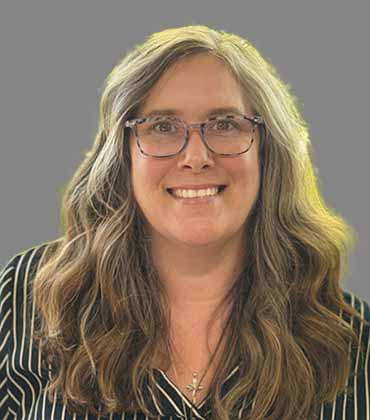
Jeannine Sottile
What makes someone a great leader? Is it their ability to make decisions, manage performance, or achieve business goals? Certainly, those things matter. But I believe effective leadership begins with something less measurable: the relationships we build with the people we lead. Without trust, leadership becomes little more than supervision.
Employees may follow directions and meet expectations when their manager is nearby. But what happens when that manager leaves? Are they still motivated to give their best, solve problems, and take ownership? Authority may produce compliance, but genuine leadership inspires people to contribute because they want to, not simply because they have to.
Building strong relationships requires us to listen, consider different perspectives, and accept that we don't have all the answers. Too often, managers feel pressure to appear certain and in control. I believe the strongest leaders recognize the talents of those around them and create opportunities for those talents to emerge. If every idea must come from the manager and every decision requires approval, are we developing future leaders or teaching people to wait for instructions?
Leadership also requires courage. The fear of making mistakes can become a greater obstacle to success than the mistakes themselves. Leaders must make thoughtful decisions without guarantees and allow others to take reasonable risks and learn from errors. Accountability remains essential, but growth rarely happens without discomfort. We cannot expect people to become confident decision-makers while refusing to let them make decisions.
One misconception in business is that developing “soft skills” means placing less emphasis on results. Nothing could be further from the truth. Being people-centric means understanding that people make business success possible. Communication, empathy, emotional intelligence, and employee development strengthen accountability rather than replace it. Managers can be kind while maintaining high expectations, and organizations can care about employees while focusing on performance, productivity, and profitability. Investing in people supports long-term business success.
In my work with managers, one common challenge is giving difficult feedback. Some worry about an employee's reaction, while others want to be liked. Yet consider an employee who struggles for years without receiving honest guidance because their manager avoids uncomfortable conversations. When a new manager finally addresses the problem, the employee may wonder why nobody spoke up sooner. By avoiding discomfort, the previous manager denied them an opportunity to grow.
Honest feedback, delivered respectfully and with a genuine desire to help someone succeed, is an act of courage and kindness. When employees know their manager is invested in their success, constructive feedback becomes an opportunity for improvement rather than personal criticism. Leadership isn't about always being the good guy; sometimes it means having the conversation no one else wants to have.
“Successful leadership is measured not by how much people depend on us, but by how well we prepare them to succeed independently.”
Leaders must also create environments where employees feel comfortable expressing different perspectives. This doesn't mean every suggestion will be implemented, but employees should know their opinions will be considered. Some of the best ideas come from people closest to the work, yet their contributions can be lost when they feel unwelcome. Similarly, businesses may lose good employees without understanding why, missing opportunities to address frustrations before they lead to departures.
A healthy workplace isn't one without disagreement. It's one where differences are discussed respectfully and contributions are valued. Leaders who welcome challenges gain access to ideas that can improve decisions, processes, and growth. Employees should not simply carry out instructions; they should contribute to the direction and success of the business.
Leadership development isn't limited to formal training, seminars, or succession plans. Meaningful development happens in everyday moments: when managers explain their decisions, encourage independent problem-solving, coach employees through mistakes, and recognize potential others may not see in themselves. Over time, these interactions build confidence, judgment, and leadership capabilities.
Human Resources plays an important role in this process. Our responsibility extends beyond policies, compliance, and resolving employee issues. We can help managers communicate clearly, establish expectations, navigate difficult conversations, and develop employee strengths. By doing so, we influence not only their current teams but also the future leaders they may eventually become. The behaviors we reinforce today can shape an organization's leadership culture for years.
We should reconsider how we define a successful leader. Is it someone who always has the answers, makes every decision, or leads a team that cannot function without them? Or is it someone who develops a capable, confident, and committed team that succeeds even in their absence? To me, leadership isn't about proving our importance; it's about recognizing and developing the potential in others.
It takes confidence to admit we don't know everything, courage to make decisions and give honest feedback, and patience to develop people rather than simply direct them. Being people-centric isn't a departure from business success; it's a pathway to it.
Ultimately, a leader's greatest achievement isn't creating a team that depends on them for everything. It's building a team that can succeed independently. We develop future leaders through the opportunities we provide, the conversations we are willing to have, and the example we set every day.
Successful leadership is measured not by how much people depend on us, but by how well we prepare them to succeed independently.
The articles from these contributors are based on their personal expertise and viewpoints, and do not necessarily reflect the opinions of their employers or affiliated organizations.

Be first to read the latest tech news, Industry Leader's Insights, and CIO interviews of medium and large enterprises exclusively from Manage HR Magazine
