
A featured contribution from Leadership Perspectives: a curated forum reserved for leaders nominated by our subscribers and vetted by the Manage HR Advisory Board.

and HR Business Partners at Attijariwafa Bank Egypt.
Implementing Strategies for Bridging the Gaps in Banking
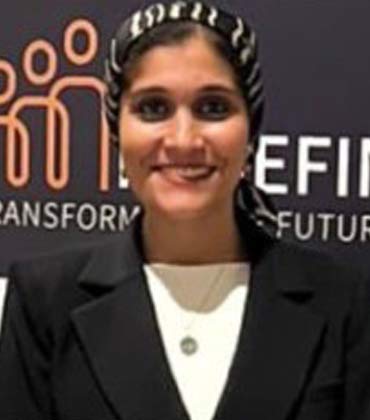
Salma Hussein
Salma Hussein is the Head of Learning, Talent, and HR Business Partners at Attijariwafa Bank Egypt. With over 17 years of experience, Hussein is an accomplished leader specializing in talent management and organizational development. She is renowned for her strong leadership skills, effective communication, and her ability to build and maintain successful partnerships.
Could you describe your career journey so far and your key responsibilities at Attijariwafa Bank Egypt?
I started my career as an MI analyst at Barclays in the UK. During my time there, I observed my colleagues working in HR, which sparked my passion to pursue a career in the same field. Motivated by this, I obtained an HR diploma and began working as a trainer, gradually transitioning my career into HR. With 17 years of experience in the industry, I have developed a comprehensive understanding of various HR areas, including learning and talent performance, business partner governance, MI analytics operations, payroll, and rewards.
Currently, I hold the position of Head of Learning, Talent, and HR Business Partners at Attijariwafa Bank Egypt. In this role, I am responsible for overseeing recruitment, organizational development, and operations.
Please shed light on some of the prominent challenges in banking sector today?
The pandemic and the subsequent shift to remote and hybrid work models have presented significant challenges for us. Factors such as devaluation, inflation, and other economic impacts have further compounded these challenges, making it difficult for us to effectively manage costs and rewards for our external environment and employees.
“Investing time in employees by engaging with them and listening to their ideas will benefit organizations in the long run.”
Additionally, we are facing the challenge of navigating the differences in background and interests among the generations entering the workforce. While we were previously working with millennials, we now have the emergence of Generation Z, who bring their own unique set of challenges. Finding ways to meet these challenges and retain them as long-term clients is particularly challenging in the current circumstances.
Furthermore, as more employees are returning to the office after extended periods of remote work, engaging and communicating with them, and helping them readjust their mindsets to the office culture and environment requires significant time and effort. Reshaping their work habits and aligning them with the office environment is a time-consuming process.
Are there any specific procedures or strategy that you have in place to bridge the gap between younger and older generations at Attijariwafa Bank Egypt?
To foster a collaborative work environment, it is crucial to establish a competitive edge through effective employer branding. This involves highlighting the perks and benefits that appeal to employees, such as work-life balance, well-being initiatives, flexible working hours, and dress codes. By emphasizing these aspects, we can attract and retain talented individuals who are seeking a supportive and inclusive workplace.
Furthermore, effective communication plays a pivotal role in bridging the gap between different generations in the workforce. It is essential for individuals from different age groups to find common ground and engage in open and respectful dialogue. By aligning their views and opinions with the organization's goals, we can enhance productivity and foster a harmonious work environment. It is also important to focus on areas of shared interest, facilitate the scaling and reskilling of employees, and embrace and celebrate the diversity of the workforce. These efforts will help to reduce the generation gap and build a stronger, more cohesive organization.
How do you think technology will change the HR landscape in coming years?
I believe that AI tools will play an increasingly prominent role in making HR processes seamless. Today, with AI platforms and systems in place, we can effortlessly monitor employee behaviors to identify their challenges and performance issues. For instance, if an employee consistently arrives late, AI tools can quickly identify the individuals and their locations, allowing us to determine the appropriate solution.
AI can also be utilized for analyzing data from various employee surveys, offering valuable insights for organizations seeking to enhance their employer branding and overall strategy.
It is important to note that while AI tools can be highly beneficial in HR processes, they should be used ethically and with careful consideration for privacy and data protection. The human element and judgment remain essential in interpreting and implementing the insights provided by AI technologies.
In your experience, what will be your advice to the fellow peers in the industry?
It is always better to analyze the basics and focus on internal communication strategies to yield better results. Investing time in employees by engaging with them and listening to their ideas will benefit organizations in the long run. "Indoor marketing" is of great focus these days, wherein engaged and committed employees become brand ambassadors of the company, attracting talent.
The articles from these contributors are based on their personal expertise and viewpoints, and do not necessarily reflect the opinions of their employers or affiliated organizations.

Be first to read the latest tech news, Industry Leader's Insights, and CIO interviews of medium and large enterprises exclusively from Manage HR Magazine
