
A featured contribution from Leadership Perspectives: a curated forum reserved for leaders nominated by our subscribers and vetted by the Manage HR Advisory Board.

Keynote Strategies, Fossil Group
How Language Services Empower Training and Development in a Multilingual Workforce
Devin Mercer
Language services, including translation, localization, interpretation, and voice-over/dubbing, are crucial for overcoming communication barriers, enhancing professional development, and promoting diversity, ultimately contributing to long-term organizational success.
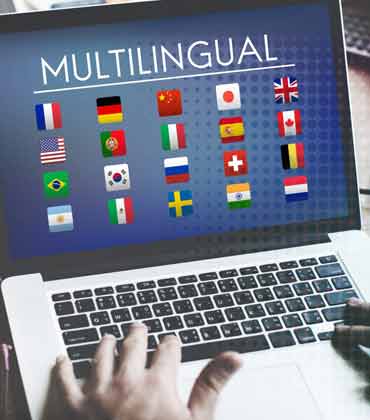
Global workers today face a remarkable reality characterized by a rich tapestry of languages and cultures. The imperative to facilitate effective training and development for personnel with diverse language proficiency presents a distinctive challenge, notwithstanding the abundance of talent and perspectives inherent in this diversity. Consequently, the strategic implementation of language services becomes indispensable in harnessing the full potential of a multilingual workforce.
Language services play a pivotal role in addressing communication barriers by providing essential solutions such as translation and localization, interpretation, and voice-over/dubbing services. In training, these services ensure that instructional content, including manuals, presentations, and eLearning modules, is meticulously adapted to align with the languages spoken by employees, promoting clear comprehension and mitigating the risk of misinterpretations. Moreover, live interpretation during training sessions facilitates seamless communication, fostering real-time engagement, especially during interactive sessions, Q&A, and discussions. Additionally, the incorporation of voice-over narration or dubbing in various languages for training videos and multimedia content enhances the overall learning experience, catering to diverse learning styles. These language services collectively contribute to breaking down language barriers, fostering effective communication, and optimizing the educational impact of training initiatives.
The utilization of language services in training goes beyond mere accessibility, profoundly influencing professional development and skill enhancement in various dimensions. One notable impact is heightened engagement among employees, as comprehension of training content encourages active participation, inquiries, and valuable contributions. This involvement contributes to a more engaging and enriching learning experience overall. Additionally, the provision of training content in employees' preferred languages enhances knowledge retention, facilitating a more effective grasp of concepts and their practical application. Mastering new skills through language services also cultivates a boost in confidence, empowering employees to tackle more significant challenges with assurance. Furthermore, language services play a pivotal role in fostering diversity and inclusion in the training environment. Recognizing and valuing the diverse linguistic backgrounds of employees contributes to a more inclusive workplace and also promotes collaboration and cooperation across cultures.
The landscape of language services is in a perpetual state of evolution, driven by advancements in cutting-edge technologies. Noteworthy developments include the progression of machine translation tools, specifically neural machine translation, which has significantly enhanced the accuracy and nuance of translations, thereby elevating the quality of training materials. Additionally, the emergence of remote interpreting platforms has revolutionized language support by facilitating real-time communication with interpreters irrespective of geographical constraints. This enhances flexibility and also contributes to cost-effectiveness. Furthermore, interactive language learning tools, such as mobile apps and games, play a pivotal role in fostering engaging avenues for employees to refine their language skills. These tools are instrumental in promoting continuous learning and development within the workforce.
Leveraging language services for training and development represents a strategic investment in the team, transcending mere financial considerations. By eliminating language barriers, organizations can harness the full potential of their diversified talent pool, foster a more inclusive workplace environment, and equip their staff with the necessary tools to thrive in an increasingly globalized market.
The adoption of multilingual training not only aligns with pragmatic business objectives within the current competitive landscape but is also integral to cultivating an empowered, engaged, and well-prepared workforce. This approach enhances operational efficiency and contributes significantly to the long-term success and sustainability of the organization.
The articles from these contributors are based on their personal expertise and viewpoints, and do not necessarily reflect the opinions of their employers or affiliated organizations.

Be first to read the latest tech news, Industry Leader's Insights, and CIO interviews of medium and large enterprises exclusively from Manage HR Magazine
