
A featured contribution from Leadership Perspectives: a curated forum reserved for leaders nominated by our subscribers and vetted by the Manage HR Advisory Board.

Frazier & Deeter
Growing the Business Growing the People
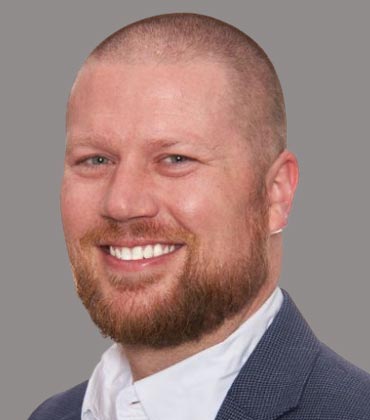
Shawn Minard
Shawn Minard works in people strategy, focusing on how organizations attract, develop, and retain talent aligned with business direction. His work spans leadership development, employee experience, and performance systems that connect day-to-day work with longer-term growth. Minard has also contributed to inclusion initiatives and partnered with leadership teams on workforce planning and culture design to support organizational effectiveness across complex global organizations.
Initial Foundations in HR
My perspective on balancing growth and culture has been shaped by nearly 25 years in human resources. I spent the first 20 years of my career in the technology industry, including a decade at E-Trade Financial and another decade at Ultimate Software. During that time, I worked across recruiting, HR systems, compensation and benefits and learning and development, gaining a broad understanding of how organizations attract, develop and retain talent.
Five years ago, I joined Frazier & Deeter at a pivotal point in the firm’s evolution. The organization had a clear vision for expansion across the U.S. and globally and leadership recognized that achieving those ambitions would require investments in key operational functions, including HR, finance, marketing and technology.
I built a best-in-class people-and-culture team capable of supporting that vision.
What began as a team of two or three people has grown into a global people and culture function of approximately twenty professionals. Today, the team is organized across four core areas: recruitment, employee experience, learning and development and people operations. Together, these groups support talent acquisition, employee experience, leadership development, workforce analytics, systems management and acquisition integration. Building that foundation has been critical in preparing the organization for continued expansion while maintaining consistency across the employee experience.
Aligning People Strategy with Business Growth
Over the past year, Frazier & Deeter effectively doubled in size from an employee-count perspective. Growth at that pace creates tremendous opportunity, but it also presents a challenge that many organizations underestimate: preserving culture while expanding rapidly.
“New offices, acquisitions and growing teams can strengthen an organization, but only if employees remain connected to a shared purpose and a common set of values,” says Minard.
Throughout my career, I have believed that sustainable success is built by creating environments where people feel appreciated, know they are adding value and understand the impact they have on the business.
That challenge has shaped much of my work over the past five years at Frazier & Deeter. As the firm has expanded across new markets and integrated new teams, my focus has been on ensuring that our people strategy evolves alongside our business strategy. Preserving culture while preparing for the future has become one of the most important responsibilities of modern people leadership.
Leadership Rooted in Trust and Autonomy
When I think about leadership, I always return to one simple belief that people want three things. They want to feel appreciated, add value and make an impact. Regardless of role, industry, or career stage, those needs remain remarkably consistent. Organizations that intentionally create environments where employees experience those three things are far more likely to build strong engagement, retention and culture.
One of the principles that guides my leadership approach is what I call trust by default. Too often, organizations invest significant time and energy in hiring talented people and then limit their ability to contribute once they arrive. My perspective is straightforward: we hired them because they are good. Leaders should establish a clear vision, define success and then give employees the freedom to determine how they achieve the outcome.
I often describe this through a bowling analogy. The pins represent the goal. As leaders, our responsibility is to define those pins clearly and ensure employees understand the destination. How they choose to roll the ball is up to them. They may take a different path, but that often creates opportunities for innovation. Our role is to act as the gutter protector, stepping in when needed while preserving ownership and autonomy.
Scaling Culture with Discipline
Culture does not scale on its own. As organizations become larger and more complex, preserving culture requires intentional systems, consistent communication and disciplined execution.
One of the most important ways we protect culture is through how we hire. Cultural alignment is one of our highest priorities because technical skills can often be developed, while mindset and behavior are much more difficult to teach. Guided by Patrick Lencioni’s concept of the ideal team player, we seek individuals who are humble, hungry, and smart. Beyond technical competence, we look for emotional intelligence, collaboration, communication skills and a genuine desire to contribute to a people-first culture. Protecting and strengthening that culture remains one of our most important responsibilities as we continue to grow.
In employee relations, we place significant emphasis on transparency and clarity. Proper documentation, clear expectations and ongoing communication help employees understand where they stand and what success looks like. Whether addressing performance concerns, investigations, or improvement plans, our goal is to ensure employees remain informed throughout the process. When necessary, we work closely with legal counsel to ensure compliance while maintaining fairness and consistency.
Performance management has been another area of significant transformation. We have moved away from formal one- or twotime-a-year performance conversations and embraced a continuous feedback model. Employees receive input from leaders, peers and colleagues in real time, allowing them to make adjustments and continue developing without waiting months for a review cycle.
To me, performance management is less about the process and more about the conversation. Creating a culture where people can have honest, constructive discussions when they matter most ultimately drives stronger performance and development.
As Frazier & Deeter has expanded through acquisitions and organic growth, preserving culture has become one of our most important challenges. Over the past year, we effectively doubled in size from an employee-count perspective. Growth at that pace can create significant disruption if culture is not intentionally protected. To address that challenge, we have invested heavily in onboarding, integration and cultural alignment. Newly acquired firms are fully integrated into our systems, processes, and operating model, ensuring employees experience a consistent culture regardless of location. While this requires substantial effort and investment, it helps us maintain a strong one-firm mindset as the organization continues to evolve.
“Find mentors who are willing to invest in your growth, challenge you, and help you develop your strengths. The right mentors can open doors, broaden perspectives, and create opportunities that shape an entire career.”
Aligning Talent and Business Strategy
At Frazier & Deeter, people strategy is not a supporting function. It is one of the four pillars of our overall strategic plan. As a member of the firm’s eight-person executive leadership team, I participate in decisions involving hiring, workforce planning, organizational structure, talent development and long-term business priorities. These discussions occur regularly at the executive level to ensure that investments in people remain aligned with the organization’s direction.
One area where that alignment is especially visible is our benefits strategy. Over the last several years, we have invested in programs that support employees through different stages of life, including IVF assistance, adoption support, student loan repayment assistance, unlimited paid time off and financial literacy resources. These initiatives reflect our belief that employees perform at their best when they feel supported both professionally and personally. More importantly, they reinforce a culture of trust and care that has contributed to stronger engagement, loyalty, and retention across the organization.
We have also transformed our approach to talent development. Twice each year, our leadership team conducts comprehensive talent reviews focused on future growth. Rather than concentrating on what went wrong, we discuss what employees need to reach the next stage of their careers and develop plans to help them get there.
Supporting that philosophy are three leadership development programs that have become instrumental to our long-term success. Accelerate provides leadership development opportunities for employees at all levels and helps prepare future leaders through learning experiences and workshops. Ascend is designed for high-potential professionals approaching partnership roles, combining strategic projects with exposure to business development. Apex supports newly promoted partners and leaders joining through acquisitions by pairing them with mentors and providing targeted development opportunities. Together, these programs have strengthened our leadership pipeline and prepared the organization for continued expansion.
Mentorship in Modern HR
The accounting and advisory industry is undergoing significant transformation. Private equity has entered the space in a meaningful way, driving consolidation and encouraging firms to scale more aggressively. I expect that trend to continue over the next several years.
For Chief People Officers and HR leaders, this evolution creates new expectations. Organizations need people functions that are built for growth, but they also need leaders who can support decisions with meaningful data. As firms evaluate investments and growth opportunities, they increasingly expect evidence that people investments contribute directly to business performance. Analytics, metrics and workforce insights have become essential tools for guiding strategy and demonstrating impact.
While data and analytics have become increasingly important, the people side of leadership remains equally critical.
Looking back on my own career, I have been fortunate to learn from exceptional leaders and mentors. Early in my career, I was given opportunities that I may not have been fully qualified for at the time and those experiences accelerated my development. At Ultimate Software, I learned the importance of leaders aligning their actions with their words and the impact that authenticity can have on culture.
My advice to aspiring HR professionals is simple: find mentors who are willing to invest in your growth, challenge you, and help you develop your strengths. The right mentors can open doors, broaden perspectives, and create opportunities that shape an entire career.
As organizations continue navigating expansion, transformation, and evolving workforce expectations, I believe the role of people leaders will only become more important. Technology, analytics, and business strategy will continue to evolve, but the foundation of great organizations remains unchanged. People want to feel appreciated, add value and make an impact. When organizations create an environment that meets those needs, they build cultures capable of sustaining success through every stage of growth.
The articles from these contributors are based on their personal expertise and viewpoints, and do not necessarily reflect the opinions of their employers or affiliated organizations.

Be first to read the latest tech news, Industry Leader's Insights, and CIO interviews of medium and large enterprises exclusively from Manage HR Magazine
