
A featured contribution from Leadership Perspectives: a curated forum reserved for leaders nominated by our subscribers and vetted by the Manage HR Advisory Board.

Alta Equipment Company
The Business Case for Strategic HR Leadership
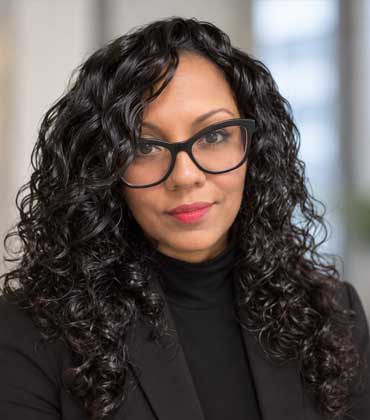
Georgina Boulineau
Aligning HR Strategy with Business Priorities
HR strategy can’t sit separately from the business strategy. In an operations-driven organization, I need to understand where the business is going, where we are growing, what capabilities we will need and where our people risks are. From there, HR’s role is to build practical solutions around talent, compensation, development, succession and retention that help the business execute.
Something I say to my HR team all the time is: understand our business, understand our industry, understand our products and understand our people. Our job is to support the business and we can’t do that effectively if we don’t truly understand what our leaders do every day, the challenges they’re facing and just as importantly, where they’re succeeding.
In Material Handling, that means understanding what happens at the branch level and why roles like technicians are so critical to the operation. It means understanding the challenges our leaders face in attracting and retaining skilled talent and recognizing that those challenges can look very different from one market or location to another.
A good example is our technician career-pathing work. We’re not developing career paths simply because it’s a good HR practice. We’re looking at the needs of the business and asking: Do we have the skills we need? Can we retain and develop our technicians? Do employees understand how they can progress? Are our compensation structures competitive and sustainable? And do our managers have the tools to have those conversations with their people?
“It's not HR coming to the business with an HR solution. It's HR understanding the business problem first and then figuring out how our people strategy can help solve it.”
That’s what strategic HR means to me. It’s not HR coming to the business with an HR solution. It’s HR understanding the business problem first and then figuring out how our people strategy can help solve it.
Balancing Consistency with Local Workforce Needs
One of the biggest challenges is balancing consistency with flexibility. In Material Handling, we operate across multiple locations with different workforce needs, labor markets and operational realities. A one-size-fits-all HR approach doesn’t always work.
For me, it starts with listening to the operational leaders closest to the business and using data to validate what we’re hearing. We can create consistent frameworks around things like career pathing and compensation, but they still need to reflect local market and business needs. If a solution doesn’t make sense to the managers and employees using it, it won’t be successful.
Turning Career Paths into a Tool for Retention and Growth
I don’t really see talent development, engagement and performance as separate priorities. When employees understand what’s expected of them, see opportunities to grow and have meaningful career conversations with their managers, it supports all three.
Our technician career-pathing work is a good example. We’re creating clearer levels, competencies and compensation ranges so technicians can understand where they are today and what they need to develop to progress.
We have taken a similar data-driven approach with succession planning and our 9-box process. The goal is to create meaningful conversations with leaders about our talent, development opportunities and future workforce needs. To me, that’s where HR adds value: connecting what employees want from their careers with what the business will need in the future.
The Leadership Balance Between Care and Accountability
For me, it starts with clarity, accountability and good conversations. Managers play such an important role in the employee experience. HR can build great programs, but ultimately our leaders have to bring them to life.
As we’ve developed our technician career paths, for example, we’ve focused on making sure managers understand the framework first. They need to be able to explain expectations, have development conversations and help employees understand how they can progress. Involving our leaders and managers from the get-go also ensures buy-in.
I also believe accountability goes both ways. Employees need clear expectations, but leaders have a responsibility to provide feedback, coach their people and address issues when needed. You can care deeply about your people and still hold high expectations. The strongest leaders do both.
The Business Acumen Every HR Professional Needs
My biggest advice is simple: learn the business.
HR professionals need to understand more than HR. Understand how the business operates, how it makes money, what happens at the branch level and what challenges your leaders and employees face.
Working in Material Handling has reinforced that for me. I’ve learned how critical technicians and other skilled roles are to our operation and how decisions around talent, compensation, retention and development ultimately affect the business.
It also encourages HR professionals to get comfortable with data. Data shifts the conversation from “I think we have a problem” to “Here’s what we’re seeing, here are the trends and here’s where we should focus.”
Finally, don’t be afraid to step outside the traditional HR lane. Sit with operational leaders, ask questions and get involved in the business. Learn HR, but learn the business just as well.
The articles from these contributors are based on their personal expertise and viewpoints, and do not necessarily reflect the opinions of their employers or affiliated organizations.

Be first to read the latest tech news, Industry Leader's Insights, and CIO interviews of medium and large enterprises exclusively from Manage HR Magazine
