
A featured contribution from Leadership Perspectives: a curated forum reserved for leaders nominated by our subscribers and vetted by the Manage HR Advisory Board.

Roche
Unlocking Potential and Fostering Adaptability: A Deep Dive into People & Culture at Roche
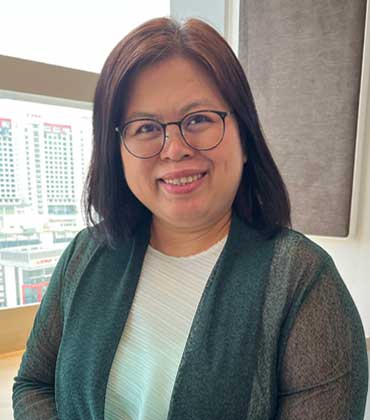
Emeya Lee
With over 26 years of experience in human resources and culture management across diverse industries in the Asia Pacific region, Emeya Lee exemplifies the blending of profound expertise with a forward-thinking approach. Currently leading a team of People & Culture (P&C) business partners at Roche APAC, Lee plays a vital role in implementing strategies aimed at nurturing organizational purpose and unlocking employee potential. Her passion for optimizing business resources, fostering relationships, and inspiring leadership have been pivotal during organizational transformations at Roche.
Through this article, Lee highlights that mental health deterioration and burnout are significant issues in today's demanding work environments.
Emeya Lee identifies mental health deterioration and burnout as significant issues in today’s demanding work environments. Burnout can be difficult to detect due to denial, subtle symptoms, and high-performance cultures. Employees often fear being perceived as incapable, making them reluctant to admit burnout. Recognizing this, proactive measures such as creating supportive and inclusive work environments are crucial.
Roche’s strategy includes regular check-ins, promoting psychological safety, and providing resources like reading materials, workshops, and coaching. Roche takes steps to mitigate burnout, including encouraging work-life balance, recognizing employee efforts, ensuring continuous learning, and offering support through Employee Assistance Programs (EAPs).
Insights from Remote and Hybrid Work
Removing geographical barriers has allowed access to a more diverse talent pool, fostering creativity and innovation. Maintaining a sense of belonging among dispersed employees is achieved through digital tools for effective communication and collaboration. Initiatives like virtual town halls, team-building activities, and inclusive practices ensure that every team member feels connected and valued. Promoting a culture of continuous learning equips employees to adapt to new technologies and evolving work dynamics, ensuring organizational agility and resilience.
Managing Organizational Change
Effective change management requires strategic, empathetic, and inclusive approaches. Lee emphasizes clear and consistent communication, engaging employees in planning, and addressing resistance early. Fostering a culture of continuous learning with training and development programs supports employees through transitions.
Leaders play a crucial role by being visible, providing emotional support, and recognizing positive behaviors. Regular feedback mechanisms and monitoring the success of change initiatives ensure ongoing improvement and alignment with organizational goals.
The Importance of Lifelong Learning
In today’s fast-paced professional environment, continuous learning is essential. It enhances competitiveness personal and professional growth, and drives innovation. Organizations can promote lifelong learning by committing to development, offering diverse learning formats, and creating a safe environment for experimentation and growth.
Integrating continuous learning into company values and strategic goals is vital. At Roche, setting development goals alongside performance goals underscores the importance of learning and development. Continuous engagement at all levels and embedding learning into daily work ensures that employees view learning as an ongoing journey.
Future Trends in People & Culture
Looking ahead, several trends are poised to shape the future of people and culture:
● Diversity, Equity, and Inclusion (DEI): With access to global talent, creating inclusive work environments that represent diverse demographics and provide equal opportunities is essential.
● High Performance & Purpose-driven Culture: Employees seek organizations with a clear purpose and commitment to social and environmental responsibility. Balancing high performance with mental well-being support is crucial.
● Agile Organizational Structures: Moving towards team-based enhances innovation and decision-making speed. Facilitating resource fluidity and clear accountability promotes collaboration and outcome-focused efforts.
● Capability Building and Lifelong Learning: The rise of automation and AI necessitates continuous upskilling and reskilling. Investing in capability-building and robust feedback mechanisms is key to adapting to new roles.
Advice for Aspiring HR Leaders
For aspiring HR leaders, Lee advises focusing on shaping a culture that enables teams to achieve organizational ambitions. Key areas include:
● Unlocking Potential: Investing in skills, strong leadership, and talent development.
● DEI: Embedding DEI across the organization to create an inclusive environment where everyone can thrive.
● Data-Driven and Proactive: Using data analytics to inform HR strategies and staying proactive about emerging trends.
By emphasizing these aspects, HR leaders can drive engagement, inclusivity, and success, aligning their teams with the overarching vision of the organization.
The articles from these contributors are based on their personal expertise and viewpoints, and do not necessarily reflect the opinions of their employers or affiliated organizations.

Be first to read the latest tech news, Industry Leader's Insights, and CIO interviews of medium and large enterprises exclusively from Manage HR Magazine
