
A featured contribution from Leadership Perspectives: a curated forum reserved for leaders nominated by our subscribers and vetted by the Manage HR Advisory Board.

Hong Kong
Embracing Technology for Success
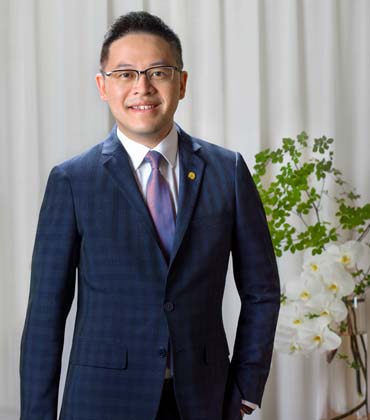
Mike Fong
Mike Fong is a seasoned HR professional and the Director of Human Resources at Langham Hospitality Group. With a passion for empowering individuals and organizations, Mike brings a wealth of expertise in various HR domains.
1. What are some of the major challenges and trends impacting the HR Industry lately?
I would say there are 3Rs of recent major challenges & trends in HR – including Retain, Recruit, and Re-energize talents in the aftermath of the pandemic. Allow me to give you some background information regarding the situation lately:
• Background 1: Short of manpower tops the list of significant issues facing employers in various industries around the globe, especially in the hotel or service-oriented industries.
• Background 2: During 3-year of the pandemic, the manning turnover rate in various companies rose dramatically compared to pre-covid time due to various factors: family, health, values, attitudes towards work, governmental health and hygiene policies, etc. “Great resignations” has become a “pandemic” that this global phenomenon is evident in the workforce, especially in the US, Australia, and Hong Kong.
• Background 3: With the recent release of all governmental restrictions over COVID-19 in the past months, employees have considered more personal life plans, including taking a career break, leisure traveling, personal migration plans, and more.
This leads to the following 3Rs that become hot topics in HR in maintaining optimal productivity and manning organizational competitiveness.
• 1st R - Retain: How to retain talents and keep them happy in the workplace. HR need to strategize retention strategies to reduce the drain of talent from the company. Increasing monetary values in C&B can help, but it does not last long. Engaging with talents at emotions so employers and employees can connect well is significant to win together. A trusting relationship can last. From this perspective, employers should engage more and harder in building great memories together with employees in post-pandemic times that create loyalty. This includes enhancing employee recognition, reforming employee well-being policies, and reinforcing communications (vertical & horizontal) in a timely and effective manner to cultivate a solid transparent work culture. Retaining an organization’s incumbent stars and talents has been a top concern.
• 2nd R – Recruit: How to attract “RIGHT” talents. Relying on traditional recruitment methods is deemed a failure in today’s competitive recruitment market. It has been known as the “Talent War,” in which fighting to hire the “right” talents has become increasingly competitive since the pandemic’s start. Companies remaining single hiring channels with Job advertisement will definitely lag behind. I see this as “Passive Recruitment.” Companies with “Proactive Recruitment” strategies can easily reach the winning position in the talent war. Engineering in a good employer’s brand will pave the way for effective recruitment and attract more top talents to reach the recruiters instead. This has been seen in more efforts spent by HR on employer brand promotion for creating unique employer values and attractiveness and being regarded as “recruitment marketing.”
• 3rd R – Re-energise: How to re-energize the workforce to reach performance success by talent development regardless of gender, age, or seniority at work. Pandemic restrictions that created division of people contact easily gloomed staff cohesiveness due to hygiene and safety concerns. Re-energizers to enhance teamwork and team spirit are necessary to create openness and remove subconscious practices affected by masks. These can include any group training and development initiatives, celebrating any staff events and achievements, and new company projects that encourage people to gather and work together to reach and celebrate success.
2. What keeps you up at night when it comes to some of the major predicaments in the HR Industry?
In the hotel industry in Hong Kong, HR is facing a drastic return of business volume - high occupancy in recent months. The number of travelers and diners increased with the release of travel restrictions from The Government and Mainland China. By far, the need for additional manning to commensurate the volume of business is a hot topic and intensifies the “Talent Wars” involving hiring at all levels of staff. How we may continue to create an attractive employer brand, maintain wide and accessible hiring sources and channels, execute timely screening, interview and confirm candidates, and retain positive onboarding experience are major competition among HRs from different organizations. As an HR leader, I must keep myself open to all unconventional ways to my HR teammates and other leaders and the latest recruitment and labor market development to ensure hiring success.
Another predicament is how to build next[1]generation organizational leaders in today’s turmoil of retaining young talents, which are more vulnerable to disengagement compared to others. Keeping young talents engaged and developed to prepare future leadership for the hotel is significant for future success.
3. Can you tell us about the latest project that you have been working on and what are some of the technological and process elements that you leveraged to make the project successful?
The latest projects would aim to intensify the transformation of the hotel property’s HR function into digital HR management, including staff communications and engagement management, new payroll, compensation and attendance system application, and performance management. We would keep up and maintain the continuous planning and welcome feedback from departmental leaders and end-users are both key success factors.
4. What are some of the technological trends which excite you for the future of the HR Industry?
Lately, ChatGPT in Human Resources has caught my attention and excited me recently. This new technology is available to HR professionals that can change how they do their jobs. ChatGPT goes much beyond a chatbot that could improve employee engagement and experience. For example, with ChatGPT, learning and development platforms may provide employees with individualized career goals, and it can further turn into training programs and learning materials that are appropriate for their job and development objectives. As such, ChatGPT’s interactive features will ensure quicker processing and resolutions.
5.How can budding and evolving companies reach you for suggestions to streamline their business?
Connecting with various companies from different industries and levels is always a part of our plan, and we are consistently sourcing different ways to execute it together with my talented team. I think that social networking services say Linkedin is probably one of the best communication platforms to engage with more qualified people.
The articles from these contributors are based on their personal expertise and viewpoints, and do not necessarily reflect the opinions of their employers or affiliated organizations.

Be first to read the latest tech news, Industry Leader's Insights, and CIO interviews of medium and large enterprises exclusively from Manage HR Magazine
