
A featured contribution from Leadership Perspectives: a curated forum reserved for leaders nominated by our subscribers and vetted by the Manage HR Advisory Board.

BaseCamp Franchising
The Power of One: Building Culture One Interaction at a Time
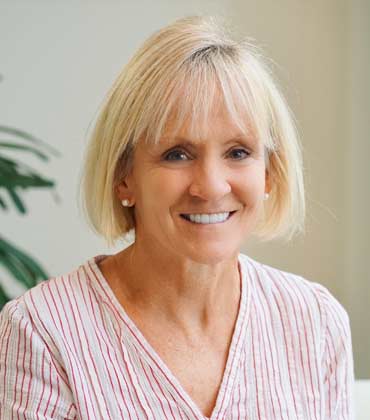
Elizabeth (Shill) Mella
In 2022, brothers Tyler and Zach Gordon, managing partners of Horizon Point Capital, completed a two-year entrepreneurial search that led them to partner with BaseCamp Franchising’s founding family and step in as co-CEOs. Not long after, Tyler approached me about HR with a clear mandate: help build a culture where we work hard, but also make time to play hard, connect and enjoy being together.
The timing was important. With fewer than 100 employees, BaseCamp was small enough that relationships mattered tremendously but large enough that a strong culture wouldn’t happen by accident. People were returning to the office after COVID, and we had lost some of our connection and collaboration. We needed to rebuild relationships across departments, reinforce accountability and recommit ourselves to our promise to franchisees: to work hard every day to be the best in our industry.
At first, I thought about culture in terms of the things we could create: parties, activities, service projects, lunches and opportunities to bring people together. Those things are important. But along the way, I’ve learned that culture is built through something much smaller: individual interactions.
It’s easy to think one person can’t do much to change company culture. Culture feels big. But I’ve come to believe in the power of one.
One person can make someone feel welcome or invisible. One person can listen to an idea that might otherwise go unheard, recognize good work or notice when someone is struggling. And one person’s idea can eventually change an entire organization.
That belief has shaped my leadership style and the way I approach HR. You can’t create an exceptional culture without creating a positive experience for the individuals who work there. Employees need to feel seen, heard, valued, trusted and cared for.
Often, that starts with a conversation. Small interactions build trust. Remembering what someone tells you and following up later lets people know they were genuinely heard. I also believe leaders need to be willing to share their own challenges and mistakes. Vulnerability creates room for vulnerability. When leaders are willing to be human, we give others permission to be human too.
Turning Employee Ideas into Culture
Listening isn’t enough. People need to see that their ideas matter.
We created a Culture Club made up of people from different departments who help shape our activities and service opportunities. One early example started with Tyler’s idea for a company softball game. The Culture Club suggested kickball instead. No bats or mitts were required, making it easier for everyone to participate. What began as a simple suggestion has become a BaseCamp tradition. Employees now prioritize our annual summer party and kickball game.
“It’s easy to think one person can’t do much to change company culture. Culture feels big. But I’ve come to believe in the power of one.”
Other employee ideas have led to happy hours, quarterly yoga, food drives, Earth Day cleanups, assembling meals for children in need and Christmas gifts for children in foster care. There is something powerful about an employee making a suggestion and seeing it become reality. It tells them, “Your ideas matter here.” Others see it happen and realize their ideas are welcome too.
Leading Culture through Example
None of these efforts would have been as effective without the support and example of Tyler and Zach. From the beginning, they did more than articulate the culture they wanted. They modeled it. They participated in company events, made themselves accessible and demonstrated that building relationships was a worthwhile use of company time.
They also trusted the Culture Club and me to experiment with ideas and learn what resonated with employees. Their support sent an important message: culture was not simply an HR initiative. It was an organizational priority.
Sometimes making people feel valued is even simpler. If someone needs a standing desk, why not make it happen? When we order company lunches, we ask employees to weigh in. I especially enjoy having employees from different countries and backgrounds introduce us to foods or restaurants they love.
The desk or lunch isn’t really the point. The message is: I heard you. You matter.
Making Growth and Leadership Accessible to Everyone
I also believe growth opportunities shouldn’t be reserved for people with leadership titles. Our leadership book group is open to everyone. Employees suggest books and discuss them together over lunch. Leadership isn’t just a position. It is something every person in an organization can practice.
Another meaningful way we build culture is by serving together. Whether collecting food, assembling meals, cleaning up a neighborhood or providing Christmas gifts for children in foster care, service gets us outside ourselves and reminds us that our company is part of a larger community.
When the Power of One Becomes the Power of Many
And that brings me back to the power of one.
One employee makes a suggestion. One manager takes time to listen. One person notices someone who needs encouragement. One idea becomes a company tradition. One person feels safe enough to speak up and makes it safer for the next person to do the same.
Culture can seem too large for one person to change. But culture is really the accumulation of thousands of small experiences and interactions.
HR can help create the conditions for those interactions, but ultimately, culture belongs to everyone.
The power of one becomes the power of many, and that is how culture changes.
The articles from these contributors are based on their personal expertise and viewpoints, and do not necessarily reflect the opinions of their employers or affiliated organizations.

Be first to read the latest tech news, Industry Leader's Insights, and CIO interviews of medium and large enterprises exclusively from Manage HR Magazine
