
A featured contribution from Leadership Perspectives: a curated forum reserved for leaders nominated by our subscribers and vetted by the Manage HR Advisory Board.

Burlington Stores, Inc.
Turning Leadership Learning into Change Ownership
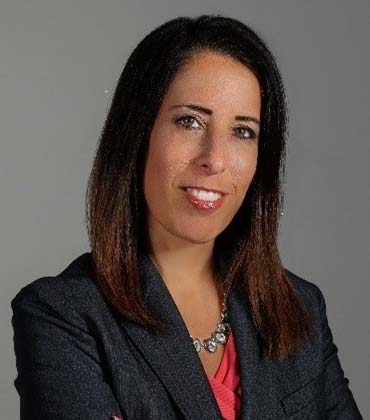
Elisa Glazer
Turning Transformation into Shared Ownership
Throughout my career, I’ve had the opportunity to lead and support numerous organizational transformation initiatives. What I’ve learned from these experiences is that achieving successful change is determined as much by the people journey as it is by the business strategy. My experience has taught me that sustainable change requires an intentional focus on who you are bringing along and how you are engaging them, from senior leaders to managers to frontline associates.
What I’ve seen is that too often the majority of energy is spent on the “what”, while spending far less time on the “who”, the “why” and the “how”. Yet even the strongest strategies often fall short without a thoughtful and disciplined change management approach that identifies what is changing, why it matters, how it impacts associates and the roles that all stakeholders play in making it successful.
When people understand the vision, see leaders modeling the change and are prepared for the journey, they feel ownership in the transformation and help drive its success. As in most cases, it’s all about the people!
Sustaining Leadership Growth through Practical Application
Having designed Leadership Development programs over many years, I’ve found they are most successful when grounded in the realities of the role and organization. When participants can connect concepts to relevant business challenges and scenarios and practical examples, they are more likely to apply them in their daily roles.
While participants own their development, managers and senior leaders play a critical role in reinforcing new behaviors, creating opportunities for reflection and application, connecting program learnings to development goals and ensuring accountability. So, I recommend engaging managers before, during and post-program.
Experiential learning is one of the most powerful drivers of behavior change because it requires leaders to practice new skills while solving meaningful organizational issues. Several of our top talent programs include a capstone project in which participants apply program concepts to address pressing business challenges.
Without learning sustainment, even the most powerful learning experiences can fade over time. In our top talent Director program, participants engage in a six-month mentorship relationship with senior leaders’ post-program to reinforce key concepts and support continued leadership growth.
Rethinking Succession for Tomorrow’s Leadership Needs
As organizations prepare for an increasingly complex and fast-changing future, succession planning needs to extend beyond assessing critical roles as they exist today. It requires identifying how the role will look tomorrow, considering the longer-term business strategy, technology advancements, customer expectations and other internal and external factors.
“Successful change requires being intentional about who you engage, how you engage them and when.”
Too often, succession decisions place heavy weight on functional expertise, technical skills or direct role experience. While those factors matter, they are only part of the equation. Leadership competencies such as learning agility, emotional intelligence, adaptability and critical thinking increasingly differentiate leaders who thrive amid uncertainty and change and including them in the process will serve to build more diverse, strong and resilient pipelines
We also need to be investing in high-potential talent earlier in their careers. Rather than developing leaders within narrow functional lanes, organizations should create opportunities for individuals to gain experience across different parts of the business. Leaders who have worked across functions tend to bring broader perspectives, connect ideas in new ways and challenge traditional thinking. As organizations face growing complexity, these leaders are often better equipped to drive innovation, navigate ambiguity and lead the business forward.
Tailoring Transformation to Organizational Cultures and Roles
One of the biggest lessons I’ve learned about leading transformation is that there’s no such thing as a one-size-fits-all approach. Every organization is comprised of micro-cultures, each with its own dynamics and ways of working. The nature of the roles within a business area matters, too. When we launched our new leadership competency model, for example, we understood that our store population needed a different approach than our corporate teams. Factors like population size, access to online communication channels and norms for launching new initiatives all influenced the rollout plan.
Another important lesson is that not every organizational level needs to be involved from day one. Successful change requires being intentional about who you engage, how you engage them and when. Building support at the top is especially critical because senior leaders play a key role in shaping the narrative and bringing their teams along.
For our competency model launch, we began by introducing the framework at a leadership summit, giving senior leaders a clear understanding of the why behind the change and equipping them with resources to communicate the message within their functions. We also took a phased approach by level, which gave leaders time to absorb the concepts and become genuine advocates for the model rather than simply messengers of it.
Preparing HR Leaders for Transformation
Here are my top 5 tips for HR professionals who want to grow into leadership and organizational transformation roles:
1. Obtain broad HR experience so you understand how to partner across the function
2. Learn the business up close so you can speak their language and garner the credibility required for influence
3. Identify opportunities to strengthen change management skills, it is a critical underpinning of the work
4. Seek out opportunities to partner, shadow and/or engage in leadership and organizational transformation initiatives and programs to learn the rigor behind their development
5. Stay up to date on emerging technology and industry trends. The roles that exist today will look different in the future .
The articles from these contributors are based on their personal expertise and viewpoints, and do not necessarily reflect the opinions of their employers or affiliated organizations.

Be first to read the latest tech news, Industry Leader's Insights, and CIO interviews of medium and large enterprises exclusively from Manage HR Magazine
