
A featured contribution from Leadership Perspectives: a curated forum reserved for leaders nominated by our subscribers and vetted by the Manage HR Advisory Board.

Masan Consumer Holdings
Masan Consumer Holdings
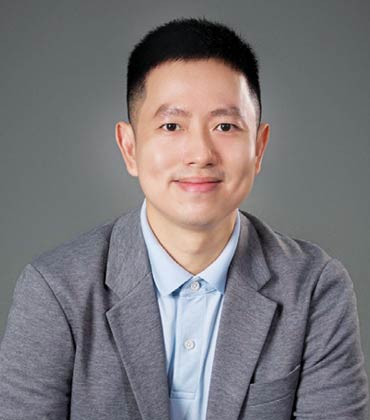
Do Nguyen
Do Nguyen is a human resources leader with over a decade of experience in organizational development, talent management and employer branding. As the Deputy HR Director | Talent Management & Organisational Culture at Masan Consumer Holdings, he drives strategic HR initiatives to enhance company culture, leadership effectiveness and employee engagement. His role involves designing and implementing talent management programs, fostering leadership development and strengthening Masan Consumer’s employer brand to attract top talent in the FMCG sector. By aligning HR strategies with business objectives, he ensures that employee development directly contributes to the company’s growth and market leadership.
Through this article, Nguyen explores key barriers to effective organizational development, the role of DEI in talent management, the future of leadership and employee engagement, and essential advice for HR professionals navigating an evolving workplace.
Barriers to Effective Organizational Development
One of the most common barriers organizations face when implementing organizational development programs is a lack of alignment between HR initiatives and business objectives. Often, development programs are seen as separate from the core business strategy, which can result in low engagement and poor outcomes. To overcome this, I ensure that all organizational development initiatives are closely tied to the company’s long-term strategic goals, ensuring they create tangible value for the business and are fully supported by senior leadership.
Another challenge is resistance to change, particularly from employees or leaders accustomed to traditional methods or structures. Overcoming this resistance requires a strong change management strategy, clear communication and leadership buyin. At Masan Consumer, we address this by fostering a culture of continuous learning and encouraging open dialogue about the benefits of change, ensuring that development initiatives are seen as opportunities for growth rather than disruptions.
Finally, insufficient resources and capacity for scaling programs can be a limiting factor. To tackle this, we leverage technology and data to create scalable solutions, such as e-learning platforms and data-driven insights into employee development, which allow us to provide more personalized learning experiences with fewer resources.
Embedding DEI in Organizational Development
At Masan Consumer, diversity, equity and inclusion (DEI) are critical pillars of our organizational development and employer branding strategies. We are committed to fostering an inclusive and equitable workplace where every Masaner, regardless of background or role, can thrive and reach their highest potential. Our approach is multifaceted, encompassing fair treatment, a sense of belonging, valuing uniqueness, inclusive leadership and tailored benefits and programs.
Organizational development initiatives focus on creating a culture where inclusion is embedded in every aspect of the employee lifecycle. This includes revisiting recruitment practices to ensure that hiring processes are inclusive and that underrepresented groups have equal access to career advancement opportunities. We also invest in leadership development programs designed to address unconscious bias and foster inclusive leadership skills, empowering managers to create diverse teams and cultivate an environment for all where all voices are heard.
We have various programs and initiatives to strengthen colleague relationships and foster a sense of belonging. For instance, we allocate a budget for team-building activities, social events and employee resource groups. These initiatives help create a supportive and inclusive environment where employees feel valued and connected.
We celebrate the unique contributions of our employees through various recognition programs. For example, we have an annual awards ceremony where employees are recognized for their outstanding achievements and contributions to the company, such as the Masan Consumer Awards, CEO Awards, Chairman Awards, Masan Million Cheque Program, etc. This boosts morale and highlights the value we place on individual uniqueness.
An organization thrives when its people do. That’s why our Employee Stock Ownership Plan (ESOP) is designed to provide every employee - not just management - with the opportunity to become a shareholder. In 2024, we expanded ESOP accessibility to all eligible employees for the year-end performance bonus, reinforcing our belief that everyone contributes to our success.
Employees rated Highly Effective or Outstanding can purchase additional shares to recognize high performance further. The response has been overwhelmingly positive; participation surged from 30 percent in 2024 to 56 percent in 2025. Unlike many companies where ESOPs are reserved for senior leaders, Masan Consumer ensures that even non-management employees can invest in and benefit from the company’s growth, fostering a stronger sense of ownership and long-term commitment.
We regularly conduct employee surveys, such as the NPS survey, to gather feedback on various workplace aspects. This feedback helps us understand how employees feel about their sense of belonging and identify areas for improvement. For example, our recent eNPS survey highlighted the importance of clear communication and recognition, which we have since prioritized in our engagement strategies. As a result, our eNPS survey increased from 34 (Q2 2023) to 44 (Q2 2024), with a response rate of 51 percent to 65 percent.
On the employer branding side, we emphasize Masan’s commitment to DEI in our messaging and outreach to potential candidates. This includes showcasing our diverse workforce and promoting stories that reflect our inclusive culture. By authentically communicating our DEI efforts, we aim to attract diverse talent and reinforce our internal and external values. Our recruitment process is designed to be fair and unbiased. We have clear policies to ensure that candidates are evaluated based on their skills, experience and potential, without discrimination based on gender, ethnicity (6 percent of the workforce is made of other minorities), or other personal characteristics. For example, we do not base our hiring decisions on gender and actively promote gender diversity in our workforce.
The Future of Leadership and Employee Engagement Models
Technological advancements and the growing importance of purpose-driven organizations will heavily influence the evolution of leadership and employee engagement models in the next 5-10 years.
Leadership models will evolve towards a more decentralized, empathetic approach. Traditional top-down leadership will give way to collaborative, inclusive leadership that focuses on empowering teams and fostering an environment where leaders act as coaches rather than authority figures. Leaders will need to be adept at managing diverse, global teams and navigating the complexities of remote work, which will require high emotional intelligence, adaptability and the ability to inspire trust in virtual settings.
Employee engagement will shift from purely transactional models to more holistic ones emphasizing personal development and alignment with organizational values. Companies that invest in continuous learning, career development and work-life integration will see higher levels of employee engagement. The future of engagement will be centered around meaningful experiences, where employees are more than just workers; they are contributors to the company’s purpose and vision.
Moreover, as more Gen Z enter the workforce, organizations will need to place greater emphasis on transparency, flexibility and sustainability, aligning with the values of younger generations who seek purpose in their careers.
Advice for HR Professionals
To make a lasting impact in HR, it’s crucial to be adaptable and continuously evolve with the changing needs of the workforce and the business. The HR space is dynamic and future leaders must be lifelong learners who stay ahead of emerging trends in technology, data analytics and employee engagement.
Another critical area is understanding the power of continuous learning and development. According to LinkedIn’s 2024 Workforce Learning Report, 94 percent of employees would stay longer at companies that invest in their development. If HR professionals can design programs that align with business needs and cater to employee development, they will foster greater employee satisfaction and retention. Additionally, using data analytics to track learning outcomes and performance improvements will allow HR professionals to refine their strategies continually.
Finally, developing a deep understanding of diversity, equity and inclusion will be essential. DEI is not just a trend - it’s the future of work. Professionals who can lead with empathy, promote inclusive leadership, and create environments where every employee feels valued will shape the future of HR.
The articles from these contributors are based on their personal expertise and viewpoints, and do not necessarily reflect the opinions of their employers or affiliated organizations.

Be first to read the latest tech news, Industry Leader's Insights, and CIO interviews of medium and large enterprises exclusively from Manage HR Magazine
