
A featured contribution from Leadership Perspectives: a curated forum reserved for leaders nominated by our subscribers and vetted by the Manage HR Advisory Board.

Sibelco
Leading People through Change and Growth
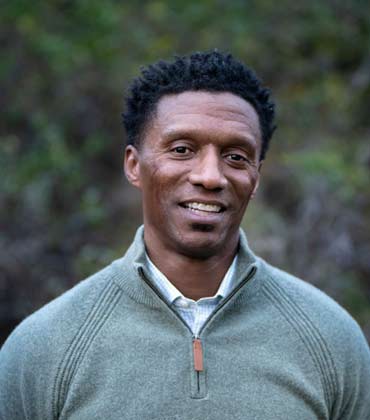
Derick Faulkner
Building Unity without Uniformity
To approach people and culture integration across multiple locations, I start with the idea that you may have one organizational culture that is the overarching theme, but each location is going to have its own flavor or spin on that culture.
I have found that trying to force-fit culture will only create an environment that people do not want to be a part of in the long term. I celebrate that my locations in different areas of the world or country and will have their own unique attributes that should be encouraged.
My goal is to ensure that those unique ideals are grounded in the overarching theme of the organization's culture overall. I find this approach to be especially important during a merger or acquisition, as you are naturally going to find pushback and discomfort.
Keeping People Engaged through Change
Transparency, communication, adaptability and relationships are the most important competencies during growth and change. We have to be transparent and share as much information as we possibly can during change. Employees will be naturally concerned as change creates discomfort.
Change without information creates anxiety, which will show itself as resistance. I worked with a really good leader earlier in my career who told our employees that he would always share as much information with them as he possibly could, as long as they understood that information could possibly change, and he would need to come back to them with something different. This always created an environment where our employees felt like they were a part of the design of our future. Understanding and care always stand out to me as a way to create comfort for people as they take the ride on the org change roller coaster as well.
“We have to be transparent and share as much information as we possibly can during change.”
Organization changes are rarely thought out from beginning to end and usually result in some missteps, in which leaders need to go back and undo something that was already done. If you are understanding and show care to the employee group, they will usually give that back to you in grace when you have a misstep or need to go back on a change that has been completed. The ADKAR model can be a really simple way to ensure that you have checked the necessary boxes before moving forward.
HR also must be the voice of reason for leadership during these times. Speed to market is always a driving force when it comes to change, and HR must ensure they interject when things are moving too quickly or when customer and shareholder outcomes are outweighing employee experience.
Growing Talent from Within
I started my career as an external recruiter and found a real passion for talking to candidates about what they really wanted to get out of their careers. That provided me with a unique insight into the fact that not everyone wanted to be the president of a company; some just wanted to do the best at what they do and work to live.
After getting into the generalist space, I was very fortunate to have some really talented HR leaders who allowed me to be a part of talent planning meetings very early on in my career, and this rounded out my understanding of the overall process of talent strategy. I feel like I have been able to establish a balance of understand that we require all types of people to run an effective organization. Not everyone can be in the hyper-growth boxes, and we can't create all of our development initiatives to focus solely on the group that we see in that space. It's a must that we develop the overall organization in order for the business to continue to stay ahead of the curve.
Lastly, the organization must think about talent based on the market offerings and the cost of those offerings. We experience some big swings in talent availability and cost of talent; therefore, I want to do as much as I can to develop internally in order to protect the business from those swings. If I can develop mid-level and senior leaders internally at a higher percentage, I can go to the market at a lower cost of delivery to fill in the gaps and add diversity of experience.
Leading with Courage
I start with courage, as you will receive a lot of opinions from all corners of the organization. If you are leading a function of the turnaround, you must be able to do your own assessment to determine what's real and what's assumed.
There must be a process, and that process is going to take time to implement properly. I like to start with the end in mind in order to do a proper gap analysis to build a roadmap to define how and when we arrive. When all of that is done, you have to have the courage to stand behind your data, as everyone wants things done yesterday.
The articles from these contributors are based on their personal expertise and viewpoints, and do not necessarily reflect the opinions of their employers or affiliated organizations.

Be first to read the latest tech news, Industry Leader's Insights, and CIO interviews of medium and large enterprises exclusively from Manage HR Magazine
