
A featured contribution from Leadership Perspectives: a curated forum reserved for leaders nominated by our subscribers and vetted by the Manage HR Advisory Board.

Hudsonville Ice Cream Company
Building Organizations Where People Grow
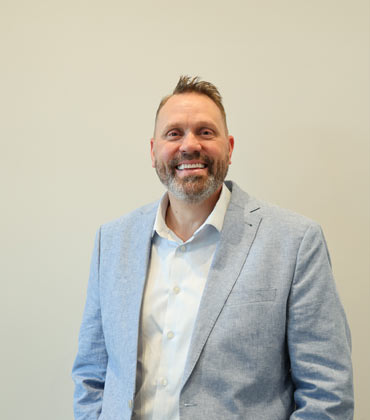
David Hoekstra
David Hoekstra serves as director of learning, development and change management at Hudsonville Ice Cream Company. Over a 25-year career, he progressed from an entry-level manufacturing role to operations and divisional leadership positions. Since joining Hudsonville four and a half years ago, Hoekstra has led continuous improvement and food safety and quality functions, mentoring a successor before establishing the company’s first learning and development role. He now helps support workforce growth as the century-old ice cream maker has expanded from about 30 employees to more than 300 over the past decade.
Making the People around Me Better
Listening is the leadership lesson that has shaped me most. It is a skill I keep sharpening, not one I ever finish learning. Every conversation teaches me more about what people want from their work, what drives them and where they hope to grow. Years in this role have deepened my belief that coaching and developing others means listening well more than speaking and trust keeps growing the more I practice it.
Work stops feeling like work when people find something they care about. Every person carries strengths, interests and potential that have not yet found their full expression. Part of my job is to help people see those openings and give them the support to chase them. I have watched team members become better leaders when someone simply asked the right question and helped find the answer.
That belief defines how I lead. I am not chasing a bigger office or building a personal legacy. If anyone writes about me one day, I want it to say that people grew because I gave them room to grow, that they became better leaders and accomplished more than they thought possible. Legacy, to me, looks like other people’s success.
The Behaviors that Define Us
Hudsonville built its identity on six core values for many years. Growth changed that. A value like attitude sounds meaningful until ten people give it ten different meanings. Cleanliness suffers the same fate. We needed a language specific enough to act on, not just admire.
That need pushed us to turn our values into six behaviors we call the Hudsonville Way. Lead with Humility, Give Back, Build into Teams, Good Enough Never Is, Focus Our Curiosity and Play to Win. These are more than words on a wall. They are promises we make to each other about how we show up every day.
What I love most about The Hudsonville Way is its ownership. No one hands it down from the top. Everyone owns a piece of it, from the CEO to the newest person walking through our doors. Leading with Humility means practicing self-awareness, knowing that when we collaborate and consider one another, we are all better because of it. Giving Back means sharing knowledge, supporting teammates and investing in people both inside and outside work. Building in Teams means intentionally investing in your own growth while helping your teammates improve. Good Enough Never Is isn’t about perfection. It’s the belief that another level of innovation and excellence is always within reach. Focusing our Curiosity means intentionally directing our time, energy and attention where it will matter most. When we consistently live the first five behaviors, Playing to Win becomes who we are. We approach every opportunity with enthusiastic determination and a shared commitment to one another, all while having fun, achieving our goals. None of these behaviors stands alone. Each one feeds the next and together they build a culture people can choose to embody.
“Seek out a place where the words on the wall match the experience inside it. When those two things drift apart, reality always wins.”
These behaviors shaped our approach to learning and development, too. Years ago, we noticed a gap. We brought people into a strong culture without giving them training that built real expertise in their roles. That gap led us to build the 4&90 training process.
The process stays simple. Team members watch, learn, practice and then teach the job back to their trainer. Teaching forces real understanding. A person who can explain a skill clearly has actually mastered it, not just memorized the steps. The process also lives out our culture in practice. Trainers lead with humility, give back through what they share and build into the people around them. Training becomes more than a skill transfer. It becomes a daily expression of the Hudsonville Way, repeated until we become experts.
Developing with Better Tools
We keep asking what learning and development should look like next. Traditional training methods have served us well, but tools like AI now offer new ways to sharpen what we already do. The shift feels less like replacing what works and more like extending its reach.
Some answers start small. Better work instruction forms. More consistent standard operating procedures. Stronger testing processes. These areas already show real value and the gains compound once a few processes improve.
A bigger opportunity lies with individual growth. When someone wants to step into leadership, AI can help us spot specific areas to develop and map a clearer path toward that next role. It can surface patterns a busy manager might miss and turn a vague ambition into a concrete plan. Technology remains a tool in the end. What matters is whether it helps people learn, grow and prepare for what comes next. I expect that question to guide every tool we adopt going forward.
Advice for the Next Generation
I tell anyone building a career in learning and development, organizational effectiveness or change management to start with culture. Find a place that lives its values, not one that only displays them. Values printed on a wall mean little if daily decisions ignore them.
I once asked a team member what culture meant to him. He paused, then said, “Culture is how I feel on Sunday night knowing I have to go to work on Monday morning.” I asked how he felt that Sunday night. He looked at me and said, “I can’t wait to go to work tomorrow.”
That answer captures culture at its best. Seek out a place where the words on the wall match the experience inside it. When those two things drift apart, reality always wins.
The articles from these contributors are based on their personal expertise and viewpoints, and do not necessarily reflect the opinions of their employers or affiliated organizations.

Be first to read the latest tech news, Industry Leader's Insights, and CIO interviews of medium and large enterprises exclusively from Manage HR Magazine
