
A featured contribution from Leadership Perspectives: a curated forum reserved for leaders nominated by our subscribers and vetted by the Manage HR Advisory Board.

Inclusion & Belonging
Creating Impactful Diversity Strategies
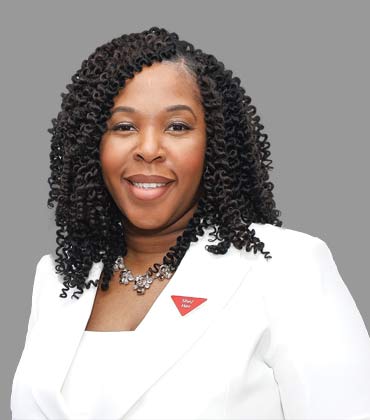
Letecia Rose
Embarking on the path of diversity and inclusion, Letecia Rose started her journey right out of university 20 years ago at a non-profit organization called Harmony Movement. She created spaces for children, high school students and educators to understand diversity, inclusion and equity. During this tenure, Rose gathered insights into other industry verticals where equity could be driven. She then continued her career in the not-for-profit sector at an art center, bringing in income and generating career advancement opportunities for black artists. Later, Rose joined Plan Canada, where she was involved in gender-based initiatives, and at MLSE Launchpad, using sports for youth development. The passion for equity steered her to launch a consulting platform during the pandemic, facilitating workshops on inclusion for industry leaders. She connected with many companies in the upcoming months to create strategies for circulating diversity in the workplace. One of the participants was Canadian Tire Corporation, where she now builds and sustains diversity and inclusion strategy across the entire enterprise.
In this interview with Diversity and Inclusion 2024 - Manage HR Canada, Letecia Rose discusses the vitalities of diversity inclusion and its social impact. She has highlighted the complexities of introducing a sensitive concept like anti-discrimination in diverse industrial sectors.
Events That Pushed Diversity and Inclusion
The pandemic created a unique environment where people became more isolated, turning to their computers and televisions not just for news but for comfort. This period led to an explosion of events that signified the role of diversity and inclusion in communities and workplaces. The murder of George Floyd was a pivotal moment, but it was just the beginning. There was also a rise in anti-Asian hate, anti-Muslim hate, antisemitism, and the discovery of unmarked graves at residential schools, all of which highlighted ongoing discrimination and inequities in society.
Companies were unprepared for these events. However, this period also made people more open to learning and companies more willing to educate. It presented an opportunity for diversity and inclusion professionals to leverage these issues to improve.
From Awareness to Action, Educating Employees on Diversity
We started by understanding where our employees were at. We focused on educating them about the issues, how they manifest in our spaces, and our responsibilities in addressing them. We used a tool called Courageous Conversations, a framework that centers on discussing inequities openly to foster change. This approach helped employees connect, understand each other’s experiences, and make our workspaces more inclusive.
"We've developed a clear brand purpose and core values like 'Stronger Together' and 'Inclusion is a Must,' which serves as a North Star for employees to anchor their work in equity while creating the language of change that fuels their passion for what they do."
In conjunction with this, we've developed a clear brand purpose and core values like 'Stronger Together' and 'Inclusion is a Must,' which serves as a North Star for employees to anchor their work equity while creating the language of change that fuels their passion for what they do in service of the company’s success and their personal growth.
Harnessing technology to build inclusion
Generative AI is a game changer. It provides access to information and enables workers and companies to connect with diverse markets in new ways. While there's some hesitancy due to concerns about job displacement, people who know how to use AI will be highly marketable.
From a diversity and inclusion perspective, there are challenges with built-in biases in AI, but the technology is adaptive and learns from the information it’s given. For example, AI can help create job postings with inclusive language, encouraging more women to apply. These small adjustments can lead to significant practice changes, helping build more inclusive workplaces. AI doesn't take us 100% of the way, but it does provide a strong foundation to build upon.
Anchoring Inclusion as a Core Value Drive Workplace Change
For organizations starting their diversity and inclusion journey, I’d say that starting is better than not starting at all. There’s no one-size-fits-all approach, but investing in this work—whether through resources, dollars, or person-power—is worthwhile. For organizations already on this path, it’s about evolving their strategies and embedding these practices into the organization's DNA, making it a collective effort rather than the responsibility of a single team.
For those advancing their initiatives, focus on extending diversity and inclusion beyond the company to include vendors, stakeholders, and communities. ESG (Environmental, Social, and Governance) is a crucial part of this realm, impacting our appearance in the business landscape. Diversity and inclusion enable businesses to be more innovative, profitable, and impactful, creating value inside and outside the organization. Sustainable change takes time, but it pays dividends in the future.
The articles from these contributors are based on their personal expertise and viewpoints, and do not necessarily reflect the opinions of their employers or affiliated organizations.

Be first to read the latest tech news, Industry Leader's Insights, and CIO interviews of medium and large enterprises exclusively from Manage HR Magazine
