
A featured contribution from Leadership Perspectives: a curated forum reserved for leaders nominated by our subscribers and vetted by the Manage HR Advisory Board.

C&N
Building a Talent Strategy Around Growth
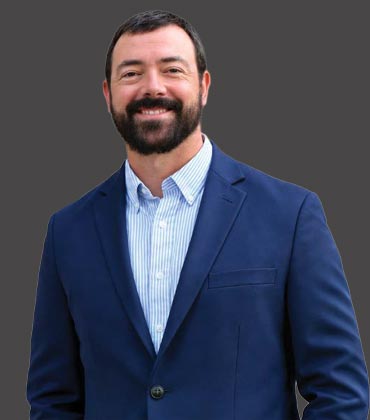
Cody Bowen
People Development Starts with Defining Success
My approach to people development has been shaped by every step of my career journey. In many ways, it started before I ever held a formal training or talent leadership role. As an intern, I was tasked with helping revamp job descriptions across the organization. Working with leaders to understand the skills, competencies and behaviors required for success gave me an early appreciation for how important it is to clearly define what great performance looks like.
When I transitioned into a training role, that foundation helped me connect learning directly to employees’ day-to-day responsibilities and development needs. Today, as a talent leader, we partner with leaders across the organization to build success profiles for key roles. Those profiles not only help us attract and select stronger candidates, but also provide a roadmap for ongoing development.
That experience taught me an important lesson that still guides my approach today: effective talent management begins with clearly defining what success looks like and then intentionally helping people grow into it.
Hire for Potential, Then Develop
I view talent acquisition and employee development as two parts of the same strategy. Our goal is to understand candidates beyond their resumes by identifying the skills, competencies and potential they bring and aligning those strengths with organizational needs.
We recognize that finding a candidate who matches every requirement is rare, and that’s okay. Rather than searching for the perfect hire, we focus on finding individuals with the right foundational skills, cultural alignment and capacity to grow. From the outset, we work with managers to establish structured onboarding and development plans that help new employees build the skills needed for success.
That commitment to development doesn’t end after onboarding. Through talent reviews and succession planning discussions, we identify employees with high potential and create longer-term development plans aligned with both their career aspirations and the organization’s future needs. By connecting what we learn during the hiring process with ongoing development opportunities, we create a more intentional talent strategy that supports both individual growth and business success.
Experience Builds Future Readiness
Identifying and developing high-potential employees are a collaborative effort that combines leadership insight, talent management expertise and a clear understanding of future organizational needs. We leverage talent reviews and succession planning discussions to identify individuals who consistently demonstrate strong performance, leadership potential and a capacity for growth.
"Effective talent management begins with clearly defining what success looks like and then intentionally helping people grow into it."
We believe high-potential talent should not be identified solely by current performance, but also by an individual’s ability to learn, adapt and succeed in future roles. Once identified, we work closely with business leaders to create individualized development plans that align both the employee’s career aspirations and the organization’s long-term talent needs.
While formal learning programs play an important role, some of the most impactful development comes through experience. That may include stretch assignments, leading key projects or initiatives, participating in cross-functional committees, or taking on responsibilities that broaden perspective and build new capabilities. Our goal is to provide meaningful opportunities that prepare employees for future leadership and other critical roles within the organization.
Data Directs, People Provide Context
HR analytics is a powerful tool, but it should never be the sole driver of talent decisions. Data helps us identify trends, uncover opportunities and highlight potential risks, but it doesn’t provide the complete picture. I often say that data tells us a story, and our responsibility is to validate that story through conversations, observations and leadership insights.
Analytics can help us identify leadership, skill, and performance gaps across the organization, providing greater visibility into the strength of our talent pipelines and succession plans. With that information, we can make more informed decisions about whether we need to acquire new talent or invest in developing existing employees to meet future needs.
Ultimately, data provides direction, but people provide context. The combination of both leads to better talent decisions, stronger workforce planning and improved business outcomes.
Growth Should Fit the Individual
Career development is a passion of mine because I have personally experienced its impact throughout my career. Having had the opportunity to grow from an intern to an SVP role, I understand how meaningful development opportunities can influence a person’s confidence, capabilities and career trajectory.
We strive to create an environment where employees see more than just a job. We want them to see a career with opportunities to learn, grow and reach their potential. Meaningful career development looks different for every employee. Some aspire to leadership roles, while others want to deepen their expertise and become exceptional in their current position. Neither path is more important than the other.
Our responsibility is to help employees identify their goals, provide the right resources and opportunities at the right time, and support them throughout their journey. Ultimately, we want every employee to experience the power of development and feel empowered to continue growing, regardless of the career path they choose.
The articles from these contributors are based on their personal expertise and viewpoints, and do not necessarily reflect the opinions of their employers or affiliated organizations.

Be first to read the latest tech news, Industry Leader's Insights, and CIO interviews of medium and large enterprises exclusively from Manage HR Magazine
