
A featured contribution from Leadership Perspectives: a curated forum reserved for leaders nominated by our subscribers and vetted by the Manage HR Advisory Board.

Bel
Building Stronger Organizations through People
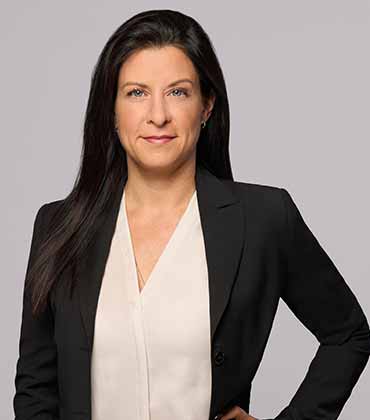
Christine Verreault
Christine Verreault is a seasoned human resources executive with more than 25 years of experience driving talent, culture and organizational growth across diverse industries. Before joining Bel as Vice President, Human Resources, she spent seven years with the Oil industry, where she built the HR function and supported 14 acquisitions in six years. At Bel, she helps shape people strategies within a global organization of more than 11,000 employees. Christine is guided by values-driven leadership and organizational fit,and is passionate about building cultures where people and businesses thrive together.
A Career Built on Alignment
I have worked across unionized and non-unionized environments, as well as in public and private organizations of varying sizes. Over time, I learned to choose roles that reflect both my strengths and my values. In HR, that sense of alignment has become increasingly important.
The opportunity to join Bel arose during the integration of GoGo squeeZ, at a pivotal moment of transformation for the organization, and this challenge immediately resonated with me. This context also included the project to accelerate production at the new Babybel plant in Sorel-Tracy. Just as important, I felt a true connection with Bel’s values—especially its commitment to healthy nutrition and its desire to make a real difference, as well as its responsible approach to sustainability.
With around 85 percent of cheese production based in Canada, the company also demonstrates a strong commitment to local responsibility—a model I naturally relate to. It should be noted that for GoGo squeeZ, this creates a different dynamic, as the acceleration of imports requires the development of specific skills.
HR at the Center of Transformation
HR today is very different from when I started my career, but one principle has remained constant. Supporting people effectively starts with understanding the business’ direction and its objectives.
“I firmly believe leadership development is one of the strongest drivers of organizational success.”
This close connection with the organization enables Human Resources to play a meaningful role in driving transformation, while ensuring that people are supported through change and progress alongside the organization. One key element, especially during times of transformation, is to ensure clear and consistent communication. For me, this is essential to keeping teams aligned, engaged, and able to find meaning in their work within an evolving context.
That perspective is central to how I approach my role. I lead HR across our Canadian operations, including our business units in Montreal and Mississauga and our manufacturing facility in SorelTracy. My responsibilities span leadership development, talent growth, labour relations, change management and overall employee support.
Leadership as the Engine of Engagement
If there is one area that consistently shapes workforce engagement, it is leadership. I firmly believe leadership development is one of the strongest drivers of organizational success. Skills matter, but mindset matters even more. Leaders who embrace learning, curiosity and growth create environments where employees feel empowered to contribute and evolve.
We have invested heavily in leadership development programs across multiple levels of the organization. These initiatives help leaders develop stronger capabilities and a more effective approach to leading through uncertainty and change. They have also helped us better understand ourselves, recognize the strengths of our colleagues, and ensure that everyone is aligned.
Culture is just as important. I want people to feel comfortable having real conversations, sharing feedback and speaking honestly about what is working and what is not. Employees and managers must feel comfortable discussing challenges, opportunities and aspirations openly.
“Skills and experience open doors, but the real difference comes when you connect with an organization’s values and direction.”
Career mobility is another key part of engagement. Every role change, development opportunity, or new assignment should be seen as a chance to learn. Growth benefits both the individual and the organization. It is also about promoting cross-functionality to strengthen collaboration between teams, acquire more skills, and increase organizational flexibility.
When challenges arise, I often ask a simple question. What opportunity might be hidden inside this situation? That mindset can transform challenges into meaningful development experiences.
Balancing Performance and Well-Being
I do not see performance and well-being as opposite objectives.
Strong organizations establish clear alignment around goals while giving teams the autonomy to contribute. Open communication is critical. Ongoing dialogue between managers and employees helps create trust and ensures expectations remain clear.
At the same time, organizations must remain attentive to employee health, work-life balance, and overall well-being. Sustainable performance depends on people receiving the support they need to succeed and on employees finding a sense of purpose in what they do.
Every transformation initiative we undertake considers both business impact and employee experience. We focus our energy on meaningful projects, recognize individual contributions, and ensure that everyone understands how their work supports the organization’s overall goals, while also promoting both individual and collective development.
The Human Side of Integration
One of the most significant initiatives in recent years was the integration of GoGo squeeZ into Bel Canada.
Large-scale integration affects structures, teams and ways of working. Managing that transition successfully required more than process changes. It required listening carefully to employees and maintaining visibility into their experience throughout the journey.
We tracked employee sentiment before and after the integration and created cross-functional employee committees to provide ongoing feedback from the workplace. These groups helped us understand concerns quickly and identify areas requiring additional attention.
Communication is fundamental, if not the most important element not to overlook. Regular updates kept employees informed while celebrating successes and recognizing contributions throughout the transition.
What stood out most was how much easier change becomes when employees feel part of the conversation instead of simply hearing the outcome.
Growth Beyond Functional Boundaries
One of the advantages of working within a global organization is the breadth of development opportunities available to employees.
We continue to invest in talent conversations, succession planning and career development processes that extend beyond individual departments or functions. These discussions take place locally, across North America and globally.
My focus today is on encouraging more transversal career paths. An employee in marketing may discover opportunities in sales. Someone in another function may develop expertise that opens entirely new possibilities. Growth should not be limited by organizational boundaries.
We want employees to see the organization not as a collection of silos, but as a network of opportunities where skills can evolve in multiple directions.
Technology is also shaping this journey. At Bel, we are investing in AI training, as well as in platforms and tools that help employees understand how to use emerging technologies effectively and responsibly. The addition of these tools helps employees become more agile, focus on value-added tasks, and thus elevate their role.
The Mindset Behind Adaptability
The future remains difficult to predict. That reality makes mindset more important than ever. Tools alone do not create adaptability. People must first be willing to embrace uncertainty, step beyond their comfort zones and remain open to learning. That is why we place significant emphasis on cultivating a growth mindset throughout the organization.
Our leadership programs, development initiatives and learning opportunities are designed to strengthen agility and help leaders create meaning during periods of change. Employees are more likely to embrace transformation when they understand its purpose and see how they contribute to it.
People at the Center of Progress
I encourage fellow HR leaders to keep people at the centre of transformation while maintaining a clear understanding of business realities.
Strong leadership begins with authenticity. It requires understanding employees’ day-to-day experiences, recognizing achievements, providing honest feedback and helping people see purpose in change.
Equally important is involving employees throughout the journey. Measure progress carefully. Stay close to what teams are experiencing. Communicate openly about successes as well as challenges.
Organizations do not transform because a project plan says they should. They transform because people choose to move forward together.
When leaders create that environment, transformation becomes sustainable, engagement grows and organizations become better prepared for whatever comes next.
The articles from these contributors are based on their personal expertise and viewpoints, and do not necessarily reflect the opinions of their employers or affiliated organizations.

Be first to read the latest tech news, Industry Leader's Insights, and CIO interviews of medium and large enterprises exclusively from Manage HR Magazine
