
A featured contribution from Leadership Perspectives: a curated forum reserved for leaders nominated by our subscribers and vetted by the Manage HR Advisory Board.

Orchard & Vineyard Supply
Building Trust through People-Centered HR Leadership
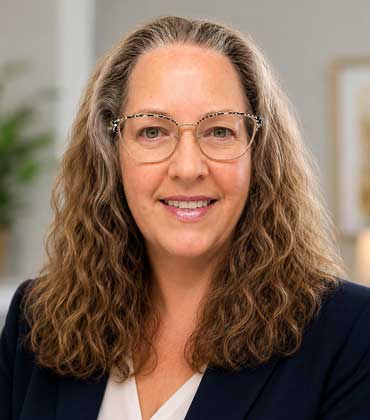
Cassandra Dornhecker
People are the Foundation of HR Strategy
With 17 years of experience in human resources leadership, I have learned that the most effective HR strategies begin with understanding people. Policies, processes and business objectives are important, but at the center of every successful organization are employees who want to feel valued, respected and supported. My approach to HR has always been grounded in the belief that when we take care of our people, we create a stronger foundation for business success.
Over the years, my leadership philosophy has evolved through experience, challenges and the relationships I have built along the way. I believe HR should be more than a support function; it should be a strategic partner that helps organizations grow while creating an environment where employees can thrive. To me, effective people strategies require a balance of business insight and genuine compassion. That means listening to employees, understanding leadership priorities and making thoughtful decisions that support both individual development and organizational goals. I have learned that sometimes the most meaningful impact comes from taking the time to listen, having an honest conversation or helping someone see a path forward when they feel uncertain.
The Employee Journey Begins with Recruitment
Recruitment and onboarding are often an employee's first impression of an organization, and I believe that experience matters. Building strong recruiting and onboarding systems means creating a process that is consistent, welcoming and supportive from the very beginning. I also believe that retaining talented employees requires looking beyond the hiring process. Employees want opportunities to grow, want leaders who recognize their contributions and a workplace where they feel they belong. Encouraging internal career advancement, providing meaningful feedback and investing in professional development can help build loyalty and strengthen retention. When people feel that their organization is genuinely invested in their success, they are more likely to invest in the organization's future.
"When we take care of our people, we create a stronger foundation for business success."
Compliance with a Human Touch
Managing HR across multiple states adds another layer of responsibility. Employment laws, workplace requirements and regulatory expectations can vary, making it essential to maintain current policies, conduct regular reviews and partner with legal and business leaders when necessary. HR leaders must protect the organization while ensuring employees understand their rights, responsibilities and available resources. Clear communication, fairness and consistency help build trust, particularly when difficult decisions must be made. My goal has always been to find practical solutions that meet business and legal requirements without losing sight of the human impact.
Where Workforce Planning Meets Business Strategy
My experience in compensation, benefits and workforce planning has reinforced the importance of making decisions that support both organizational sustainability and employee well-being. Compensation should be fair and competitive; benefits should address employees' needs and workforce planning should prepare the organization for future opportunities and challenges. These decisions require data, careful planning and an understanding of the business. They also require empathy. Behind every compensation discussion or staffing decision is a person whose livelihood and future may be affected. By combining thoughtful analysis with a people-centered perspective, HR can help organizations manage resources responsibly while creating an environment where employees feel appreciated and supported.
Growth Demands Leadership and Trust
Periods of growth can bring exciting opportunities, but they can also create uncertainty. During these times, HR leaders play an important role in maintaining communication, developing capable leaders and helping employees navigate change. I believe strong leadership begins with listening, accountability and the willingness to lead by example. Developing managers who communicate openly, recognize their teams and approach challenges with empathy can have a lasting impact on engagement and organizational effectiveness. Employees need to understand not only where the organization is going, but also how their work contributes to that vision.
Ultimately, my years in HR have taught me that leadership is about more than solving problems or meeting objectives. It is about building relationships, earning trust and helping people succeed. Business results matter, but so does how we achieve them. I believe the strongest organizations are those that recognize the value of their people and lead with both purpose and compassion. For me, that is the heart of human resources: bringing the needs of people and the goals of the business together to create lasting success.
The articles from these contributors are based on their personal expertise and viewpoints, and do not necessarily reflect the opinions of their employers or affiliated organizations.

Be first to read the latest tech news, Industry Leader's Insights, and CIO interviews of medium and large enterprises exclusively from Manage HR Magazine
