
A featured contribution from Leadership Perspectives: a curated forum reserved for leaders nominated by our subscribers and vetted by the Manage HR Advisory Board.

Enbridge
Building Leadership Systems that Last
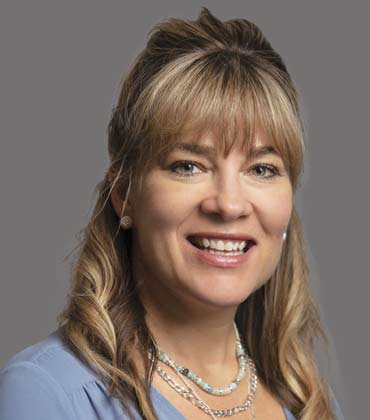
Susan Manning
Susan Manning is the head of learning, leadership and culture at Enbridge. As a senior leader in leadership and organizational development, she specializes in leadership development, coaching and organizational culture. She aligns people strategies with business goals to build high-performing, future-ready teams.
Organizations invest heavily in developing leaders, but Susan Manning believes lasting competitive advantage comes from developing something bigger: the leadership ecosystem. As Head of Learning, Leadership and Culture at Enbridge, she is bringing leadership, learning, coaching and culture together through an integrated strategy that strengthens organizational capability while preparing the company and its people for the future.
Manning’s perspective on leadership has evolved significantly throughout her career. Early on, she focused on helping individual leaders recognize and build on their strengths so they could be more effective in their roles. Over time, that work expanded to developing high-performing teams before evolving into a broader focus on the leadership ecosystem itself— where leadership, learning, coaching and culture work together to enable organizational success. Today, she believes lasting performance depends not only on capable leaders but on creating an environment that helps people continuously learn, grow and adapt.
That broader perspective has shaped Enbridge’s approach to developing its workforce. Rather than treating leadership development, learning and culture as separate priorities, the company has integrated them into a single strategy aligned with its business objectives. Defining what high performance looks like helps identify the capabilities employees need today while preparing them for future business demands.
Learning is embedded into everyday work through timely coaching and development, giving leaders practical support when challenges arise instead of relying solely on scheduled training. By making development continuous and closely connected to business priorities, Enbridge is building a workforce equipped to adapt as both the organization and the industry evolve.
Creating the Conditions for High Performance
As leadership expectations continue to evolve, Manning believes the greatest impact comes from enabling others to succeed rather than simply directing them. Creating an environment where people feel empowered to contribute ideas, develop new capabilities and perform at their best has become one of leadership’s most important responsibilities.
“ My view of leadership has evolved from focusing mainly on individual leadership capability to looking more closely at the patterns of behaviour that help or hinder performance. The opportunity now is to help leaders see those patterns more clearly, so they can shape the conditions that enable the whole system—and the people working within it—to perform better together. “
Building that environment requires leaders who are inclusive, adaptable and committed to helping others grow. Encouraging diverse perspectives and meaningful collaboration allows teams to solve problems more effectively while driving innovation. Leaders help employees recognize their strengths, connect with meaningful work and understand how their contributions support organizational goals. When people feel valued and connected to a shared purpose, engagement and performance naturally improve.
Creating a high-performing culture also depends on psychological safety. Manning believes resilience grows when employees feel comfortable speaking up, asking questions and exploring new ideas without fear of failure. For an organization like Enbridge, maintaining safe and reliable operations will always remain the highest priority. Creating space for continuous learning and thoughtful experimentation helps teams become more adaptable without compromising safe, reliable operations.
Coaching has become one of Enbridge’s strongest tools for building organizational resilience. The company has invested in developing coaching capabilities at every level of leadership, from frontline supervisors to executive leaders, encouraging leaders to ask thoughtful questions, develop the strengths of their teams and build employees’ confidence in solving challenges independently rather than simply providing answers.
Embedding coaching into everyday leadership not only strengthens individual capability but also supports succession by developing leaders who empower others, foster adaptability and build teams equipped to navigate change. In doing so, Enbridge is creating a continuous pipeline of capable leaders while strengthening the confidence and capabilities of employees across the organization.
Culture underpins all of these efforts. Manning believes leaders shape culture through their everyday decisions, behaviors and interactions, making leadership, culture and talent inseparable. Bringing these areas together under a single enterprise strategy creates stronger alignment across the organization while creating a workplace where people continue learning, collaborating and delivering stronger business outcomes.
Preparing Enbridge for the Future
Preparing people for the future requires looking beyond today’s leadership challenges and anticipating how work is changing. Manning believes AI can make learning and leadership development more accessible, personalized and effective by providing timely guidance that strengthens—not replaces— human leadership. AI-powered coaching can help leaders prepare for difficult conversations, strengthen decision making and navigate unfamiliar situations with greater confidence, giving employees practical support exactly when they need it. By making learning part of everyday leadership rather than a scheduled event, AI can help people build new skills more quickly and apply them in real time as business needs evolve.
Leadership itself is also changing. Future leaders will likely oversee teams that include both people and AI-enabled tools, making AI literacy, adaptability and critical thinking increasingly important. Helping employees understand how technology can enhance productivity while continuing to strengthen human relationships will be essential as organizations adapt to new ways of working.
Despite these technological advances, Manning believes the qualities that define exceptional leadership remain deeply human. Empathy, curiosity and a genuine commitment to helping others succeed continue to distinguish leaders who build engaged, high-performing teams. Equally important is the ability to think critically, consider different perspectives and make thoughtful decisions in increasingly complex business environments.
Reflecting on her own journey, Manning encourages emerging HR and learning professionals to stay curious, keep developing their expertise and remain closely connected to business strategy. Many of Enbridge’s leadership and culture initiatives grew by listening carefully to the organization’s evolving needs, learning from what worked and building on those successes over time.
Keeping Enbridge ahead ultimately means building an organization that continuously learns and adapts. By aligning leadership development, learning, coaching and culture under a shared strategy, Manning is creating the conditions where people are equipped to adapt, innovate and perform in a rapidly changing business environment. In doing so, she is demonstrating that an organization’s greatest competitive advantage is not a single leader, but a leadership system that enables people to succeed together.
The articles from these contributors are based on their personal expertise and viewpoints, and do not necessarily reflect the opinions of their employers or affiliated organizations.

Be first to read the latest tech news, Industry Leader's Insights, and CIO interviews of medium and large enterprises exclusively from Manage HR Magazine
