
A featured contribution from Leadership Perspectives: a curated forum reserved for leaders nominated by our subscribers and vetted by the Manage HR Advisory Board.

The Armstrong Company
Elevating Corporate Relocation in a Changing World
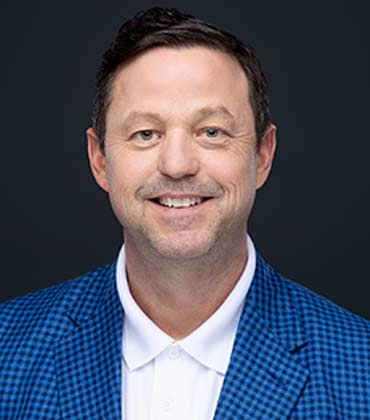
Bruce W. Waller
Bruce serves as the Vice President of Corporate Relocation for The Armstrong Company in Dallas, Texas since 2004 and specializes in helping HR and Mobility professionals navigate the complex world of employee relocation and transportation services. In addition to his corporate role, Waller is deeply involved in volunteer leadership and is the author of four influential leadership books, including Find Your Lane, recognized by BookAuthority as one of the Top 100 Career Change Books of all time. His latest book, Drive with Purpose, soared to become a #1 New Release Best Seller. He is the recipient of several awards including The Stewardship Award from UniGroup, Top 100 Global Mobility’s Most Admired Service Providers and he’s a five-time recipient of The Armstrong Company Presidents Club Award.
The Human Side of Successful Relocations
As Vice President of Corporate Relocation based in Dallas, Texas, I have the privilege of serving both our external clients and internal teams. Externally, I partner with HR and talent leaders to advise on relocation strategy, policy development and best practices that enhance the employee experience during transitions. My focus is on creating seamless, people-centered relocation experiences—from the initial survey to destination services—often meeting with candidates and their families to ensure a smooth journey. Internally, I collaborate closely with our customer service and operations teams to align on process improvements and ensure we deliver consistent, high-quality service. I’m also actively engaged in both HR and mobility industry associations, which helps me stay connected to emerging trends and bring fresh insights to our clients and team.
In today’s global workforce, managing international relocations comes with complex challenges—particularly around compliance, taxation, immigration and cultural adaptation. Every country has unique laws and regulations, which makes it essential for organizations to partner with experienced relocation providers who can help navigate these requirements and ensure a smooth, compliant transition. Employees and their families often need support in key areas such as immigration processing, destination services and household goods movement. But beyond logistics, success hinges on personal connection, helping families find housing, schools, healthcare and, importantly, a sense of community. Studies consistently show that failed international assignments often stem from the family’s inability to adjust. That’s why understanding the full scope of their needs, not just the move itself, but the life that follows is critical. At the heart of it, our role is to serve as a trusted partner, bringing expertise, empathy and resources to help companies support their talent while reducing risk and elevating the overall experience.
Supporting Talent While Advancing Budget Goals and ESG
The key to an effective relocation program is striking the right balance between cost efficiency and a personalized employee experience—especially when supporting highvalue talent. One approach gaining traction is the “managed cap” model, which empowers employees to select the services that best fit their individual needs within a defined budget. This flexibility not only enhances the employee experience by offering choice and control, but it also gives HR and mobility leaders a clearer framework for managing costs and ensuring consistency across the program. Ultimately, it’s about creating a relocation strategy that supports talent while remaining aligned with organizational goals.
“Every relocation is unique, but they all share the same goal, that is, to manage costs, deliver a great experience and ensure a smooth transition”
Sustainability is no longer a “nice-to-have”—it’s a critical component of responsible corporate relocation. At Armstrong, we view environmental stewardship not just as a responsibility, but as a core part of our mission. We recognize the importance of reducing our environmental impact through thoughtful, measurable actions. We’ve taken several key steps to embed sustainability into our operations, including: Replacing paper files with fully digital systems to reduce waste - Recycling packing materials and cardboard at our locations and using reusable plastic crates instead of cardboard for facility moves to name a few. As environmental expectations rise, we’re committed to staying ahead—supporting our clients’ ESG goals and helping lead the industry toward a more sustainable future.
Giving H.O.P.E. Through Relocation
Corporate Relocation has led me to the most incredible career—one built on the opportunity to support mobility leaders and candidates during both exciting and often stressful transitions in their lives. While relocation can be challenging, it has given me the chance to live out my purpose too: to give H.O.P.E.—Help Other People Everyday.
It doesn’t matter if you’re moving five families or five hundred—each one is important. Every relocation is unique, but they all share the same goal, that is, to manage costs, deliver a great experience and ensure a smooth transition. That perspective keeps me grounded and reminds me why this work matters.
Whether it’s navigating the complexities of a relocation or simply reassuring someone that it’s going to be okay, I’m honored to be part of the journey and I look forward to what’s ahead as we continue to move forward together.
Embedding Agility in Every Step of the Relocation Journey
Relocation is never a one-size-fits-all solution. My first piece of advice to HR and mobility leaders is to start by defining what success looks like and make sure it aligns with your company’s culture, talent strategy and business goals. The world of work is evolving and so are employee expectations and organizational needs. Bring together a cross-functional team of stakeholders to help shape the program with a shared vision. Include a relocation expert to provide insight into current trends, compliance and best practices. Consider designing a flexible, multi-tiered policy that can support various employee levels—from early-career talent to senior executives—while maintaining consistency and cost control. Finally, stay active in your regional and national HR and Mobility associations. Being engaged in the industry keeps you informed, connected and better equipped to adapt as the future of work—and relocation—continues to evolve.
The articles from these contributors are based on their personal expertise and viewpoints, and do not necessarily reflect the opinions of their employers or affiliated organizations.

Be first to read the latest tech news, Industry Leader's Insights, and CIO interviews of medium and large enterprises exclusively from Manage HR Magazine
