
A featured contribution from Leadership Perspectives: a curated forum reserved for leaders nominated by our subscribers and vetted by the Manage HR Advisory Board.

Rogers Electric
Building People, Building Business: My Journey in Human Resources
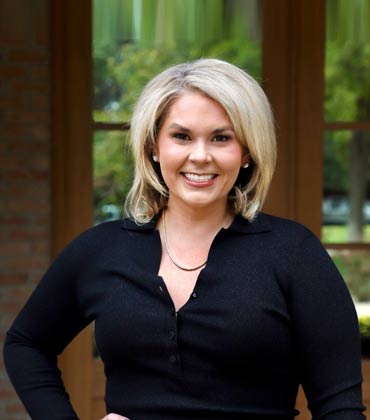
Bonnie Hill
My journey into Human Resources began right out of college in third-party recruiting. I spent several years in that space and learned a great deal, but ultimately realized it wasn’t where my passion truly lived. That realization led me to the nonprofit sector, where I spent seven years wearing many hats, as most nonprofit professionals do.
Those years were incredibly formative. They taught me that I truly love people. Whether I was hiring, coaching, redirecting, developing or helping individuals through our programs, I found fulfillment in supporting people and helping them grow. There, I discovered that HR isn’t just about policies and procedures; it’s about relationships, trust and creating opportunities for people to succeed.
I eventually returned to the corporate world and joined Rogers Electric, where I have now spent more than ten years. While the industries I’ve worked in have varied, one thing has remained constant: people are people. Regardless of the business, people want to be heard. They want to be respected. They don’t want to be talked down to or managed through authority alone. They want leaders who listen, communicate and genuinely care about their success.
I have also been fortunate to have exceptional mentors throughout my career. Their guidance, leadership and willingness to invest in me have shaped the leader I am today. They taught me the importance of balancing business results with humanity and have reinforced my belief that leadership is ultimately about serving others.
One of the most important lessons I’ve learned is that organizational success and employee well-being are not competing priorities. In fact, the organizations that perform best over the long term are often those that invest most intentionally in their people. My role is to help create an environment where employees feel supported, valued and equipped to do their best work while still achieving business objectives.
That requires listening to feedback, maintaining clear expectations, providing opportunities for growth and making thoughtful decisions that consider both business needs and employee impact. When people understand the ‘why’ behind decisions and feel cared for as individuals, engagement, trust and performance naturally follow.
Like many organizations today, one of our biggest challenges is attracting, developing and retaining talent in an increasingly competitive labor market. In the electrical construction industry, the demand for skilled professionals continues to grow while the available workforce continues to shrink. Addressing this challenge requires a proactive approach.
“Never stop learning. HR continues to evolve and great leaders remain curious, adaptable and committed to growth.”
We’ve focused heavily on improving recruiting processes, reducing hiring cycle times, strengthening employee referral programs, enhancing onboarding experiences and creating clearer career development pathways. We are also investing in leadership development because retention is often directly tied to the employee-manager relationship. Organizations can no longer afford to simply react to vacancies; they must continuously build talent pipelines and create environments where employees want to stay and grow.
My approach to decision-making has evolved significantly throughout my career as well. Early on, I placed a heavy emphasis on technical skills and experience. While those qualities remain important, I’ve learned that character, adaptability, coachability and cultural alignment are often stronger predictors of long-term success.
Today, I balance data with people. Metrics, business outcomes and performance indicators are critical, but so are team dynamics, leadership potential and employee engagement. When building teams, I look for individuals who not only perform at a high level themselves but also elevate those around them. High-performing teams are built through a combination of accountability, collaboration, trust and shared purpose.
For emerging HR professionals aspiring to leadership roles, my advice is simple.
• First, learn the business, not just HR. The most effective HR leaders understand how their organizations operate, how revenue is generated, what challenges leaders face and how people strategies influence business results.
• Second, build credibility through consistency and follow through. Trust is one of the most valuable currencies you’ll have throughout your career.
• Third, don’t be afraid to step outside your comfort zone. Some of the greatest growth opportunities come from taking on projects or responsibilities that stretch your capabilities.
• Finally, never stop learning. HR continues to evolve and great leaders remain curious, adaptable and committed to growth. The ability to balance empathy with accountability will set you apart and allow you to make a meaningful impact on both the business and the people you serve.
At the end of the day, HR is about far more than policies, processes and compliance. It’s about people. When we invest in people, develop leaders and build cultures rooted in trust and respect, both employees and organizations thrive.
The articles from these contributors are based on their personal expertise and viewpoints, and do not necessarily reflect the opinions of their employers or affiliated organizations.

Be first to read the latest tech news, Industry Leader's Insights, and CIO interviews of medium and large enterprises exclusively from Manage HR Magazine
